✓ Over 74 million Americans lack dental insurance.
✓ Dental costs are a primary reason for avoiding necessary care.
✓ Community health centers offer sliding scale fees based on income.
✓ Dental schools provide reduced-cost care with supervision from experienced faculty.
How It Works
1
Assess Your Needs & Budget
Determine the type of dental care you require (preventive, restorative, emergency) and realistically evaluate your financial capacity. This initial assessment guides your search for suitable options.
2
Research Available Programs
Investigate various programs like community clinics, dental schools, and discount plans specific to your region or state. Each option has unique eligibility criteria and cost structures.
3
Compare & Contact Providers
Once you've identified potential providers, contact them directly to confirm services, pricing, and appointment availability. Ask about payment plans or financial assistance programs they might offer.
4
Schedule Your Appointment
After selecting the best fit, schedule your dental visit. Be prepared with any necessary documentation, such as proof of income for sliding scale fees, to ensure a smooth process.
Understanding the Landscape of Affordable Dental Care in the US
Photo: Shedrack Salami / Pexels
Access to quality dental care is a fundamental component of overall health, yet for many Americans, the cost of treatment presents a significant barrier. The United States healthcare system, while advanced, often leaves dental services as a separate, often expensive, entity. Millions of individuals either lack dental insurance entirely or find their existing coverage insufficient to cover essential procedures. This grim reality leads to postponed treatments, worsening conditions, and ultimately, higher costs down the line, not to mention the impact on quality of life and general well-being. Understanding the various avenues available is the first crucial step towards securing affordable dental care options US residents can rely on.
Historically, dental insurance has been distinct from medical insurance, often coming with separate premiums, deductibles, and annual maximums that can quickly be exhausted by even routine procedures. This segmentation means that even those with robust medical coverage might find themselves without adequate dental support. The economic strain is palpable, with many families having to choose between essential dental work and other critical expenses. This article aims to demystify the landscape, offering practical, actionable advice on how to navigate this complex system and find solutions that fit various budgets and needs. We'll delve into a range of options, from government-funded programs to innovative private solutions, ensuring that no one has to forgo necessary dental attention due to financial constraints. The goal is to empower you with the knowledge to make informed decisions and take control of your oral health without enduring financial hardship. It's important to remember that preventive care is often the most cost-effective approach, making early intervention and regular check-ups paramount. Don't wait for a small issue to become a major, expensive problem. Exploring these affordable avenues can save you money and discomfort in the long run. Learn more about preventive health strategies.
Community-Based Solutions and Government Programs
Photo: Gustavo Fring / Pexels
For many seeking truly affordable dental care options US wide, community health centers and government-funded programs represent a vital lifeline. These institutions are often designed to serve low-income individuals, uninsured populations, and those in underserved areas. Community Health Centers (CHCs), also known as Federally Qualified Health Centers (FQHCs), are a cornerstone of this effort. They receive federal funding to provide primary healthcare services, including dental care, regardless of a patient's ability to pay. CHCs typically operate on a sliding scale fee system, meaning the cost of services is adjusted based on your income and family size. This ensures that even individuals with very limited financial resources can access necessary cleanings, fillings, extractions, and other basic dental procedures. Eligibility usually requires proof of income and residency.
Medicaid and the Children's Health Insurance Program (CHIP) are critical government programs that provide comprehensive dental benefits to eligible low-income adults and children, respectively. While Medicaid dental coverage for adults varies significantly by state – some states offer extensive benefits, while others only cover emergency services – CHIP generally provides robust dental coverage for children, including preventive, diagnostic, and restorative care. It's crucial for individuals to check their state's specific Medicaid and CHIP guidelines to understand what services are covered. Veterans can also access dental care through the Department of Veterans Affairs (VA) if they meet specific eligibility criteria, often related to service-connected disabilities or specific health conditions. Additionally, some states operate public health dental clinics directly, offering services at reduced rates or on a sliding scale. These programs are invaluable for bridging the gap in dental access, but they often come with waiting lists due to high demand. Early application and consistent follow-up are recommended to secure an appointment. Understanding these resources is key to navigating the complex world of healthcare affordability. Searching for "community dental clinics near me" or contacting your local health department can help you locate these essential services.
Exploring Alternative Pathways: Dental Schools, Discount Plans, and Clinical Trials
Photo: Duy Tân Đại học / Pexels
Beyond traditional clinics and government programs, several alternative pathways exist for finding affordable dental care options US residents can utilize. One of the most well-known and effective is seeking treatment at a dental school. Dental schools nationwide offer high-quality dental care at significantly reduced costs. Patients are treated by dental students who are closely supervised by experienced, licensed faculty members. This arrangement ensures meticulous attention to detail and adherence to the latest dental practices, often resulting in care that is both thorough and affordable. While appointments might take longer due to the educational aspect, the cost savings can be substantial, making it an excellent option for complex procedures or ongoing care. You can usually find a list of accredited dental schools and their clinics through the American Dental Association (ADA) website.
Another viable option is enrolling in a dental discount plan (also known as a dental savings plan). Unlike traditional insurance, these plans don't involve deductibles, annual maximums, or claims forms. Instead, members pay an annual fee to access a network of dentists who have agreed to provide services at a discounted rate, typically 10% to 60% off standard fees. These plans are often immediate-use, meaning you can start saving right away, and they usually cover a wide range of procedures. They are particularly beneficial for those who need significant work done or who find traditional insurance too expensive or restrictive. It's important to research different plans and their network dentists to ensure they meet your specific needs. Finally, clinical trials for new dental procedures, materials, or medications can sometimes offer free or low-cost treatment. While not for everyone, as they involve experimental treatments and strict eligibility criteria, they can be an option for those open to participating in research. Information on ongoing dental clinical trials can often be found through government health websites like ClinicalTrials.gov. Discover more about innovative medical treatments.
Maximizing Savings: Prevention, Payment Plans, and Negotiation
Photo: Pavel Danilyuk / Pexels
Even with the availability of affordable dental care options US wide, proactive strategies can further reduce your overall dental expenses. The single most impactful way to save money on dental care is through diligent preventive measures. Regular brushing, flossing, and routine check-ups and cleanings can prevent minor issues from escalating into costly, complex problems. Investing in a good electric toothbrush and maintaining consistent oral hygiene habits will pay dividends in the long run. Many of the affordable options discussed previously, such as community clinics and discount plans, often prioritize and offer significant savings on preventive care.
For those facing larger treatment costs, many dental practices offer in-house payment plans. These plans allow you to spread the cost of treatment over several months, often with low or no interest, making expensive procedures more manageable. Don't hesitate to discuss payment options with your dentist's office; they often have solutions to help patients afford necessary care. Additionally, third-party financing options like CareCredit or LendingClub provide specialized healthcare credit cards with promotional interest-free periods or extended payment plans. Always read the terms and conditions carefully before committing to such plans.
Finally, negotiation can sometimes be an option, especially if you are uninsured or facing a large bill. Some private practices may be willing to offer a discount for upfront payment in cash or if you explain your financial hardship. It never hurts to ask politely and clearly state your situation. Be prepared to discuss your budget and what you can realistically afford. While not guaranteed, this approach can sometimes lead to unexpected savings. Combining these strategies – focusing on prevention, exploring flexible payment solutions, and being prepared to negotiate – can significantly reduce the financial burden of dental care and help you maintain a healthy smile without undue stress.
* **Prioritize Prevention:** Regular brushing, flossing, and routine dental check-ups are your best defense against high costs.
* **Inquire About Payment Plans:** Many dental offices offer in-house financing or work with third-party medical credit providers.
* **Negotiate Cash Discounts:** For uninsured patients, some practices may offer a discount for immediate, upfront payment.
* **Utilize HSAs/FSAs:** Health Savings Accounts (HSAs) and Flexible Spending Accounts (FSAs) allow you to use pre-tax dollars for dental expenses, saving you money.
* **Seek Multiple Quotes:** For major procedures, get estimates from several providers to compare costs and ensure fair pricing.
Comparison
Feature
Community Clinics
Dental Schools
Dental Discount Plans
Traditional Insurance
Cost Reduction
Highest (sliding scale)
High (20-50% off)
Medium (10-60% off)
Varies (deductibles, co-pays)
Eligibility
Income-based
Anyone
Anyone (annual fee)
Employer/individual plans
Wait Times
Can be long
Can be longer appointments
Immediate use
Varies
Service Scope
Basic/Essential
Comprehensive
Network-dependent
Policy-dependent
Claim Process
✗
✗
✗
✓
What Readers Say
★★★★★
"Finding affordable dental care options in US seemed impossible until I found my local community health center. They treated my severe toothache on a sliding scale, and the care was excellent. I'm so grateful for their service."
Maria P. · Austin, TX
★★★★★
"The dental school here in Chicago was a game-changer for my root canal. It took a bit longer, but the cost savings were huge, and the supervising dentist was incredibly thorough. Highly recommend for complex work."
David L. · Chicago, IL
★★★★★
"I joined a dental discount plan after losing my job, and it's been a lifesaver. I've saved hundreds on cleanings and a filling this year. It's a fantastic alternative to traditional insurance for affordable dental care options US."
Sarah K. · Phoenix, AZ
★★★★★
"Medicaid covered my children's dental needs completely, which was a huge relief. For myself, finding adult coverage was trickier, but knowing my kids are taken care of is what matters most."
Michael T. · Orlando, FL
★★★★★
"After years of putting off major work due to cost, I found a dentist who offered an interest-free payment plan. This made my veneers finally affordable. Don't be afraid to ask about payment solutions!"
Jessica R. · Seattle, WA
Frequently Asked Questions
What is the most affordable dental care option in the US for someone with no insurance and low income?
For individuals with no insurance and low income, community health centers (Federally Qualified Health Centers) are often the most affordable option. They provide services on a sliding scale based on your income and family size, ensuring care is accessible regardless of your ability to pay. Medicaid may also be an option depending on your state's eligibility requirements.
Are dental discount plans worth it, or is traditional insurance better?
Dental discount plans can be an excellent alternative to traditional insurance, especially if you need immediate care, your employer doesn't offer insurance, or you find insurance premiums too high. They typically have no deductibles, annual maximums, or waiting periods. Traditional insurance might offer broader coverage for very expensive procedures but comes with higher monthly costs and more restrictions. Your best choice depends on your specific needs and budget.
How can I find a dental school clinic near me?
To find a dental school clinic, you can visit the American Dental Association (ADA) website, which often lists accredited dental schools and their associated clinics. Alternatively, a quick online search for "dental schools near [your city/state]" will typically yield results. Contact the clinics directly to inquire about their services, costs, and appointment availability.
Can I negotiate dental costs with a private practice?
Yes, in some cases, you can negotiate dental costs, especially if you are uninsured and paying in cash. Many private practices are willing to offer a discount for upfront payment or may work with you on a payment plan. It's always worth having an open conversation with the office manager or dentist about your financial situation before treatment begins.
What's the difference between Medicaid and CHIP for dental care?
Medicaid provides dental benefits primarily for low-income adults and children, but adult coverage varies significantly by state. Some states offer comprehensive adult dental benefits, while others only cover emergency care. CHIP (Children's Health Insurance Program) specifically covers children from low-income families who don't qualify for Medicaid, and it generally provides extensive dental benefits, including preventive, diagnostic, and restorative services.
Who should consider dental clinical trials for affordable care?
Dental clinical trials are suitable for individuals who are open to receiving experimental treatments for specific dental conditions and who meet strict eligibility criteria. While they can offer free or low-cost care, participants must understand that they are part of a research study, and the outcomes may vary. This option is not for everyone but can be a viable solution for those who qualify and are comfortable with the research process.
Is it safe to get dental work done at a dental school?
Yes, it is generally very safe to get dental work done at a dental school. All procedures are performed by dental students under the direct and close supervision of licensed, experienced faculty members. This ensures that the care provided meets high standards of quality and safety. In fact, the supervision often means multiple sets of eyes are on your case, which can be an advantage.
What emerging trends are making dental care more affordable in the US?
Emerging trends include the growth of teledentistry for initial consultations and follow-ups, which can reduce travel costs and improve access in rural areas. Also, the increasing adoption of dental membership plans directly offered by practices, bypassing insurance companies, is gaining traction. Additionally, greater awareness and advocacy for expanding Medicaid dental benefits for adults are ongoing efforts aimed at improving affordability and access nationwide.
Don't let the cost of care prevent you from maintaining a healthy, confident smile. Explore these affordable dental care options in the US and take the first step towards securing the dental health you deserve. Your journey to a brighter smile starts now.

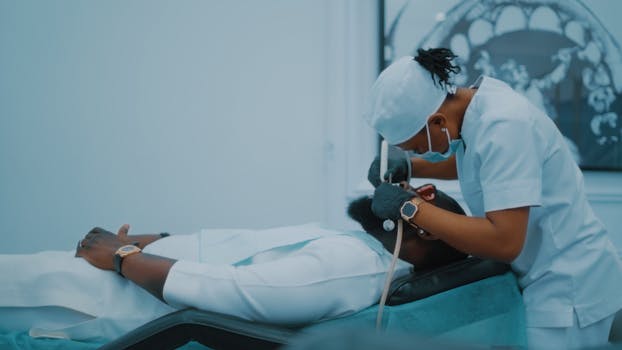 Photo: Shedrack Salami / Pexels
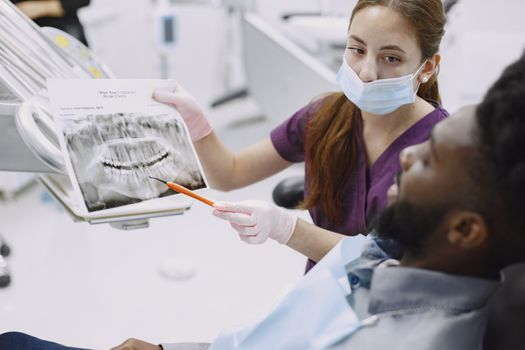 Photo: Gustavo Fring / Pexels
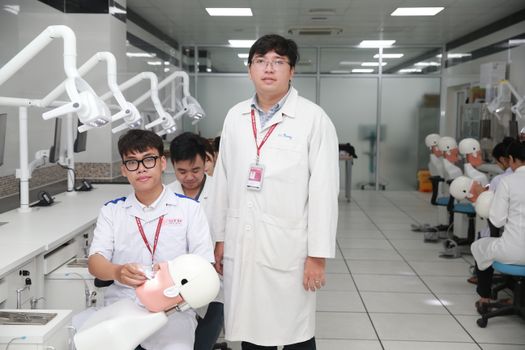 Photo: Duy Tân Đại học / Pexels
 Photo: Pavel Danilyuk / Pexels