Choosing the Best Over The Counter Pain Relievers
best over the counter pain relievers

Choosing the Best Over The Counter Pain Relievers

Navigate the vast world of OTC pain relief to find the safest and most effective solution for your specific needs.

Find Your Relief Now

Key Takeaways

  • ✓ Over-the-counter (OTC) pain relievers are broadly categorized into NSAIDs (e.g., ibuprofen, naproxen) and acetaminophen.
  • ✓ NSAIDs primarily reduce inflammation and pain, while acetaminophen mainly targets pain and fever.
  • ✓ Understanding your pain type (e.g., headache, muscle ache, inflammatory) helps determine the most effective OTC option.
  • ✓ Always read labels carefully to understand dosage, potential side effects, and interactions with other medications.

How It Works

1
Identify Your Pain Type

Determine if your pain is inflammatory (swelling, redness), nerve-related, or general aches. This guides your choice between NSAIDs and acetaminophen.

2
Consider Your Health Profile

Evaluate existing health conditions (e.g., stomach issues, kidney disease, liver problems) and other medications you take. This helps avoid adverse reactions.

3
Select the Right Medication

Based on your pain type and health, choose an appropriate OTC pain reliever. Options include ibuprofen, naproxen, aspirin, or acetaminophen.

4
Adhere to Dosage & Duration

Always follow the recommended dosage and duration on the product label. Exceeding these can lead to serious side effects and health complications.

Understanding Your Pain: A Foundation for Effective Relief

A person with a band aid on their forehead holds their head in pain, eyes closed. Photo: www.kaboompics.com / Pexels
Before you can effectively choose the best over the counter pain relievers, it's crucial to understand the nature of the pain you're experiencing. Pain isn't a monolithic sensation; it varies widely in its origin, character, and intensity. Different types of pain respond best to different types of medication. For instance, a throbbing headache might require a different approach than the dull ache of a sprained ankle or the widespread discomfort of a fever. Generally, pain can be categorized into acute and chronic. Acute pain is sudden, often sharp, and typically doesn't last long. It's usually a warning sign, like the pain from a cut, burn, or a recent injury. Chronic pain, on the other hand, persists for weeks, months, or even years, often beyond the expected healing time. Conditions like arthritis, fibromyalgia, and chronic back pain fall into this category. While OTC pain relievers can offer temporary relief for acute pain and sometimes manage flare-ups of chronic conditions, chronic pain often requires a more comprehensive treatment plan involving a healthcare professional. Furthermore, the source of the pain plays a significant role. Nociceptive pain, the most common type, arises from damage to body tissue (e.g., cuts, bruises, fractures, inflammation). This is the type of pain most effectively targeted by general OTC pain relievers. Neuropathic pain, however, results from damage to the nervous system itself, often described as burning, tingling, or shooting pain. OTC options are generally less effective for neuropathic pain, which might require prescription medications. Inflammatory pain, characterized by swelling, redness, heat, and loss of function, is another specific type. This is where non-steroidal anti-inflammatory drugs (NSAIDs) truly shine. Conditions like arthritis, menstrual cramps, and muscle strains often involve an inflammatory component. By understanding these distinctions, you can make a more informed choice. For example, if your pain is accompanied by significant swelling and is localized to an injury, an NSAID might be your first line of defense. If it's a general ache without clear inflammation, acetaminophen could be more appropriate. Always consider the duration, intensity, and associated symptoms of your pain. If your pain is severe, persistent, or accompanied by alarming symptoms, it's always best to consult a doctor. Self-diagnosis and treatment should be approached with caution, and professional medical advice sought when in doubt. Identifying the root cause of your discomfort is the first and most critical step towards finding effective and safe relief. Learn more about pain management strategies. Another important aspect is the location and spread of pain. Is it localized to a specific area, or is it radiating? Is it constant or intermittent? These details can provide clues about the underlying issue and help guide medication selection. For instance, a localized muscle strain might benefit from a topical pain reliever in conjunction with an oral medication, whereas a widespread headache would typically only require oral medication. Being a good observer of your own body and its signals is paramount when addressing pain. Understanding these nuances empowers you to select the best over the counter pain relievers tailored to your specific situation, maximizing efficacy while minimizing potential risks. Taking a moment to assess these factors before reaching for a bottle can make a significant difference in your pain relief journey.

The Big Two: NSAIDs vs. Acetaminophen

Collection of flu remedies including pills, thermometer, and scarf for winter cold relief. Photo: Gundula Vogel / Pexels
When it comes to the best over the counter pain relievers, two main categories dominate the market: Non-Steroidal Anti-Inflammatory Drugs (NSAIDs) and Acetaminophen. While both are effective at reducing pain and fever, they work through different mechanisms and have distinct benefits and risks. Understanding these differences is crucial for making an informed and safe choice for your pain relief needs. **Non-Steroidal Anti-Inflammatory Drugs (NSAIDs)** This class includes popular medications like ibuprofen (e.g., Advil, Motrin IB), naproxen (e.g., Aleve), and aspirin. NSAIDs work by blocking enzymes called cyclooxygenases (COX-1 and COX-2), which are involved in the production of prostaglandins. Prostaglandins are hormone-like compounds that contribute to pain, inflammation, and fever. By inhibiting their production, NSAIDs effectively reduce inflammation, swelling, and pain. * **Benefits of NSAIDs:** They are particularly effective for pain associated with inflammation, such as arthritis, menstrual cramps, muscle aches, sprains, and headaches. Aspirin, in particular, also has antiplatelet effects, which can be beneficial for cardiovascular health in specific populations, but also increases the risk of bleeding. * **Risks of NSAIDs:** Common side effects include stomach upset, heartburn, and ulcers, especially with prolonged use or high doses. They can also affect kidney function and increase the risk of heart attack or stroke, particularly in individuals with pre-existing cardiovascular conditions. People with a history of stomach ulcers, kidney disease, or bleeding disorders should use NSAIDs with extreme caution or avoid them altogether. **Acetaminophen (e.g., Tylenol)** Acetaminophen, often referred to as paracetamol outside the US, works differently from NSAIDs. Its exact mechanism of action is not fully understood, but it is believed to act primarily in the central nervous system to reduce pain and fever. Unlike NSAIDs, acetaminophen does not have significant anti-inflammatory effects. * **Benefits of Acetaminophen:** It is generally considered safer for the stomach than NSAIDs, making it a good option for individuals with a history of stomach issues. It is also often recommended for pain and fever in children and during pregnancy (under medical guidance). * **Risks of Acetaminophen:** The primary concern with acetaminophen is liver damage, especially when taken in excessive doses or when combined with alcohol. It is crucial not to exceed the recommended daily dose, as liver damage can be severe and even fatal. Many combination cold and flu medications also contain acetaminophen, so it's important to check all labels to avoid accidental overdose. When choosing between an NSAID and acetaminophen, consider the nature of your pain. If inflammation is a significant component, an NSAID might be more effective. If you need pain relief without anti-inflammatory effects, or if you have stomach sensitivities, acetaminophen could be a better choice. Always consult your doctor or pharmacist if you are unsure which medication is right for you, especially if you have underlying health conditions or are taking other medications. Understanding the nuances of these two powerful pain relievers is key to safe and effective self-treatment.

Navigating Specific Pain Types and Choosing Wisely

Close-up of a person holding their knee, highlighting skin texture and striped clothing. Photo: Towfiqu barbhuiya / Pexels
The effectiveness of the best over the counter pain relievers often hinges on matching the medication to the specific type of pain you're experiencing. While general aches and pains might respond to various options, targeted relief requires a more nuanced approach. Understanding which OTC medication is best suited for particular conditions can significantly improve outcomes and reduce the likelihood of ineffective treatment or unnecessary side effects. **Headaches (Tension, Migraine, Cluster):** For common tension headaches, both acetaminophen and NSAIDs like ibuprofen or naproxen are generally effective. Some specialized OTC headache medications combine acetaminophen, aspirin, and caffeine, which can be particularly potent for migraine relief. For true migraines, however, while OTC options can sometimes help mild cases, often prescription medication is needed. Always pay attention to dosage and frequency for headache relief, as overuse can lead to medication overuse headaches. **Muscle Aches, Sprains, and Strains:** These types of pain often involve inflammation, making NSAIDs (ibuprofen, naproxen) particularly effective. They not only reduce the pain but also help to alleviate the underlying inflammation that contributes to discomfort and delayed healing. Topical NSAID gels (like diclofenac gel) can also be highly beneficial for localized muscle pain, providing targeted relief with fewer systemic side effects. Acetaminophen can also reduce the pain component but won't address the inflammation. **Arthritis Pain (Osteoarthritis, Rheumatoid Arthritis):** Chronic joint pain from arthritis often has a significant inflammatory component. NSAIDs are frequently recommended for managing arthritis pain and stiffness. Regular, low-dose naproxen can be a good choice due to its longer duration of action, allowing for less frequent dosing. However, long-term use of NSAIDs requires careful monitoring due to potential gastrointestinal and cardiovascular risks. Acetaminophen can be an alternative for those who cannot tolerate NSAIDs, focusing on pain reduction without the anti-inflammatory benefits. **Menstrual Cramps:** Menstrual cramps are caused by prostaglandins, making NSAIDs exceptionally effective. Ibuprofen and naproxen are often the go-to choices, as they directly inhibit prostaglandin production, reducing both pain and cramping. Taking them at the onset of symptoms, or even just before, can provide the best relief. **Fever:** Both acetaminophen and NSAIDs (ibuprofen, naproxen, aspirin) are effective fever reducers. The choice often comes down to individual preference, potential side effects, and any other co-existing symptoms. For children, ibuprofen and acetaminophen are generally preferred, with aspirin being avoided due to the risk of Reye's syndrome. **Dental Pain:** Dental pain, often involving inflammation, responds well to NSAIDs like ibuprofen. It can help reduce the pain and swelling associated with toothaches, dental procedures, or gum inflammation. Acetaminophen is also an option, particularly if NSAIDs are contraindicated. It’s important to remember that OTC pain relievers are for temporary relief. If your pain is persistent, severe, or worsening, or if you have any doubts about which medication to choose, always consult a healthcare professional. They can provide a proper diagnosis and recommend the most appropriate and safe treatment plan for your specific situation. Understand potential drug interactions. By carefully considering the nature of your pain and your personal health profile, you can make the most effective choice among the best over the counter pain relievers available.

Safe Usage and Common Mistakes to Avoid
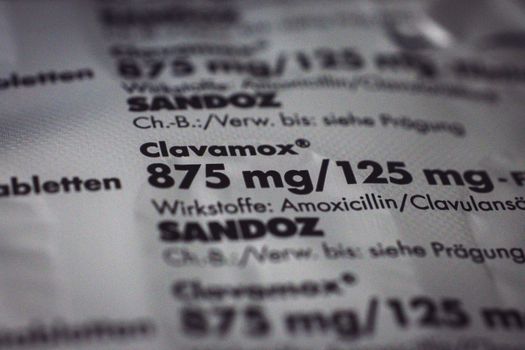
Close-up of a Clavamox package showing dosage and ingredients in focus. Photo: Patrick / Pexels
Even the best over the counter pain relievers, when misused, can lead to serious health complications. Adhering to proper dosage, understanding potential side effects, and being aware of drug interactions are paramount for safe and effective pain management. Many people assume that because a medication is available without a prescription, it is inherently harmless, but this is a dangerous misconception. **Dosage is Key:** Always, always read the label and follow the recommended dosage instructions precisely. Do not take more than the recommended dose, and do not take it more frequently than advised. Exceeding the maximum daily dose for acetaminophen can lead to severe liver damage, while excessive NSAID use can cause gastrointestinal bleeding, kidney problems, and increased cardiovascular risk. More isn't better when it comes to pain relief; it's just more dangerous. **Check Active Ingredients:** A common mistake is unknowingly taking multiple medications that contain the same active ingredient. For example, many cold and flu remedies contain acetaminophen. If you take one of these alongside a standalone acetaminophen product, you could easily exceed the safe daily limit. Always check the 'active ingredients' section on all medications you are taking simultaneously. **Understand Your Body and Health Conditions:** * **NSAIDs:** Individuals with a history of stomach ulcers, gastrointestinal bleeding, kidney disease, heart failure, or those taking blood thinners should be very cautious with NSAIDs or avoid them entirely. * **Acetaminophen:** People with liver disease or those who consume alcohol regularly should avoid or limit acetaminophen. **Avoid Prolonged Use Without Medical Advice:** OTC pain relievers are generally intended for short-term use. If your pain persists for more than a few days (typically 7-10 days for most OTC pain relievers), it's a signal to consult a doctor. Prolonged use can mask a more serious underlying condition and increase the risk of side effects. **Interaction with Other Medications:** OTC pain relievers can interact with prescription drugs. For instance, NSAIDs can interfere with blood pressure medications, diuretics, and blood thinners. Always inform your doctor or pharmacist about all medications, supplements, and herbal remedies you are currently taking before starting a new OTC pain reliever. **Common Mistakes to Avoid:** * **Doubling up:** Taking two different brands with the same active ingredient. * **Ignoring alcohol warnings:** Combining alcohol with acetaminophen significantly increases liver toxicity risk. * **Taking expired medication:** Efficacy may be reduced, and chemical composition could change. * **Using adult doses for children:** Always use pediatric formulations and consult a doctor for appropriate dosing. By being diligent and informed, you can safely and effectively utilize the best over the counter pain relievers to manage your discomfort while minimizing risks to your health. When in doubt, always err on the side of caution and consult a healthcare professional.

Comparison

FeatureAcetaminophen (Tylenol)Ibuprofen (Advil/Motrin)Naproxen (Aleve)
Primary ActionPain & Fever ReductionPain, Fever, InflammationPain, Fever, Inflammation
Anti-inflammatory?
Onset of Action30-60 min30-60 min60-90 min
Duration of Action4-6 hours4-6 hours8-12 hours
Stomach Friendly?Generally YesNo (can cause irritation)No (can cause irritation)
Liver Risk (High Dose)
Kidney Risk (High Dose)
Cardiovascular Risk

What Readers Say

"I used to suffer from terrible tension headaches, but after reading up on the best over the counter pain relievers, I switched to an NSAID and it's made a huge difference. The relief is quicker and lasts longer than what I was using before."

Sarah J. · Austin, TX

"For my chronic back pain flare-ups, naproxen has been a lifesaver. It works for a longer period, so I don't have to take it as often, which is exactly what I need from the best over the counter pain relievers."

Mark T. · Chicago, IL

"After a minor sports injury, I followed the advice to use an anti-inflammatory and saw significant reduction in swelling and pain within a day. Knowing which of the best over the counter pain relievers to pick for inflammation was key."

Emily R. · Denver, CO

"I've always been careful with medication due to a sensitive stomach. Acetaminophen is my go-to for general aches and fever, and while it doesn't always tackle my worst pains, it's reliable and doesn't upset my stomach."

David L. · Miami, FL

"For my monthly cramps, ibuprofen is the absolute best over the counter pain reliever. Taking it early makes a world of difference, allowing me to function normally without debilitating pain."

Jessica M. · Seattle, WA

Frequently Asked Questions

What is the strongest over the counter pain reliever?

The 'strongest' often depends on the type of pain. For inflammatory pain, NSAIDs like ibuprofen or naproxen are highly effective. For general pain and fever without inflammation, acetaminophen is a powerful option. It's crucial to choose based on your pain type and individual health rather than perceived strength.

Can I take ibuprofen and acetaminophen together?

Yes, generally it is safe to alternate or take ibuprofen and acetaminophen together, as they work differently and are metabolized by different organs. However, it's essential to stick to the recommended dosages for each medication and consult a healthcare professional if you have underlying health conditions or are taking other medications.

How do I choose between an NSAID and acetaminophen?

Choose an NSAID (like ibuprofen or naproxen) if your pain involves inflammation (swelling, redness, stiffness), such as arthritis, sprains, or menstrual cramps. Opt for acetaminophen if you need pain and fever relief without anti-inflammatory effects, or if you have stomach issues, kidney problems, or are on blood thinners, as NSAIDs can exacerbate these conditions.

Are generic brands of over-the-counter pain relievers as effective as brand names?

Yes, generic brands of over-the-counter pain relievers are typically just as effective as their brand-name counterparts. They contain the same active ingredients in the same dosage and form, and must meet the same strict quality and effectiveness standards set by the FDA. Choosing generic options can often save you money without compromising on relief.

What are the long-term risks of using OTC pain relievers?

Long-term use of NSAIDs can increase risks of gastrointestinal issues (ulcers, bleeding), kidney damage, and cardiovascular problems (heart attack, stroke). Prolonged or excessive use of acetaminophen can lead to severe liver damage. It's crucial to use these medications for the shortest duration and at the lowest effective dose, and to consult a doctor for chronic pain.

Who should avoid certain over the counter pain relievers?

Individuals with a history of stomach ulcers, kidney disease, heart conditions, or those taking blood thinners should generally avoid NSAIDs or use them with extreme caution under medical supervision. People with liver disease or those who consume significant alcohol should be very careful with acetaminophen. Always consult a doctor if you have pre-existing conditions.

Is it safe to use topical pain relievers instead of oral ones?

Topical pain relievers (creams, gels, patches) can be a safe and effective alternative or complement to oral medications, especially for localized muscle or joint pain. They deliver medication directly to the affected area, often resulting in fewer systemic side effects. However, they may not be as effective for widespread or deep-seated pain.

What new developments are there in over the counter pain relief?

Recent developments include more targeted topical formulations, combinations of active ingredients for specific pain types (e.g., migraine relief), and a greater emphasis on understanding genetic responses to pain medication. Research continues into non-pharmacological alternatives and safer, more effective compounds, though major breakthroughs in the core OTC categories are less frequent than in prescription drugs.

By understanding the different types of pain and the mechanisms of the best over the counter pain relievers, you can make informed choices for your health. Always prioritize safe usage, read labels, and consult a healthcare professional if your pain persists or if you have any concerns about medication interactions or underlying conditions.

Topics: best over the counter pain relieversOTC pain medicationpain relief optionsNSAIDsacetaminophen
Leo List
Brampton weed
Adultwork EstrelaBet Vai de Bet R7 Bet Betão Galera Bet Rainbet Bet9ja Shop SportyBet BetKing Sisal Loto Foot Hollywoodbets YesPlay Odibets RushBet Jugabet BetWarrior BetCity MSport betPawa Fortebet