Discover the Best Over the Counter Pain Relievers
best over the counter pain relievers

Discover the Best Over the Counter Pain Relievers

Unlock effective relief from everyday aches and pains with our comprehensive guide to OTC medications.

Find Your Relief Now

Key Takeaways

  • ✓ Acetaminophen (Tylenol) works differently than NSAIDs, primarily reducing fever and pain.
  • ✓ NSAIDs (ibuprofen, naproxen) reduce inflammation, pain, and fever.
  • ✓ Topical pain relievers offer localized relief with fewer systemic side effects.
  • ✓ Always read labels and consult a doctor, especially if you have underlying health conditions.

How It Works

1
Identify Your Pain Type

Determine if your pain is inflammatory (e.g., muscle strain, arthritis) or non-inflammatory (e.g., headache, fever). This helps in choosing the right medication.

2
Choose the Right Class

Select between Acetaminophen for general pain/fever or NSAIDs for inflammatory pain. Consider topical options for localized relief.

3
Check for Contraindications

Review warnings for potential interactions with other medications or existing health conditions. Always consult a pharmacist or doctor if unsure.

4
Follow Dosage Instructions

Adhere strictly to the recommended dosage and frequency on the label. Never exceed the maximum daily dose to avoid serious side effects.

Understanding Your Pain: A Guide to OTC Relief Options

Person holding a blister pack of green tablets, focusing on healthcare and treatment. Photo: cottonbro studio / Pexels
Navigating the vast array of over-the-counter (OTC) pain relievers can feel overwhelming, especially when you're already in discomfort. The key to effective relief lies in understanding the different types of pain and how various medications work to alleviate them. Generally, pain can be categorized into acute (sudden, short-term) or chronic (long-lasting), and its origin can be inflammatory, neuropathic, or nociceptive. Most common everyday aches and pains, such as headaches, muscle strains, menstrual cramps, and minor arthritis, fall within the scope of what OTC medications can effectively manage. When seeking the best over the counter pain relievers, it's crucial to consider the nature of your pain. Is it accompanied by swelling and redness, suggesting inflammation? Or is it a dull, throbbing ache without obvious signs of inflammation? This distinction is vital because different classes of pain relievers target different pain pathways. For instance, Nonsteroidal Anti-inflammatory Drugs (NSAIDs) are excellent for inflammatory pain, while acetaminophen is often preferred for general pain and fever reduction without significant anti-inflammatory effects. Understanding these nuances empowers you to make an informed choice, leading to faster and more targeted relief. Beyond the chemical compounds, formulation also plays a role. Some pain relievers come in immediate-release tablets, while others offer extended-release options for longer-lasting relief. Topical creams and gels provide localized treatment, which can be particularly beneficial for muscle aches and joint pain, minimizing systemic exposure. This personalized approach to pain management ensures you're not just taking 'a pain pill,' but rather the right pain pill for your specific symptoms. Always remember that while OTC medications are readily available, they are still powerful drugs that require careful use. Consulting a healthcare professional or pharmacist can provide tailored advice, especially if you have underlying health conditions or are taking other medications. Being proactive in understanding your pain and its potential treatments is the first step towards feeling better. Learn more about pain management strategies.

The Powerhouses: Acetaminophen vs. NSAIDs

A detailed close-up of vibrant neon pink pills spread on a white table surface. Photo: Castorly Stock / Pexels
When discussing the best over the counter pain relievers, the conversation invariably centers around two primary categories: acetaminophen and Nonsteroidal Anti-inflammatory Drugs (NSAIDs). While both are highly effective at reducing pain and fever, they operate through different mechanisms and have distinct benefits and risks. Acetaminophen, commonly known by its brand name Tylenol, works primarily in the brain to block pain signals and reduce fever. Its exact mechanism isn't fully understood, but it's believed to inhibit prostaglandin synthesis in the central nervous system, which plays a role in pain and fever. A significant advantage of acetaminophen is its generally good safety profile for the stomach, making it a preferred choice for individuals with a history of ulcers or those who cannot tolerate NSAIDs. However, excessive doses can lead to severe liver damage, so strict adherence to dosage instructions is paramount. It does not reduce inflammation, making it less effective for conditions where swelling is a primary concern. On the other hand, NSAIDs, which include ibuprofen (Advil, Motrin) and naproxen sodium (Aleve), work by inhibiting enzymes called cyclooxygenases (COX-1 and COX-2). These enzymes are responsible for producing prostaglandins, chemicals that promote inflammation, pain, and fever. By blocking prostaglandin production, NSAIDs effectively reduce all three. This anti-inflammatory action makes NSAIDs particularly effective for conditions like arthritis, muscle strains, sprains, and menstrual cramps. However, NSAIDs can carry risks, especially with prolonged use or high doses. They can irritate the stomach lining, potentially leading to ulcers or gastrointestinal bleeding. They can also affect kidney function and increase the risk of cardiovascular events in some individuals. Due to these potential side effects, it's crucial to use the lowest effective dose for the shortest possible duration. The choice between acetaminophen and NSAIDs often depends on the type of pain and individual health factors. For general aches and fever without inflammation, acetaminophen is a solid choice. For inflammatory pain, NSAIDs are often more effective. Always consider your health history and consult with a healthcare provider or pharmacist to determine the most appropriate option for your specific needs.

Beyond Pills: Topical and Combination Pain Relievers

Person applying hemp-infused cream with packaging visible, promoting skincare benefits. Photo: RR Medicinals / Pexels
While oral medications like acetaminophen and NSAIDs are widely used, the landscape of the best over the counter pain relievers also includes effective topical solutions and combination products. These alternatives offer unique benefits, particularly for specific types of pain or for individuals seeking to minimize systemic side effects. Topical pain relievers come in various forms, including creams, gels, patches, and sprays. Many of these products contain NSAIDs (like diclofenac gel), salicylates (similar to aspirin), capsaicin, or counterirritants like menthol and camphor. They work by delivering the active ingredient directly to the site of pain, such as a sore muscle or an arthritic joint, providing localized relief. This targeted approach means less medication is absorbed into the bloodstream, which can reduce the risk of systemic side effects often associated with oral pain relievers. Topical NSAIDs, for instance, can be highly effective for localized joint pain, offering comparable relief to oral NSAIDs for some conditions but with a lower risk of gastrointestinal issues. Capsaicin creams, derived from chili peppers, work by depleting substance P, a neurotransmitter involved in transmitting pain signals, offering a different mechanism of action for chronic localized pain. Counterirritants create a cooling or warming sensation that distracts from the pain. These are excellent choices for muscle aches, sprains, and minor arthritis, offering a convenient and often safer option for many. Furthermore, combination pain relievers combine different active ingredients to tackle pain through multiple pathways. A common example is a product containing acetaminophen and an NSAID, or acetaminophen with caffeine. Caffeine is known to enhance the pain-relieving effects of both acetaminophen and NSAIDs, particularly for headaches. Some products also combine a pain reliever with an antihistamine, like diphenhydramine, to aid sleep when pain is disrupting rest. While these combinations can be highly effective, it's essential to be aware of all active ingredients to avoid accidental overdose or adverse interactions. Always check labels carefully, especially if you're taking other medications. The judicious use of topical and combination pain relievers can significantly broaden your options for effective pain management, offering tailored solutions for diverse needs. Explore natural pain relief alternatives.

Smart Choices: Tips for Safe and Effective OTC Pain Relief
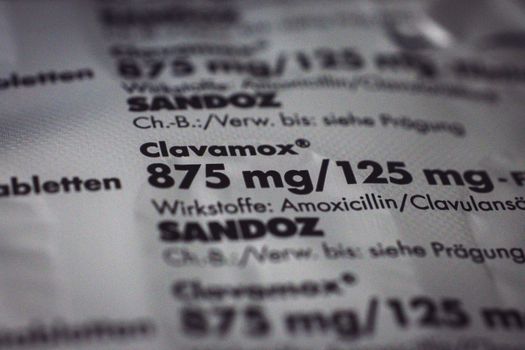
Close-up of a Clavamox package showing dosage and ingredients in focus. Photo: Patrick / Pexels
Choosing the best over the counter pain relievers is just the first step; using them safely and effectively is equally important. Here are some crucial tips and common mistakes to avoid to ensure you get the most out of your chosen medication without unnecessary risks: * **Always Read the Label:** This cannot be stressed enough. Labels contain vital information about active ingredients, dosage, frequency, warnings, and potential drug interactions. Don't assume you know the instructions, especially if you're trying a new product or a different brand. * **Know Your Active Ingredients:** Many OTC products contain the same active ingredients under different brand names. Taking multiple medications with the same active ingredient (e.g., ibuprofen for pain and ibuprofen in a cold medicine) can lead to accidental overdose. Always check the active ingredient list. * **Adhere to Dosage and Frequency:** Never exceed the recommended dose or take the medication more frequently than advised. More is not better when it comes to pain relievers; it significantly increases the risk of side effects, including liver damage (acetaminophen) or gastrointestinal bleeding (NSAIDs). * **Be Aware of Interactions:** OTC pain relievers can interact with prescription medications, other OTC drugs, and even supplements. For example, NSAIDs can interact with blood thinners, increasing bleeding risk. If you're on other medications, consult your doctor or pharmacist. * **Consider Your Health Conditions:** Certain health conditions may make some pain relievers unsafe. Individuals with kidney disease, heart conditions, high blood pressure, or a history of ulcers should be cautious with NSAIDs. Those with liver disease should be careful with acetaminophen. Always disclose your health history to your doctor. * **Don't Mask Serious Pain:** While OTC pain relievers are excellent for minor aches, persistent or severe pain could indicate a more serious underlying issue. If your pain doesn't improve or worsens, seek medical attention rather than continuously increasing your dosage. * **Understand the Duration of Use:** OTC pain relievers are generally intended for short-term use. Prolonged use without medical supervision can lead to increased risks and potential dependency or worsening of conditions. **Common Mistakes to Avoid:** * **Taking multiple products with the same active ingredient.** * **Ignoring dosage limits, thinking more will work faster or better.** * **Using expired medications.** * **Not considering your medical history before choosing a pain reliever.** * **Mixing alcohol with pain relievers, especially acetaminophen (increased liver risk) and NSAIDs (increased stomach bleeding risk).** By following these guidelines, you can safely and effectively utilize the best over the counter pain relievers to manage your discomfort.

Comparison

FeatureAcetaminophen (e.g., Tylenol)Ibuprofen (e.g., Advil, Motrin)Naproxen Sodium (e.g., Aleve)
Primary ActionPain & Fever ReductionPain, Fever, InflammationPain, Fever, Inflammation
MechanismCentral Nervous SystemCOX-1 & COX-2 InhibitorCOX-1 & COX-2 Inhibitor
Onset of Action30-60 min30-60 min60-90 min
Duration of Relief4-6 hours4-6 hours8-12 hours
Stomach Friendly✓ (generally)✗ (can cause irritation)✗ (can cause irritation)
Liver Risk (High Dose)✗ (low)✗ (low)
Kidney Risk (High Dose)✗ (low)
Good for Inflammation

What Readers Say

"After struggling with menstrual cramps, I found naproxen sodium to be the best over the counter pain reliever. It provides long-lasting relief, letting me get through my day comfortably."

Sarah J. · Austin, TX

"For my tension headaches, a standard dose of ibuprofen always does the trick. It's fast-acting and truly one of the best over the counter pain relievers for everyday aches."

Mark D. · Chicago, IL

"I often get muscle pain after workouts. Using a topical diclofenac gel locally has been a game-changer, giving me targeted relief without upsetting my stomach. Highly recommend for localized pain."

Emily R. · Miami, FL

"Acetaminophen is my go-to for fevers and general body aches. While it doesn't help with inflammation, it's gentle on my stomach and reliably reduces my temperature and discomfort."

David L. · Seattle, WA

"As someone with mild arthritis, I rotate between ibuprofen and naproxen. Both are excellent, but I appreciate the longer relief from naproxen when I need it. These are truly the best over the counter pain relievers for my joint pain."

Jessica M. · Denver, CO

Frequently Asked Questions

What is the safest over-the-counter pain reliever for daily use?

The 'safest' depends on your individual health profile. Generally, acetaminophen is considered safer for the stomach than NSAIDs. However, daily use of any pain reliever, especially long-term, should always be discussed with a doctor due to potential risks to the liver (acetaminophen) or kidneys/stomach (NSAIDs).

Can I take ibuprofen and acetaminophen together?

While not generally recommended to take simultaneously without medical advice, some healthcare providers may suggest alternating doses of ibuprofen and acetaminophen for severe pain or fever. However, never take combination products that contain both without explicit instruction, and always monitor total daily dosages carefully to avoid exceeding limits for either drug.

How do I choose between an NSAID and acetaminophen?

Choose an NSAID (ibuprofen, naproxen) if your pain is accompanied by inflammation, swelling, or redness (e.g., arthritis, sprains, menstrual cramps). Choose acetaminophen (Tylenol) for general pain and fever reduction without significant inflammation, especially if you have stomach sensitivities or are at risk of gastrointestinal issues.

Are generic over-the-counter pain relievers as effective as brand-name ones?

Yes, generic over-the-counter pain relievers are required by the FDA to contain the same active ingredients, in the same strength and dosage form, as their brand-name counterparts. They are therapeutically equivalent and often significantly more affordable, making them an excellent value.

What are the common side effects of OTC pain relievers?

Common side effects for acetaminophen include nausea, stomach pain, and liver damage (at high doses). For NSAIDs, common side effects include stomach upset, heartburn, nausea, and increased risk of ulcers or bleeding. Both can cause allergic reactions in sensitive individuals. Always read the label for a complete list of potential side effects.

Who should avoid certain over-the-counter pain relievers?

Individuals with liver disease or heavy alcohol consumption should avoid acetaminophen. Those with a history of stomach ulcers, kidney disease, heart disease, high blood pressure, or those taking blood thinners should generally avoid or use NSAIDs with extreme caution, and only under medical supervision. Pregnant women should also consult a doctor before taking any pain reliever.

Is it possible to become addicted to over-the-counter pain relievers?

While physical addiction in the same way as opioids is rare with standard OTC pain relievers, psychological dependence can occur with overuse, especially if combined with caffeine or if used to mask chronic pain without addressing the root cause. Overuse can also lead to rebound headaches (medication overuse headaches), particularly with frequent use of headache medications.

Are there any natural alternatives to the best over the counter pain relievers?

Yes, some natural alternatives include turmeric (curcumin) for inflammation, ginger for nausea and anti-inflammatory effects, peppermint oil for tension headaches, and capsaicin cream for localized pain. While these can be helpful for mild discomfort, their efficacy and safety profiles can vary, and they should be discussed with a healthcare provider, especially if you are taking other medications.

Choosing the best over the counter pain relievers requires an understanding of your pain and the medication's mechanism. Armed with this knowledge, you can make informed decisions for effective and safe relief. Always consult a healthcare professional for personalized advice and persistent pain.

Topics: best over the counter pain relieversOTC pain medicationNSAIDsacetaminophenpain relief options
Leo List

IE Escorts NO Escorts US Escorts NZ Escorts AU Escorts
Brampton weed
Adultwork EstrelaBet Vai de Bet R7 Bet Betão Galera Bet Rainbet Bet9ja Shop SportyBet BetKing Sisal Loto Foot Hollywoodbets YesPlay Odibets RushBet Jugabet BetWarrior BetCity MSport betPawa Fortebet