✓ Most patients return home 1-3 days after surgery.
✓ Full recovery can take 6-12 months, but significant improvement is seen within 3 months.
✓ Physical therapy is crucial for regaining strength and mobility.
✓ Adhering to post-operative precautions minimizes risks like dislocation.
How It Works
1
Pre-Surgery Preparation
Before your surgery, you'll meet with your medical team to discuss the procedure, potential risks, and what to expect during recovery. Preparing your home environment for post-operative ease is also vital.
2
Immediate Post-Op Care
Immediately after surgery, you'll be monitored closely in the hospital. Pain management will be a priority, and you'll begin gentle movements and possibly sit up within hours of the procedure.
3
Rehabilitation & Physical Therapy
Physical therapy typically starts the day after surgery and continues for weeks or months. This structured program is essential for regaining strength, range of motion, and learning how to safely perform daily activities.
4
Long-Term Recovery & Lifestyle Adjustments
As you progress, your focus shifts to long-term strengthening and adapting to your new hip. Continued exercise and adherence to medical advice will ensure the best possible outcome and longevity of your implant.
Understanding Your Hip Replacement Surgery Recovery Timeline
Photo: Stéf -b. / Pexels
Embarking on a hip replacement journey can be daunting, but understanding the typical hip replacement surgery recovery time can significantly ease anxieties and set realistic expectations. While every individual's healing process is unique, influenced by factors such as age, overall health, surgical approach, and adherence to rehabilitation, there's a general timeline that most patients follow. The initial phase, immediately post-surgery, focuses on pain management and early mobilization. Within the first 24-48 hours, medical staff will encourage you to sit up, stand, and even take a few steps with assistance. This early movement is critical for preventing complications like blood clots and promoting circulation. Most patients can expect to stay in the hospital for 1 to 3 days, during which time they will receive intensive physical therapy instruction and learn how to safely navigate basic movements like getting in and out of bed or using the restroom. The goal during this period is to ensure you can safely return home or transition to a rehabilitation facility, depending on your individual needs and support system.
The subsequent weeks and months constitute the bulk of your recovery. During the first 6 weeks, the focus remains on pain control, wound care, and adhering strictly to post-operative precautions to prevent dislocation. Physical therapy sessions will become more frequent and challenging, aiming to restore strength, flexibility, and gait. You'll gradually increase your activity levels, but strenuous activities and heavy lifting are typically off-limits. By 3 months post-surgery, many patients experience significant improvements in pain and mobility. They can often walk without assistive devices, resume light daily activities, and even return to a sedentary job. However, it's important to remember that 'significant improvement' doesn't equate to full recovery. The bone around the implant is still healing and strengthening, and muscle regeneration continues. Proper nutrition and rest remain vital during this phase to support ongoing healing. Full recovery, where you can engage in most normal activities, including some recreational sports, can take anywhere from 6 months to a full year. This extended period allows for complete tissue healing, muscle re-education, and adaptation to your new hip. Regular follow-up appointments with your surgeon and continued adherence to your physical therapy regimen are paramount to achieving the best long-term outcome. Patience and consistency are your greatest allies in navigating this extensive recovery journey.
Optimizing Your Total Hip Arthroplasty Recovery
Photo: Towfiqu barbhuiya / Pexels
Achieving an optimal total hip arthroplasty recovery isn't just about waiting; it's about actively participating in your healing process. Proactive measures before and after surgery can significantly impact your hip replacement surgery recovery time and overall outcome. Pre-operative preparation is a foundational step. This includes optimizing your general health – managing chronic conditions like diabetes or high blood pressure, quitting smoking, and achieving a healthy weight. Your surgeon may recommend 'pre-hab' exercises to strengthen muscles around the hip, which can make post-operative recovery smoother. Preparing your home environment is equally crucial; removing tripping hazards, installing grab bars in the bathroom, and arranging frequently used items within easy reach can prevent falls and reduce strain during your initial recovery phase. Having a support system in place – family, friends, or caregivers – is also invaluable for assistance with daily tasks.
Post-operatively, adherence to your medical team's instructions is non-negotiable. Pain management is a cornerstone of effective recovery. Don't hesitate to communicate your pain levels with your nurses and doctors. Uncontrolled pain can hinder your ability to participate in physical therapy, which is detrimental to your progress. Follow your medication schedule diligently. Physical therapy, as mentioned, is paramount. These exercises are specifically designed to restore your range of motion, strengthen the surrounding muscles, and improve your gait. Skipping sessions or not performing exercises as instructed can prolong your recovery and potentially lead to poorer outcomes. Consistency, even when you feel tired or sore, is key. Beyond structured therapy, incorporating gentle, doctor-approved movements into your daily routine, such as short walks, can aid circulation and muscle recovery. However, it's equally important to know when to rest. Overtaxing yourself can lead to inflammation, increased pain, and a slower healing process. Listen to your body and balance activity with adequate rest periods.
Nutrition plays a surprisingly significant role in healing. A diet rich in protein, vitamins (especially C and D), and minerals like calcium can support tissue repair and bone integration. Staying hydrated is also essential. Avoiding alcohol and nicotine, which can impair healing and increase complication risks, is strongly advised. Furthermore, maintaining a positive mental attitude can profoundly influence your recovery. Hip replacement surgery and its recovery can be emotionally challenging, with periods of frustration or discouragement. Seeking support from loved ones, joining support groups, or speaking with a therapist can help you navigate these emotional ups and downs. Remember, your active engagement in all these aspects will directly translate into a more efficient and successful total hip arthroplasty recovery, getting you back to the activities you love sooner and safer.
Navigating Post-Hip Surgery Rehabilitation and Potential Hurdles
Photo: www.kaboompics.com / Pexels
The journey through post-hip surgery rehabilitation is a multi-faceted process, pivotal for a successful hip replacement surgery recovery time. After leaving the hospital, your rehabilitation might continue in an inpatient facility, particularly for older patients or those with complex medical needs, or transition directly to outpatient physical therapy. Outpatient therapy typically involves regular sessions several times a week, complemented by a diligent home exercise program. The exercises will progressively become more challenging, targeting specific muscle groups around the hip to restore strength, endurance, and coordination. Therapists will also guide you on proper body mechanics for daily activities, such as bending, lifting, and climbing stairs, ensuring you protect your new joint.
Despite careful planning, patients may encounter several hurdles during their recovery. One common challenge is managing pain effectively. While significant pain relief is a primary goal of hip replacement, some discomfort, soreness, and even sharp pains can occur, especially with increased activity or during therapy. Open communication with your medical team about your pain levels is essential, allowing them to adjust your pain management strategy as needed. Another potential hurdle is adhering to post-operative precautions. Depending on the surgical approach (anterior, posterior, or lateral), specific movements may be restricted for several weeks to prevent dislocation of the new hip joint. For instance, with a posterior approach, patients are often advised to avoid excessive hip flexion (bending past 90 degrees), internal rotation, and crossing their legs. Non-adherence to these precautions can lead to serious complications and significantly prolong your hip replacement surgery recovery time. Understanding these restrictions and consistently practicing them is crucial, even when you feel stronger.
Swelling and bruising around the surgical site are also normal and can persist for several weeks. Elevating your leg and applying ice packs (as directed by your surgeon) can help reduce these symptoms. Fatigue is another frequently reported issue; your body is working hard to heal, and surgical stress takes a toll. Listen to your body and prioritize rest. Depression or anxiety can also arise during recovery, especially if progress feels slow or if you're experiencing prolonged discomfort. It's important to recognize these feelings and seek support if they become overwhelming. Lastly, complications, though rare, can include infection, blood clots, or nerve damage. Being aware of the signs and symptoms (e.g., fever, increasing redness/swelling, severe calf pain, sudden weakness) and reporting them immediately to your doctor is critical for prompt treatment and preventing further issues. Navigating these potential hurdles requires patience, resilience, and a strong partnership with your healthcare providers.
Essential Tips for a Smoother Hip Replacement Recovery
Photo: Rollz International / Pexels
A smooth hip replacement surgery recovery time isn't just about following instructions; it's about adopting proactive strategies and avoiding common pitfalls. Here are some essential tips to optimize your healing journey:
* **Prepare Your Home Ahead of Time:** This is perhaps one of the most critical steps. Install raised toilet seats, grab bars in the shower, and remove loose rugs or clutter that could cause falls. Arrange your living space so that frequently used items are easily accessible without excessive bending or reaching. Consider a temporary bed downstairs if your bedroom is upstairs. Having a clear, safe path within your home will greatly reduce stress and risk of injury.
* **Adhere to Your Physical Therapy Regimen Diligently:** Your physical therapist is your guide to regaining strength and mobility. Do every exercise as prescribed, even on days you feel tired or sore. Consistency is paramount. Skipping sessions or neglecting your home exercises will inevitably prolong your recovery and may compromise the long-term success of your surgery.
* **Manage Your Pain Effectively:** Don't try to be a hero. Pain management is crucial for allowing you to participate in therapy and rest adequately. Communicate openly with your medical team about your pain levels and any side effects from medication. Staying ahead of the pain often means taking medication as scheduled, rather than waiting for pain to become severe.
* **Prioritize Rest, But Avoid Prolonged Inactivity:** While rest is vital for healing, prolonged sitting or lying down can increase the risk of blood clots and muscle stiffness. Balance rest periods with short, frequent walks and your prescribed exercises. Listen to your body's signals for when to push a little and when to take a break.
* **Stay Hydrated and Maintain a Healthy Diet:** Good nutrition supports tissue repair and overall healing. Focus on a diet rich in protein, fruits, vegetables, and whole grains. Adequate hydration is also essential. Avoid processed foods, excessive sugar, and alcohol, which can hinder the healing process.
* **Wear Loose, Comfortable Clothing:** Tight clothing can be difficult to put on and take off, and may irritate your incision site. Opt for loose-fitting, easy-to-manage garments. Elastic waistbands are your friend during recovery.
* **Use Assistive Devices Correctly:** Whether it's a walker, crutches, or a cane, use your assistive device as instructed by your therapist. They are there to provide stability and protect your healing hip. Don't rush to abandon them before you're ready.
* **Stay Positive and Seek Support:** Recovery can have its ups and downs. Maintain a positive outlook, celebrate small victories, and don't hesitate to lean on your support system. Talking to others who have undergone hip replacement can also provide valuable insight and encouragement.
* **Avoid High-Impact Activities:** For several months, and sometimes longer, high-impact activities like running, jumping, or contact sports are generally off-limits. Discuss appropriate activities with your surgeon and physical therapist. Low-impact exercises like swimming or cycling (once approved) are often excellent choices for long-term fitness.
By following these tips, you can significantly enhance your comfort, safety, and ultimately, shorten your hip replacement surgery recovery time, paving the way for a successful return to an active, pain-free life.
Comparison
Feature
Initial Recovery (Weeks 1-6)
Intermediate Recovery (Months 2-3)
Long-Term Recovery (Months 4-12+)
Pain Level
Moderate to Mild, Managed with Meds
Mild, Occasional soreness
Minimal to None
Mobility
Assisted (Walker/Crutches)
Independent with Cane/No Device
Full, Returning to Activities
Physical Therapy
Daily Hospital/Intensive Outpatient
Regular Outpatient/Home Exercises
Maintenance Exercises/Self-Directed
Driving
✗ (Typically)
✓ (Once Off Narcotics & Mobile)
✓
Work (Sedentary)
✗ (Typically)
✓ (Often Possible)
✓
Strenuous Activity
✗
✗
✓ (Low-Impact, Approved by MD)
What Readers Say
★★★★★
"My hip replacement surgery recovery time was faster than I expected, largely due to sticking to my physical therapy. I was walking with a cane by week 4 and felt so much better."
Sarah J. · Dallas, TX
★★★★★
"The key to my recovery was understanding the timeline. Knowing what to expect each month helped me set realistic goals and stay motivated through the tougher days."
Michael R. · Phoenix, AZ
★★★★★
"After 8 months, I'm back to playing golf twice a week! My hip replacement surgery recovery time required patience, but the results are incredible – no more debilitating pain."
Linda K. · Atlanta, GA
★★★★★
"While my recovery was generally good, the initial pain management was a bit challenging. Once we found the right balance, my hip replacement surgery recovery time progressed much more smoothly."
David W. · Chicago, IL
★★★★★
"As a relatively young patient for hip replacement, I was worried. But following my surgeon's and PT's advice religiously meant I was back to hiking light trails within 7 months, which was my main goal."
Emily S. · Denver, CO
Frequently Asked Questions
What is the average hip replacement surgery recovery time?
While individual experiences vary, most patients experience significant improvement within 3 months, being able to perform daily activities with much less pain. Full recovery, where you can return to most recreational activities and feel completely adapted to your new hip, typically takes 6 to 12 months. This extended period allows for complete soft tissue healing and muscle strengthening.
How long will I need a walker or crutches after hip replacement surgery?
Most patients use a walker or crutches for 2 to 4 weeks post-surgery, transitioning to a cane for another few weeks. The exact duration depends on your strength, balance, and the surgeon's recommendations. Your physical therapist will guide you on when it's safe to reduce reliance on assistive devices.
What kind of exercises should I do during hip replacement recovery?
Your physical therapist will prescribe a tailored exercise program. Initially, these will be gentle range-of-motion exercises and muscle activation. As you progress, exercises will include strengthening the hip and leg muscles, improving balance, and gait training. It's crucial to follow your therapist's instructions precisely and avoid exercises not approved by your medical team.
Will I need to go to a rehabilitation facility after hip replacement?
Not all patients require inpatient rehabilitation. Many patients return directly home with outpatient physical therapy. Inpatient rehab is typically recommended for those who live alone, have limited support at home, or have other medical conditions that might complicate recovery. Your surgeon and discharge planner will assess your needs and make a recommendation.
When can I drive after hip replacement surgery?
Most surgeons advise against driving for 4 to 6 weeks after hip replacement surgery, especially if the surgery was on your right hip (for automatic cars) or if you are still taking opioid pain medication. You must be able to react quickly and safely, operate pedals without pain, and be off strong pain medications before getting behind the wheel.
Who is a good candidate for hip replacement surgery?
Good candidates for hip replacement surgery are typically individuals experiencing severe hip pain that significantly limits daily activities, hasn't responded to conservative treatments (like medication, physical therapy, or injections), and is often due to conditions like osteoarthritis, rheumatoid arthritis, or avascular necrosis. Patients should also be in good general health to tolerate surgery and rehabilitation.
What are the risks during hip replacement surgery recovery?
While generally safe, risks during recovery can include blood clots, infection at the surgical site, hip dislocation (especially in the early weeks if precautions aren't followed), nerve damage, or leg length discrepancy. Adhering to your surgeon's and physical therapist's instructions is crucial to minimize these risks. Promptly report any unusual symptoms like fever, increased pain, or swelling to your doctor.
Are there new technologies or approaches that shorten recovery?
Yes, advancements like minimally invasive surgical techniques (e.g., direct anterior approach) and enhanced recovery after surgery (ERAS) protocols can potentially shorten hospital stays and initial hip replacement surgery recovery time for some patients. These approaches aim to reduce tissue disruption and optimize pain management, allowing for earlier mobilization. Discuss these options with your surgeon to see if they are suitable for your case.
Navigating your hip replacement surgery recovery time effectively is key to regaining your quality of life. By understanding the process, diligently following your medical team's advice, and maintaining a positive outlook, you can achieve a successful and lasting outcome. Take the first step towards a stronger, pain-free future today.

 Photo: Stéf -b. / Pexels
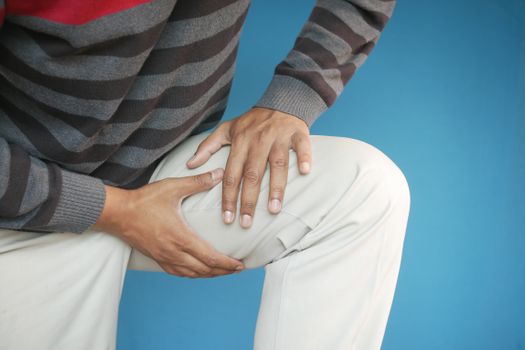 Photo: Towfiqu barbhuiya / Pexels
 Photo: www.kaboompics.com / Pexels
 Photo: Rollz International / Pexels