
How to Find a Primary Care Physician: Your Ultimate Guide
how to find a primary care physician

How to Find a Primary Care Physician: Your Ultimate Guide

Navigate the healthcare landscape with confidence to secure a primary care physician who truly understands your needs.

Start Your Search Now

Key Takeaways

  • ✓ A PCP is your first point of contact for most health concerns.
  • ✓ Compatibility with your PCP can significantly impact your health outcomes.
  • ✓ Insurance coverage is a critical factor in your selection process.
  • ✓ Online tools and personal recommendations are valuable resources.

How It Works

1
Define Your Needs & Preferences

Before searching, list what matters most to you: location, gender, specific medical needs, and communication style. This clarity will streamline your search significantly.

2
Leverage Your Insurance Network

Consult your insurance provider's directory to identify in-network primary care physicians. This step is crucial to avoid unexpected out-of-pocket costs and ensure coverage.

3
Research & Shortlist Candidates

Utilize online doctor review sites, hospital affiliations, and professional organizations to research potential PCPs. Create a shortlist based on credentials, patient feedback, and practice philosophy.

4
Schedule a 'Meet & Greet'

Many practices offer introductory appointments where you can meet the doctor and staff before committing. Use this opportunity to ask questions and assess compatibility, making an informed decision.

Understanding the Importance of a Primary Care Provider (PCP)
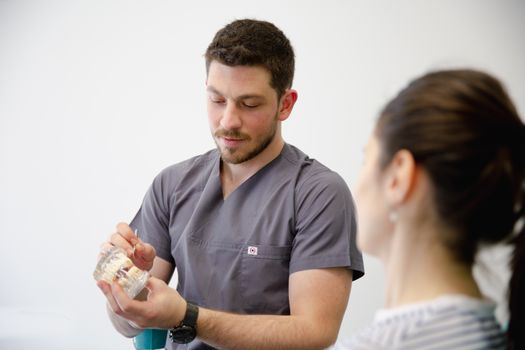
Dentist demonstrating dental model to a patient during a consultation. Photo: Esma Karagoz / Pexels
Finding the right primary care physician (PCP) is one of the most critical decisions you'll make for your long-term health and well-being. A PCP serves as your central point of contact for all non-emergency medical needs, acting as a healthcare quarterback who coordinates your care, provides preventive services, diagnoses common illnesses, and manages chronic conditions. They are often the first to notice subtle changes in your health, offering continuity of care that is invaluable. Without a dedicated PCP, navigating the complex healthcare system can become fragmented and overwhelming, potentially leading to delayed diagnoses, uncoordinated treatments, and higher costs. Think of your PCP as a trusted advisor who knows your medical history, understands your lifestyle, and can offer personalized guidance. This relationship fosters proactive health management, allowing for regular screenings, vaccinations, and lifestyle counseling tailored to your unique risk factors. For instance, a PCP will advise on appropriate cancer screenings based on age and family history, or recommend vaccinations to protect against common illnesses. They are also your gateway to specialized care, providing referrals to specialists like cardiologists or dermatologists when needed, ensuring you receive expert attention for specific concerns. A good PCP doesn't just treat illnesses; they empower you to maintain optimal health through education and support. Furthermore, having a consistent PCP can significantly improve health outcomes. Studies consistently show that individuals with a regular source of primary care experience fewer hospitalizations, better management of chronic diseases, and higher rates of preventive care utilization. This continuity builds a foundation of trust, making you more comfortable discussing sensitive health issues and adhering to treatment plans. It's not just about addressing symptoms when they arise, but about fostering a continuous, preventative approach to health. The process of how to find a primary care physician should therefore be approached with diligence and thoughtful consideration, as this decision lays the groundwork for years of effective healthcare. It’s an investment in your future health, providing a reliable resource for navigating everything from minor ailments to significant health challenges. Choosing the right healthcare provider can impact your health journey for years to come.

Navigating Insurance and Practical Considerations for Your Doctor Search

Professional woman wearing face mask holding insurance document, demonstrating safety and business. Photo: Mikhail Nilov / Pexels
The practicalities of how to find a primary care physician often begin with understanding your insurance coverage. Your health insurance plan dictates which doctors and facilities are considered 'in-network,' directly impacting your out-of-pocket costs. Beginning your search by consulting your insurance provider's directory is a crucial first step. Most insurance companies have online portals or customer service lines where you can access a comprehensive list of participating PCPs in your area. Failing to verify a doctor's in-network status could lead to significantly higher bills, as out-of-network providers typically come with higher deductibles, co-pays, or even full payment responsibilities. Beyond insurance, practical considerations like location, office hours, and accessibility are paramount. A PCP whose office is conveniently located near your home or workplace will make it easier to attend appointments, especially for routine check-ups or when you're feeling unwell. Consider their office hours – do they offer early morning, late evening, or weekend appointments that fit your schedule? For individuals with mobility challenges, ensuring the office is wheelchair accessible and offers ground-floor access or elevators is vital. Parking availability and public transportation options should also be factored into your decision, as these seemingly minor details can greatly influence the convenience and stress level of your healthcare experience. Another significant practical aspect is the physician's affiliated hospital system. If you ever require hospitalization or specialized procedures, your PCP will typically refer you to specialists and facilities within their affiliated network. Understanding which hospitals your potential PCP has privileges at can be important, especially if you have a preference for a particular medical center or if certain specialists you anticipate needing are within a specific system. Furthermore, inquire about the practice's communication methods – do they use a patient portal for appointment scheduling, prescription refills, and secure messaging with your doctor? Efficient communication tools can greatly enhance your overall experience and ensure timely access to information and care. These logistical details, while not directly related to medical expertise, play a substantial role in your overall satisfaction and ability to consistently access care.

Researching Credentials, Reputation, and Patient Reviews

Doctor and nurse examining patient records in a clinical setting. Photo: RDNE Stock project / Pexels
Once you have a list of potential primary care physicians who accept your insurance and meet your practical criteria, the next crucial step in how to find a primary care physician is to delve into their professional credentials and reputation. Start by verifying their board certification. Board certification indicates that a physician has met rigorous standards of excellence in their specialty by passing a comprehensive examination and maintaining ongoing education requirements. This is a strong indicator of a doctor's expertise and commitment to staying current with medical advancements. You can typically verify board certification through organizations like the American Board of Medical Specialties (ABMS) or the American Osteopathic Association (AOA). Beyond certification, investigate their educational background, including medical school and residency training. While not the sole determinant of a good doctor, a strong academic foundation can be reassuring. Also, look into any disciplinary actions or malpractice claims. Reputable state medical boards maintain public records of such information, allowing you to check a physician's professional history. This due diligence helps ensure you are choosing a doctor with a clean record and a commitment to ethical practice. Patient reviews and testimonials are invaluable resources for understanding a doctor's bedside manner, communication style, and the overall patient experience at their practice. Websites like Healthgrades, Vitals, and Zocdoc aggregate patient feedback, offering insights into wait times, staff friendliness, how well the doctor listens, and their willingness to explain conditions and treatments. While individual reviews should be taken with a grain of salt (as experiences can be subjective), patterns in feedback can reveal a great deal. For example, consistent comments about a doctor being dismissive or rushed might be a red flag, whereas frequent praise for thoroughness and empathy indicates a positive patient experience. Consider scheduling a 'meet and greet' appointment – many practices offer these short, introductory visits where you can briefly speak with the doctor, observe the office environment, and ask questions before committing. This personal interaction can provide a crucial gut feeling about whether a particular PCP is the right fit for your ongoing healthcare needs. This comprehensive research helps you make an informed decision and find a doctor you can trust. Understanding doctor qualifications is key.

Avoiding Common Mistakes and Making Your Final Decision

Doctors in discussion over a medical research project in a clinical setting. Photo: Tima Miroshnichenko / Pexels
When seeking how to find a primary care physician, several common pitfalls can derail your search. Being aware of these can help you make a more informed and satisfying choice. One major mistake is solely relying on a single source of information, such as an insurance directory or a friend's recommendation, without doing your own comprehensive research. While these are good starting points, they don't provide the full picture. Another common error is prioritizing convenience (location, hours) over crucial factors like a doctor's communication style or philosophical approach to care. While practicalities are important, they should not overshadow the quality of care and the compatibility of the doctor-patient relationship. Here are some tips to avoid common mistakes and make your final decision with confidence: * **Don't Settle:** If your first choice doesn't feel right, keep looking. This is a long-term relationship, and comfort and trust are paramount. * **Verify Everything:** Double-check insurance acceptance, board certifications, and any disciplinary actions. Information can change, and outdated directories exist. * **Prepare Questions for Interviews:** If you do a 'meet and greet,' have a list of questions ready. Ask about their communication style, how they handle after-hours emergencies, their approach to preventive care, and their philosophy on prescribing medication. * **Consider the Entire Practice:** Evaluate the support staff, nurses, and office environment. A great doctor in a poorly run office can still lead to a frustrating experience. * **Trust Your Gut:** After all the research, sometimes your intuition plays a significant role. If something feels off, it's okay to move on. * **Review Your Needs Periodically:** Your health needs and preferences may change over time. What was a good fit five years ago might not be today. Periodically reassess your PCP relationship. Making your final decision involves synthesizing all the information you've gathered and weighing what matters most to you. It's about finding a balance between credentials, practicality, and personal connection. Remember, a strong relationship with your PCP is a cornerstone of good health, so invest the time and effort to find the right one.

Comparison

FeatureIdeal PCPGood AlternativeLess Recommended
Insurance AcceptanceIn-network with multiple plansIn-network with primary planOut-of-network only
Board Certification✓ (Relevant specialty)✓ (General practice)✗ (No certification)
Patient ReviewsConsistently high ratings & positive commentsMostly positive, few minor complaintsNumerous negative reviews
Communication StyleListens actively, explains clearlyGenerally clear, sometimes rushedDismissive, poor listener

What Readers Say

"This guide made finding a new family doctor so much easier. I used the insurance tips and patient review sites, and now I have a fantastic PCP who really listens. Highly recommend following these steps."

Sarah J. · Austin, TX

"I was overwhelmed by the thought of finding a new primary care physician. This article broke down the process into manageable steps, from checking credentials to doing a meet and greet. It was incredibly helpful."

Michael D. · Chicago, IL

"After moving, I needed a new PCP. Following this guide's advice on leveraging my insurance and researching hospital affiliations led me to a doctor I trust completely. My health management has improved significantly."

Emily R. · Denver, CO

"The information on patient reviews and what to look for was particularly useful. While it still took some time, I felt much more confident in my choice thanks to the structured approach outlined here."

David L. · Miami, FL

"As someone new to managing my own healthcare, this article was a godsend. It explained the 'why' behind having a PCP and gave clear, actionable steps for how to find a primary care physician that suits my needs."

Jessica M. · Seattle, WA

Frequently Asked Questions

What is the most important factor when choosing a primary care physician?

While many factors are important, the most crucial is finding a PCP with whom you feel comfortable and can communicate openly. A strong doctor-patient relationship built on trust is foundational for effective long-term healthcare and ensures you feel heard and understood regarding your health concerns.

I'm new to an area; how do I start my search for a doctor?

Begin by contacting your health insurance provider for a list of in-network PCPs in your new location. Then, cross-reference this list with online review sites and ask local friends, colleagues, or neighbors for recommendations. Don't forget to check hospital affiliations and the doctor's credentials.

How do I verify a doctor's credentials and background?

You can verify a doctor's board certification through the American Board of Medical Specialties (ABMS) or the American Osteopathic Association (AOA) websites. State medical boards also provide information on licensure and any disciplinary actions. Online review sites often list educational backgrounds.

Is it expensive to switch primary care physicians?

Generally, switching PCPs is not inherently expensive, assuming your new doctor is in-network with your insurance. Your usual co-pays or deductibles for an initial visit will apply. The main 'cost' is often the time and effort required to research and establish care with a new provider.

Should I choose an MD or a DO as my primary care physician?

Both MDs (Doctors of Medicine) and DOs (Doctors of Osteopathic Medicine) are fully licensed physicians who can practice in all medical specialties. DOs often emphasize a holistic approach, focusing on the body's interconnected systems and preventive care, while MDs generally follow a more traditional medical model. The choice between an MD and a DO largely comes down to personal preference and which philosophy aligns best with your healthcare views.

Who should use how to find a primary care physician?

Anyone without a current primary care physician, those relocating to a new area, individuals dissatisfied with their current doctor, or anyone whose insurance plan has changed should actively use strategies for how to find a primary care physician to ensure continuous, high-quality healthcare.

What if I can't find a PCP accepting new patients?

If you're struggling to find a PCP accepting new patients, expand your search to include larger medical groups or clinics, which often have more capacity. Consider looking at nurse practitioners (NPs) or physician assistants (PAs), who can also serve as primary care providers under physician supervision. Your insurance company might also be able to assist with referrals.

Are virtual primary care options a good long-term solution?

Virtual primary care can be a convenient option for certain routine check-ups, minor illnesses, and chronic disease management. However, for comprehensive preventive care, physical exams, and complex issues, an in-person relationship with a PCP is often preferable. Many practices now offer a hybrid model combining virtual and in-person visits.

Finding the right primary care physician is a vital step toward managing your health proactively. By following the comprehensive steps outlined in this guide, you can confidently navigate the process of how to find a primary care physician who meets your needs and supports your journey to optimal well-being.

Topics: how to find a primary care physicianchoosing a family doctorPCP search tipshealthcare provider selectionfinding a new doctor
Leo List

DK Escorts LU Escorts AT Escorts SE Escorts FI Escorts CH Escorts DE Escorts HR Escorts IE Escorts GR Escorts CZ Escorts NO Escorts BE Escorts FR Escorts SI Escorts IL Escorts NL Escorts PL Escorts HU Escorts ES Escorts IT Escorts PT Escorts SK Escorts RO Escorts ZA Escorts UY Escorts US Escorts UK Escorts NZ Escorts AU Escorts
Brampton weed
Adultwork EstrelaBet Vai de Bet R7 Bet Betão Galera Bet Rainbet Bet9ja Shop SportyBet BetKing Sisal Loto Foot Hollywoodbets YesPlay Odibets RushBet Jugabet BetWarrior BetCity MSport betPawa Fortebet