✓ Limiting sodium and increasing potassium can yield substantial benefits.
How It Works
1
Assess Your Current Lifestyle
Understand your daily habits, including diet, exercise, and stress levels. This baseline helps identify areas for improvement.
2
Implement Dietary Adjustments
Focus on whole, unprocessed foods, rich in fruits, vegetables, and lean proteins. Reduce sodium, sugar, and unhealthy fats.
3
Incorporate Regular Physical Activity
Aim for at least 150 minutes of moderate-intensity aerobic exercise per week. Consistency is key for lasting results.
4
Adopt Stress Reduction Techniques
Practice mindfulness, meditation, deep breathing, or yoga to calm your nervous system. Chronic stress elevates blood pressure.
Understanding Hypertension: The Silent Killer
Photo: Ahmad Taufik / Pexels
Hypertension, commonly known as high blood pressure, is a pervasive health condition affecting millions of Americans. It's often dubbed the 'silent killer' because it typically presents no symptoms, yet it significantly increases the risk of serious health problems such as heart attack, stroke, kidney disease, and even vision loss. Blood pressure is measured in millimeters of mercury (mmHg) and is recorded as two numbers: systolic (the top number, measuring pressure when your heart beats) and diastolic (the bottom number, measuring pressure when your heart rests between beats). A normal blood pressure reading is generally considered to be below 120/80 mmHg. When readings consistently exceed 130/80 mmHg, it's classified as hypertension. Understanding what these numbers mean is the first step toward taking control of your health. Many factors contribute to high blood pressure, including genetics, age, obesity, a sedentary lifestyle, excessive sodium intake, high alcohol consumption, and chronic stress. While some factors like genetics are beyond our control, a significant portion of hypertension cases can be managed and even reversed through lifestyle modifications. This article will delve into practical, evidence-based strategies that empower you to lower your blood pressure naturally, reducing your reliance on medication or, in some cases, preventing its need altogether. It's important to remember that these natural approaches are powerful tools, but they should always complement, not replace, medical advice. Always consult with your healthcare provider before making significant changes to your health regimen, especially if you are currently on medication for hypertension or other conditions. The journey to lower blood pressure naturally is a commitment to a healthier lifestyle, and the rewards extend far beyond just your blood pressure numbers, encompassing improved energy, better mood, and enhanced overall well-being. Focusing on a holistic approach that addresses diet, exercise, stress, and other lifestyle factors is paramount. This foundational understanding sets the stage for implementing the practical strategies we will explore in detail. Learn more about the risks of untreated hypertension.
Dietary Interventions: Fueling a Healthy Heart
Photo: Markus Spiske / Pexels
The food choices you make daily have a profound impact on your blood pressure. Adopting a heart-healthy diet is perhaps one of the most effective natural ways to lower blood pressure. The Dietary Approaches to Stop Hypertension (DASH) diet is a prime example, specifically designed to combat high blood pressure. This eating plan emphasizes fruits, vegetables, whole grains, lean proteins, and low-fat dairy, while significantly limiting saturated and trans fats, cholesterol, sodium, and added sugars. Key to the DASH diet, and indeed to any blood pressure-lowering diet, is a drastic reduction in sodium intake. The American Heart Association recommends no more than 2,300 milligrams (mg) of sodium per day for most adults, with an ideal limit of 1,500 mg per day for those with high blood pressure. Processed foods are notorious for their high sodium content, so focusing on fresh, whole ingredients is vital. Conversely, increasing your intake of potassium-rich foods can help counteract the effects of sodium. Potassium helps your body excrete sodium and relaxes blood vessel walls, both contributing to lower blood pressure. Excellent sources of potassium include bananas, avocados, spinach, sweet potatoes, and white beans. Magnesium and calcium are also minerals that play a role in blood pressure regulation. Incorporating foods like leafy greens, nuts, seeds, and certain fish (for magnesium) and low-fat dairy or fortified plant milks (for calcium) can further support your efforts. Beyond specific minerals, a diet rich in antioxidants and fiber, found abundantly in fruits, vegetables, and whole grains, helps reduce inflammation and improve overall cardiovascular function. Consider integrating foods known for their direct blood pressure-lowering properties, such as berries, beets, garlic, and dark chocolate (in moderation). Limiting alcohol consumption is another critical dietary adjustment. While moderate alcohol intake might have some perceived benefits, excessive drinking can significantly raise blood pressure. For those who consume alcohol, moderation is key: up to one drink per day for women and up to two drinks per day for men. Making these dietary changes doesn't have to be overwhelming. Start small by gradually incorporating more whole foods and reducing processed items. Meal planning can help you stay on track and ensure you're getting a balanced intake of nutrients. Remember, consistency over time yields the most significant results. These dietary shifts are not just about temporary fixes; they are about establishing sustainable eating habits that promote long-term heart health and contribute significantly to how to lower blood pressure naturally.
Exercise and Stress Management for Optimal Blood Pressure
Photo: Rainer Eck / Pexels
Physical activity is a cornerstone of cardiovascular health and a powerful tool in your arsenal to lower blood pressure naturally. Regular exercise strengthens your heart, making it more efficient at pumping blood, which in turn reduces the pressure on your arteries. Aim for at least 150 minutes of moderate-intensity aerobic activity per week, or 75 minutes of vigorous-intensity activity. This could include brisk walking, jogging, cycling, swimming, or dancing. Even short bursts of activity throughout the day can add up and make a difference. Incorporating strength training exercises two to three times a week can also be beneficial, as building lean muscle mass can improve metabolism and overall cardiovascular health. Before starting any new exercise regimen, especially if you have existing health conditions, it's wise to consult with your doctor. Consistency is far more important than intensity when you're beginning. Start with what you can manage and gradually increase the duration and intensity as your fitness improves. Beyond structured workouts, simply moving more throughout your day can have a positive impact. Take the stairs instead of the elevator, park further away, or take short walking breaks during work. Every little bit counts towards a healthier heart. Complementing physical activity, effective stress management is equally vital in the quest to lower blood pressure naturally. Chronic stress can keep your body in a constant state of 'fight or flight,' releasing hormones that constrict blood vessels and elevate heart rate, leading to sustained high blood pressure. Identifying and addressing your stress triggers is the first step. Once identified, you can explore various techniques to mitigate their impact. Mindfulness meditation, deep breathing exercises, yoga, tai chi, and spending time in nature are all proven methods to calm the nervous system and reduce stress hormones. Even simple hobbies like reading, listening to music, or spending time with pets can provide significant stress relief. Prioritizing quality sleep is another often-overlooked aspect of stress management and blood pressure control. Lack of sleep can contribute to elevated blood pressure. Aim for 7-9 hours of restful sleep per night by establishing a consistent sleep schedule and creating a conducive sleep environment. Combining regular exercise with effective stress reduction techniques creates a synergistic effect, profoundly impacting your ability to manage and lower blood pressure without relying solely on medication. These lifestyle changes are not just about treating symptoms but about fostering a sustainable, healthier way of living. Discover more about the benefits of mindful living for health.
Supplements and Lifestyle Choices: Boosting Your Efforts
Photo: Jonathan Borba / Pexels
While diet and exercise form the bedrock of natural blood pressure reduction, certain supplements and additional lifestyle choices can further support your efforts. It's crucial to approach supplements with caution and always consult your doctor before adding them to your regimen, especially if you are on existing medications. Some supplements that have shown promise in supporting healthy blood pressure include omega-3 fatty acids, found in fish oil, which can reduce inflammation and improve blood vessel function. Coenzyme Q10 (CoQ10) is another popular supplement, an antioxidant that plays a role in energy production and may help relax blood vessels. Magnesium, as mentioned earlier, is vital for various bodily functions, including blood pressure regulation, and a deficiency can contribute to hypertension. Potassium supplements can be effective, but their use must be carefully monitored by a doctor due to the risk of hyperkalemia (excess potassium). Other natural remedies, such as hibiscus tea, garlic extract, and beetroot juice, have also been studied for their potential blood pressure-lowering effects. Hibiscus tea, in particular, has shown promising results in some studies, acting as a mild diuretic. Lifestyle choices extend beyond just diet and exercise. Quitting smoking is paramount, as nicotine constricts blood vessels and significantly elevates blood pressure, while the chemicals in tobacco damage artery walls. Maintaining a healthy weight is also critical. Even a modest weight loss can lead to a significant reduction in blood pressure. The relationship between weight and blood pressure is direct: as your weight increases, so does the demand on your heart to pump blood, leading to higher pressure. Limiting caffeine intake can also be beneficial for some individuals, as caffeine can cause a temporary spike in blood pressure. Monitoring your blood pressure at home is an empowering practice. Regular readings can help you track your progress, identify triggers, and provide valuable information for your healthcare provider. Choose an accurate, validated home blood pressure monitor and learn how to use it correctly. Consistency in measurement time and technique is key. Finally, building a strong support system can make a significant difference. Sharing your goals with family and friends, or joining a support group, can provide encouragement and accountability, making it easier to stick to your new, healthy habits. Remember, the journey to lower blood pressure naturally is a marathon, not a sprint. Patience, persistence, and a holistic approach to your health will yield the best and most sustainable results.
Comparison
Feature
DASH Diet
Mediterranean Diet
Low-Sodium Diet
Focus
BP Reduction
Overall Health
Sodium Restriction
Key Foods
Fruits, Veggies, Whole Grains
Olive Oil, Fish, Veggies
Fresh Foods, Herbs
Sodium Limit
1500-2300 mg
Moderate
1500 mg or less
Effectiveness
High
High
High
What Readers Say
★★★★★
"Following the advice on how to lower blood pressure naturally from this guide, I've seen my readings drop significantly. The dietary changes were challenging at first, but now they feel second nature. Highly recommend for anyone looking for a natural approach."
Sarah J. · Austin, TX
★★★★★
"This article provided such clear, actionable steps. Incorporating daily walks and meditation has not only lowered my blood pressure but also improved my overall mood. It's truly a comprehensive resource for natural hypertension management."
Michael R. · Orlando, FL
★★★★★
"I was able to reduce my systolic pressure by 15 points in three months by applying these natural strategies. My doctor is thrilled with my progress, and I feel more energetic than ever. This guide is a game-changer!"
Emily C. · Denver, CO
★★★★★
"The information on how to lower blood pressure naturally is excellent, though some of the dietary changes required a bit more effort than I anticipated. Still, the results speak for themselves, and I'm committed to continuing these habits."
David L. · Seattle, WA
★★★★★
"As someone who wanted to avoid medication, this guide was a godsend. The practical tips on stress reduction and exercise have made a huge difference. My blood pressure is now consistently in the healthy range."
Jessica M. · Chicago, IL
Frequently Asked Questions
What is the fastest way to lower blood pressure naturally?
While there's no instant fix, immediate lifestyle changes like reducing sodium intake, engaging in a brisk walk, and practicing deep breathing can offer quick, albeit temporary, reductions. For sustainable results, a consistent combination of dietary changes, regular exercise, and stress management is most effective over time.
Is it truly possible to lower blood pressure without medication?
For many individuals with prehypertension or mild hypertension, yes, it is absolutely possible to significantly lower blood pressure through consistent lifestyle modifications. For those with more severe hypertension, natural methods can often reduce the need for high doses of medication or, in some cases, help reduce the number of medications required, always under medical supervision.
How much exercise is needed to lower blood pressure?
Aim for at least 150 minutes of moderate-intensity aerobic activity, such as brisk walking or cycling, per week, or 75 minutes of vigorous-intensity exercise. This can be broken down into shorter sessions throughout the week. Consistency is more important than intensity when starting out.
Are there specific foods I should avoid to lower blood pressure?
To lower blood pressure, it's crucial to avoid foods high in sodium (processed foods, canned soups, frozen meals), saturated and trans fats (fried foods, fatty meats, many baked goods), and added sugars (sugary drinks, desserts). Limiting red meat and excessive alcohol is also beneficial.
How do natural methods compare to prescription medications for blood pressure?
Natural methods offer a holistic approach, addressing the root causes of high blood pressure and improving overall health, often without side effects. Medications are highly effective at lowering blood pressure quickly but may come with side effects and don't address underlying lifestyle issues. Ideally, they work best in conjunction, with natural methods reducing the need for or dosage of medication.
Who should consider lowering blood pressure naturally?
Anyone with elevated blood pressure, prehypertension, or hypertension should consider natural methods. It's particularly beneficial for those looking to prevent high blood pressure, reduce reliance on medication, or improve overall cardiovascular health. Always consult a doctor first, especially if you are already on medication.
Are there any risks associated with natural blood pressure remedies?
While lifestyle changes like diet and exercise are generally safe and beneficial, some herbal supplements can interact with medications or have adverse effects. It's essential to discuss any natural remedies or supplements with your doctor to ensure they are safe and appropriate for your individual health condition.
What role does technology play in managing blood pressure naturally?
Technology can be a great aid, with apps for tracking diet and exercise, smartwatches monitoring activity and sleep, and home blood pressure monitors providing regular readings. These tools empower individuals to stay consistent, monitor progress, and share data with their healthcare providers, making natural management more accessible and effective.
Embark on your journey to a healthier heart today by embracing these powerful, natural strategies. Take control of your well-being and discover how to lower blood pressure naturally for a vibrant, longer life.
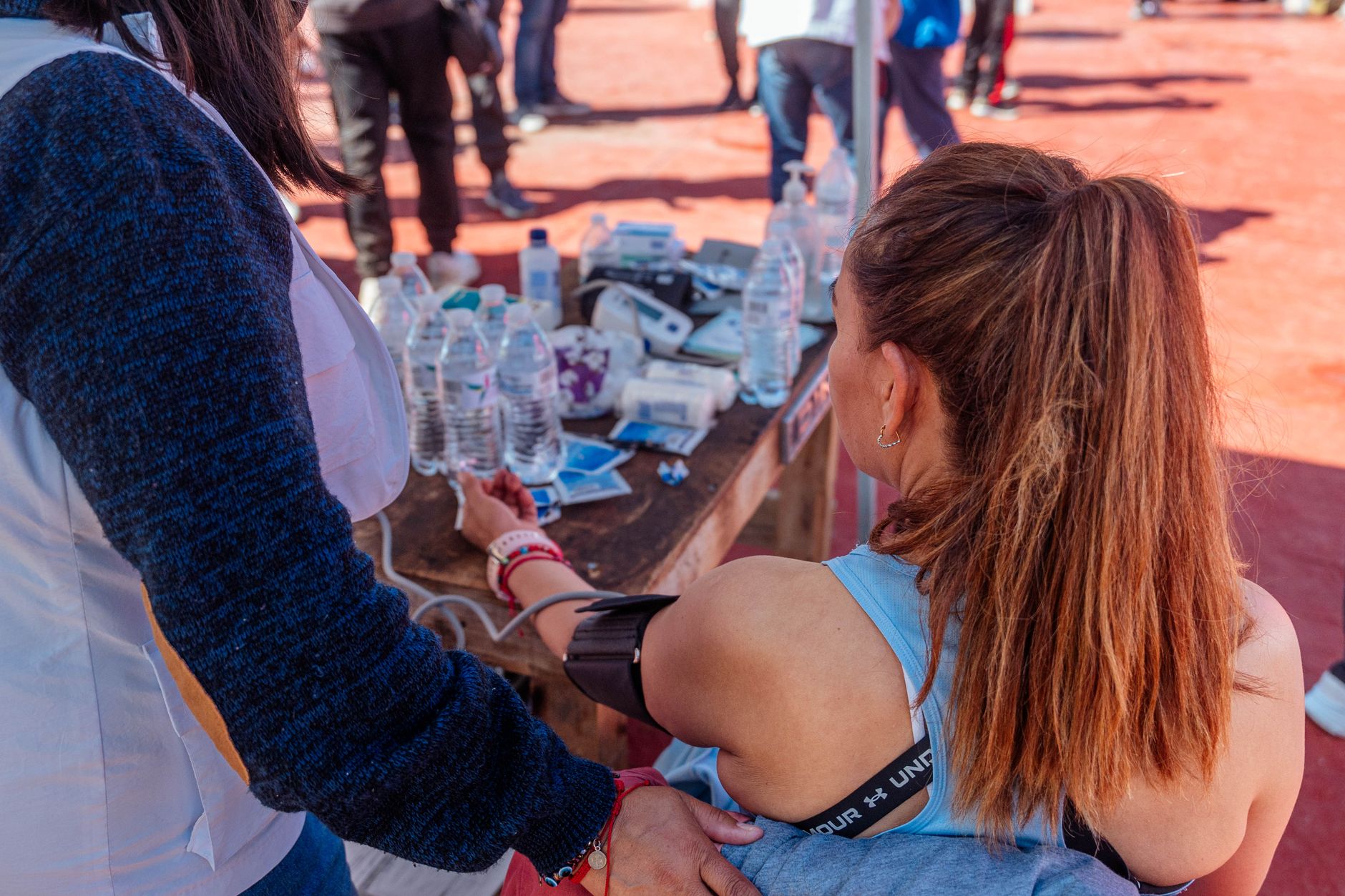
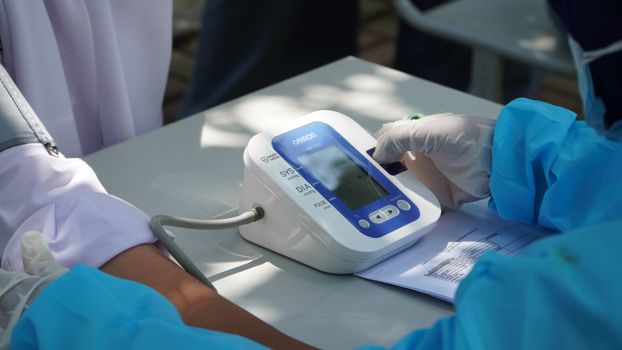 Photo: Ahmad Taufik / Pexels
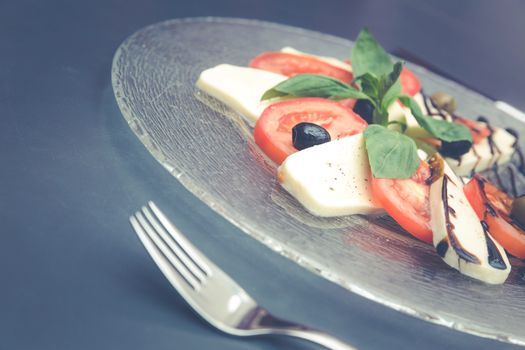 Photo: Markus Spiske / Pexels
 Photo: Rainer Eck / Pexels
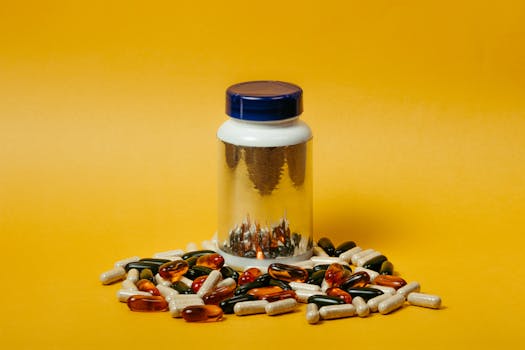 Photo: Jonathan Borba / Pexels