How to Prepare for a Colonoscopy: Your Ultimate Guide
how to prepare for a colonoscopy

How to Prepare for a Colonoscopy: Your Ultimate Guide

Master your colonoscopy preparation with expert advice, ensuring a comfortable and effective screening for your health.

Start Your Prep Now

Key Takeaways

  • ✓ Proper bowel preparation is crucial for an effective colonoscopy.
  • ✓ Dietary restrictions begin several days before the procedure.
  • ✓ The prep solution must be consumed as directed by your doctor.
  • ✓ Hydration is vital throughout the preparation process.

How It Works

1
Consult Your Doctor

Discuss your medical history, current medications, and any allergies with your physician. They will provide specific instructions tailored to your needs.

2
Adjust Your Diet

Begin a low-fiber diet 3-5 days before the procedure, transitioning to clear liquids the day before. This helps clear your colon.

3
Take the Prep Solution

Follow your doctor's instructions precisely for consuming the prescribed bowel preparation solution. This is the most critical step for a clean colon.

4
Arrive Prepared

Ensure you have transportation arranged and understand all post-procedure instructions. A successful prep leads to a successful colonoscopy.

Understanding the Importance of Colonoscopy Preparation

From above of vintage light box with THANK YOU DOCTORS gratitude message placed on green surface Photo: www.kaboompics.com / Pexels
A colonoscopy is a vital medical procedure used to detect changes or abnormalities in the large intestine (colon) and rectum. It's the gold standard for screening for colon cancer, which is the third most common cancer diagnosed in both men and women in the United States. While the procedure itself is relatively quick and performed under sedation, the preparation leading up to it is arguably the most crucial part. Many people dread the 'prep' more than the colonoscopy itself, but understanding its paramount importance can help alleviate some anxiety and motivate meticulous adherence to instructions. The primary goal of colonoscopy preparation is to thoroughly cleanse the colon of all fecal matter. Why is this so critical? Imagine trying to find a tiny polyp, sometimes only a few millimeters in size, hidden behind residual stool. It would be like searching for a needle in a haystack, or even worse, a needle obscured by debris. An inadequately prepared colon can lead to several undesirable outcomes. Firstly, it significantly increases the risk of missing polyps or other abnormalities, including early-stage cancers. If your doctor can't get a clear view of the colon lining, the entire purpose of the screening is undermined. This could mean a delayed diagnosis, allowing potential cancers to progress further, or requiring you to undergo the entire preparation and procedure again sooner than anticipated. Secondly, poor preparation can prolong the procedure itself, as the gastroenterologist may need to spend extra time attempting to clear the view, potentially increasing discomfort or the amount of sedative needed. Thirdly, it can lead to an incomplete examination, where the scope cannot reach the entire colon, necessitating a repeat procedure or alternative screening methods. The quality of your bowel preparation directly correlates with the accuracy of the colonoscopy. A well-prepared colon allows the doctor to clearly visualize the entire mucosal lining, identify even the smallest polyps, and remove them before they have a chance to become cancerous. This proactive approach is what makes colonoscopies so effective in preventing colorectal cancer. Therefore, viewing the preparation not as a burden, but as a critical investment in your long-term health, can shift your perspective. It's a temporary inconvenience that yields significant benefits, potentially saving your life. Your commitment to following your doctor's instructions meticulously is an act of self-care, ensuring the best possible diagnostic outcome. For more information on why this screening is so important, consider exploring resources on colon cancer prevention.

The Pre-Prep Diet: What to Eat and What to Avoid
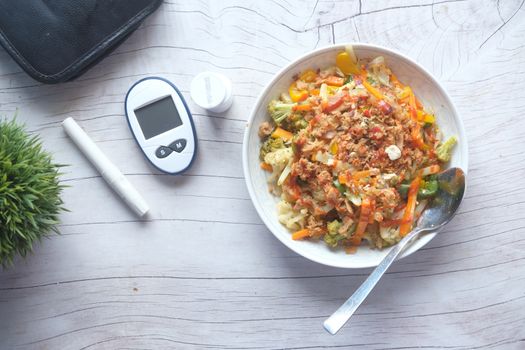
Top view of a nutritious vegetable salad next to diabetic monitoring equipment on a wooden table. Photo: Towfiqu barbhuiya / Pexels
The journey to a clean colon doesn't start the day before your procedure; it often begins several days in advance with specific dietary modifications. This pre-prep diet is designed to reduce the amount of fiber and residue in your digestive system, making the final cleansing process more effective and less arduous. Typically, your doctor will advise you to start a low-fiber or low-residue diet 3 to 5 days before your colonoscopy. What does a low-fiber diet entail? The general rule is to avoid foods that are difficult to digest or leave significant residue in your colon. This includes most fruits and vegetables, especially those with skins, seeds, or high fiber content. Think of it as reducing bulk. **Foods to Avoid (3-5 Days Before):** * **Whole Grains:** Whole-wheat bread, brown rice, oats, quinoa, cereals with nuts or seeds. * **Nuts and Seeds:** All nuts, seeds (including poppy, sesame, chia, flax), and foods containing them (e.g., seeded bread, granola). * **Legumes:** Beans, lentils, peas. * **Raw Fruits and Vegetables:** Especially those with skins or seeds like berries, tomatoes, corn, broccoli, spinach, and leafy greens. Even cooked vegetables should be limited. * **High-Fiber Foods:** Popcorn, tough meats, fried foods. **Foods You Can Eat (3-5 Days Before):** * **Refined Grains:** White bread, white rice, plain pasta, crackers (without seeds). * **Lean Proteins:** Skinless chicken or turkey, fish (baked or broiled), eggs, tofu. * **Dairy:** Plain yogurt, cottage cheese, milk (in moderation, if tolerated). * **Cooked Vegetables (limited):** Peeled potatoes (without skin), well-cooked carrots, green beans (without strings). * **Canned or Peeled Fruits:** Applesauce, bananas, melon (without seeds), canned peaches or pears. As you get closer to the day before your colonoscopy, your diet will become even more restrictive, transitioning to a clear liquid diet. This is the final stage of dietary preparation and is absolutely non-negotiable for a successful procedure. **Clear Liquid Diet (The Day Before):** This diet includes only liquids that you can see through. The goal is to keep you hydrated and provide some energy while ensuring no solid particles remain in your digestive tract. * **Water:** Essential and unlimited. * **Clear Broth:** Chicken, beef, or vegetable broth (without any solid pieces). * **Clear Juices:** Apple juice, white grape juice (no pulp). * **Sports Drinks:** Gatorade, Powerade (clear varieties, avoid red, blue, or purple dyes as they can stain the colon lining and be mistaken for blood). * **Gelatin:** Jell-O (again, avoid red, blue, or purple). * **Coffee or Tea:** Black, without milk, cream, or non-dairy creamers. Sugar is fine. * **Clear Sodas:** Sprite, ginger ale, 7-Up. * **Hard Candies:** Clear varieties only. **Crucially, avoid anything red, blue, or purple.** These dyes can mimic blood in the colon and lead to false positives or obscure the view. Also, avoid alcohol. Stick to the clear liquid diet until at least 4-6 hours before your scheduled procedure, or as specifically instructed by your doctor. Adhering to these dietary guidelines is a critical step in ensuring your colon is ready for examination. Neglecting this phase can compromise the entire procedure and may necessitate a repeat colonoscopy.

Navigating the Bowel Preparation Solutions: What to Expect
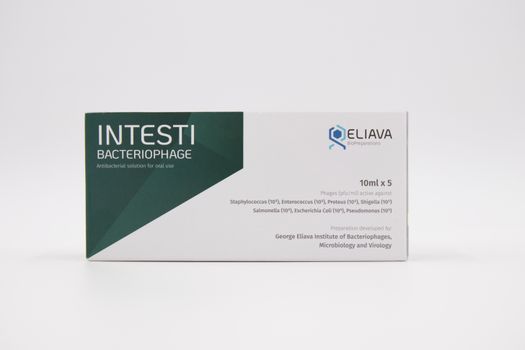
Box of Intesti Bacteriophage, an antibacterial solution for oral use. Photo: George Shervashidze / Pexels
The most talked-about and often dreaded part of colonoscopy preparation is consuming the bowel preparation solution. While it's not a pleasant experience, it's a temporary one, and understanding what to expect can help you manage it more effectively. There are several types of bowel prep solutions available, and your doctor will prescribe the one best suited for your health profile. Common types include polyethylene glycol (PEG) solutions (like GoLYTELY, NuLYTELY, MoviPrep), sodium picosulfate, magnesium citrate, and sodium phosphate preparations. Each has its own specific instructions regarding dosage, timing, and mixing. It is absolutely essential to follow your doctor's specific instructions to the letter, as deviations can lead to an incomplete prep or potential health risks. Most modern bowel preps involve drinking a large volume of liquid, often divided into two doses (a 'split dose' regimen). The first dose is typically consumed the evening before the procedure, and the second dose is taken early in the morning of the procedure, usually 4-6 hours before your scheduled arrival time. This split-dose approach is generally preferred because it leads to better colon cleansing and is often better tolerated than a single large dose. The solutions work as powerful laxatives, flushing out the contents of your colon. **Tips for Managing the Prep Solution:** * **Chill It:** Most solutions are more palatable when chilled. Prepare it a few hours in advance and refrigerate it. * **Use a Straw:** Drinking through a straw can help bypass some of your taste buds, making it easier to consume. * **Add Flavor (Carefully):** If permitted by your doctor, you can add a clear, sugar-free flavoring packet (like Crystal Light, avoiding red, blue, or purple dyes) to the solution. Do not add anything with pulp or color. * **Chase with Clear Liquids:** After each glass of prep solution, chase it with a clear liquid like apple juice, ginger ale, or clear broth. This can help wash away the taste. * **Stay Near a Restroom:** The solution will cause frequent, watery bowel movements. Ensure you have easy access to a bathroom and plan to stay home throughout the prep period. * **Combat Irritation:** Use soft toilet paper, flushable wipes, or even a bidet to prevent skin irritation. Applying a barrier cream (like Vaseline or Desitin) can also help. * **Stay Hydrated:** In addition to the prep solution, continue to drink plenty of other clear liquids to prevent dehydration. This is crucial for your comfort and safety. * **Manage Nausea:** If you experience significant nausea, try slowing down the pace of drinking. Small sips over a longer period might help. If nausea or vomiting becomes severe, contact your doctor immediately. They may have anti-nausea medication or alternative instructions. It's important to remember that the goal is to have clear or yellowish liquid coming from your rectum, free of any solid particles. If your bowel movements are still dark, cloudy, or contain solid matter, you must inform your doctor. They may advise you to take additional steps or adjust your arrival time. While challenging, successfully completing the bowel prep is a testament to your commitment to your health and directly contributes to the success of your colonoscopy. For further guidance on managing discomfort during the prep, consider reading about digestive health tips.

Essential Tips for a Smooth Colonoscopy Experience
Woman in hospital bed talking on phone, representing healthcare and patient communication. Photo: RDNE Stock project / Pexels
Beyond the diet and the prep solution, there are several practical steps you can take to ensure your colonoscopy experience is as smooth and stress-free as possible. These tips cover everything from medication management to what to bring on the day of your procedure. **Medication Management:** * **Discuss Medications with Your Doctor:** This is paramount. Certain medications, especially blood thinners (e.g., aspirin, ibuprofen, warfarin, clopidogrel) and iron supplements, must be stopped several days or even a week before the procedure. Diabetes medications may also need adjustment. Never stop or change medications without explicit instructions from your doctor. * **Diabetic Patients:** If you have diabetes, your doctor will provide specific instructions for managing your insulin or oral diabetic medications during the clear liquid diet and prep phase. Monitoring blood sugar closely is essential. * **Other Medications:** Generally, most other prescription medications can be taken with small sips of water, even on the day of the procedure, but always confirm with your doctor or the endoscopy center. **The Day Before and Day of the Procedure:** * **Arrange Transportation:** You will be sedated for the colonoscopy, making it unsafe to drive yourself home. Arrange for a trusted friend or family member to drive you to and from the facility. Public transportation or ride-sharing services are not acceptable alternatives if you are alone. * **Comfortable Clothing:** Wear loose, comfortable clothing to the appointment. You'll likely change into a gown, but comfortable clothes for the journey home are a good idea. * **Bring Essentials:** Pack a small bag with your insurance card, photo ID, a list of your medications, and any post-procedure instructions you've received. You might also want a book or magazine for waiting times. * **Follow Fasting Instructions:** Adhere strictly to the fasting instructions provided by your doctor regarding when to stop consuming clear liquids. Usually, this is 2-4 hours before your arrival time. * **Stay Calm:** It's normal to feel a bit anxious. Remember that the medical staff are experts, and the sedation will make the procedure comfortable and painless. **Post-Procedure Recovery:** * **Listen to Instructions:** Pay close attention to the discharge instructions provided by the medical staff. These will cover diet, activity restrictions, and when to resume medications. * **Rest:** You will likely feel groggy from the sedation. Plan to rest for the remainder of the day. Avoid making important decisions, operating machinery, or consuming alcohol. * **Diet:** Start with light, easily digestible foods after the procedure. Gradually return to your normal diet as tolerated. You might experience some bloating or gas, which is normal. * **Gas Relief:** Walking around can help relieve any trapped gas. Peppermint tea or anti-gas medications can also be helpful. * **Results:** Your doctor will usually discuss preliminary findings with you before you leave. Biopsy results, if any, will take longer. By proactively addressing these aspects, you can significantly reduce stress and ensure a safer, more effective colonoscopy. Remember, open communication with your healthcare team is your best asset throughout this process.

Comparison

FeaturePEG-based Prep (e.g., GoLYTELY)Low-Volume Prep (e.g., MoviPrep, Plenvu)Magnesium Citrate Prep
Volume to DrinkLarge (2-4 liters)Moderate (1-2 liters)Smaller (2 bottles)
TasteSalty, often challengingOften flavored, better toleratedTart, can be sweet
EffectivenessExcellent, gold standardVery good, often preferredGood, but less comprehensive
Side EffectsBloating, nausea, fullnessLess bloating, some nauseaCramping, dehydration risk
Hydration NeedsHigh (drink extra clear liquids)High (drink extra clear liquids)Very High (critical to drink extra)
Prescription Needed✗ (OTC options exist, but doctor guidance is crucial)

What Readers Say

"I was so nervous about the colonoscopy prep, but following the doctor's instructions for a low-fiber diet days before made a huge difference. The clear liquid diet wasn't fun, but knowing it was temporary helped me get through it. My colon was perfectly clean, and the doctor found a polyp early!"

Sarah J. · Austin, TX

"My second colonoscopy prep was much better than the first. This time, I chilled the prep solution and used a straw, which made it far more tolerable. The split-dose regimen also meant less discomfort at once. It's a necessary evil, but totally manageable with the right approach."

Mark T. · Denver, CO

"I followed every step, from the low-residue diet to the specific timing of the prep solution. The result was a 'perfect prep' according to my doctor, which meant a quick and clear procedure. It's worth the effort for that peace of mind."

Emily R. · Miami, FL

"The prep was definitely the hardest part, especially the taste of the solution. I wish I had known about adding a clear flavor packet beforehand. However, the staff was amazing, and the procedure itself was a breeze. Next time, I'll be even better prepared."

David L. · Chicago, IL

"My doctor emphasized staying hydrated during the prep, and that was key. I drank so much water and clear broth in addition to the prep solution, and it really helped prevent headaches and feeling completely drained. It made the whole experience much more manageable."

Jessica M. · Seattle, WA

Frequently Asked Questions

What is the most important part of preparing for a colonoscopy?

The most important part of preparing for a colonoscopy is achieving a completely clean colon. This is primarily accomplished through strict adherence to the prescribed bowel preparation solution and the clear liquid diet. A clean colon allows your doctor to clearly visualize the entire lining and detect any abnormalities, ensuring the accuracy and effectiveness of the screening.

Will I be hungry during the clear liquid diet?

While you won't be eating solid foods, you can consume a variety of clear liquids, including broths, clear juices, Jell-O, and sports drinks. Many people find that by drinking frequently, they can manage hunger fairly well. Focus on staying hydrated and consuming allowed liquids to keep your energy up.

How do I take the colonoscopy prep solution if it tastes bad?

To make the prep solution more palatable, try chilling it thoroughly, drinking it through a straw to bypass some taste buds, and chasing each glass with a clear, allowed beverage like ginger ale or clear apple juice. Some doctors also allow adding a clear, sugar-free flavor packet (avoiding red, blue, or purple dyes) to the solution.

Is colonoscopy prep expensive?

The cost of colonoscopy prep solutions can vary depending on your insurance coverage and the specific type prescribed. Some are generic and less expensive, while others are brand-name. Your doctor's office or pharmacy can provide cost estimates, and many insurance plans cover the cost as part of preventive care. Always check with your insurance provider.

Is there an alternative to the traditional colonoscopy prep?

While there are different types of prep solutions (e.g., low-volume vs. high-volume), all require significant bowel cleansing. Other screening methods like stool-based tests (FIT, Cologuard) or virtual colonoscopy (CT colonography) exist, but they are not direct alternatives to a colonoscopy, especially if polyps are suspected or for follow-up. A colonoscopy remains the only method that allows for direct visualization and removal of polyps during the same procedure.

Who should undergo a colonoscopy?

Generally, individuals at average risk for colorectal cancer should begin screening at age 45. Those with a family history of colon cancer, personal history of inflammatory bowel disease, or certain genetic syndromes may need to start screening earlier and more frequently. Your doctor will determine the appropriate screening schedule for you.

Are there any risks associated with colonoscopy preparation?

The primary risks associated with colonoscopy preparation include dehydration, electrolyte imbalances, and rarely, adverse reactions to the prep solution such as nausea, vomiting, or allergic reactions. Following your doctor's instructions, staying well-hydrated with clear liquids, and reporting any severe symptoms are crucial for minimizing these risks.

Will colonoscopy prep solutions become easier to take in the future?

Research continues to explore more palatable and lower-volume colonoscopy prep solutions. While significant advancements have already been made, ongoing efforts aim to further improve patient comfort and compliance, potentially leading to even easier and more effective preparation methods in the future.

Preparing for a colonoscopy might seem daunting, but with careful planning and adherence to your doctor's instructions, it's a manageable and incredibly important step for your health. By understanding each phase of the process, from dietary adjustments to managing the prep solution, you empower yourself to achieve the best possible outcome. Don't let apprehension deter you from this life-saving screening; your proactive approach to how to prepare for a colonoscopy ensures a clear view and a healthier future.

Topics: how to prepare for a colonoscopycolonoscopy prepcolonoscopy dietbowel preparationcolon cancer screening
Leo List
Brampton weed
Adultwork