✓ Annual physicals are crucial for preventive health and early detection of issues.
✓ Preparation can significantly improve the quality and effectiveness of your exam.
✓ Knowing your medical history and current medications is paramount.
✓ Don't hesitate to ask questions and voice concerns during your appointment.
How It Works
1
Schedule Your Appointment Thoughtfully
Choose a time when you're not rushed and can fully focus. Inform the office if you have specific concerns requiring more time.
2
Gather Essential Information
Compile a list of medications, supplements, medical history, and family health details. This saves time and ensures accuracy.
3
Prepare Your Questions and Concerns
Write down everything you want to discuss with your doctor. This ensures no important points are forgotten during the visit.
4
Understand Pre-Exam Instructions
Follow any fasting or dietary restrictions provided by your doctor's office. This ensures accurate test results.
Understanding the Importance of Your Annual Physical Exam
Photo: Tima Miroshnichenko / Pexels
A physical exam, often referred to as an annual physical or wellness exam, is a cornerstone of preventive healthcare in the United States. It's not just a routine check-up; it's a proactive step in managing your overall health and well-being. Many people view it as a mere formality, but its significance cannot be overstated. During this appointment, your doctor assesses your general health, screens for potential diseases, updates immunizations, and provides personalized health advice. It's a critical opportunity to catch health issues early, often before they become serious, and to discuss any changes in your health or lifestyle that might impact your future. Think of it as an annual maintenance check for your most valuable asset: your body. By regularly engaging with your primary care physician, you build a health history that allows for better, more informed medical decisions over time. This continuity of care is invaluable, as your doctor becomes familiar with your baseline health, making it easier to identify deviations. Furthermore, annual physicals often include screenings for common conditions like high blood pressure, high cholesterol, diabetes, and certain cancers, depending on your age, sex, and risk factors. These screenings are vital for early intervention, which can significantly improve treatment outcomes. For instance, detecting hypertension early can prevent serious cardiovascular events. Similarly, identifying prediabetes can lead to lifestyle changes that avert type 2 diabetes. Without these regular check-ups, many conditions could progress silently, only becoming apparent at more advanced, and often more difficult-to-treat, stages. Beyond disease detection, the annual physical is a dedicated time to discuss your lifestyle habits – diet, exercise, sleep, stress levels, and even mental health concerns. Your doctor can offer guidance on maintaining a healthy weight, quitting smoking, reducing alcohol intake, or managing chronic stress. These discussions empower you to make informed choices that contribute to a longer, healthier life. It's also an opportune moment to review your immunization status and ensure you are up-to-date on recommended vaccines, protecting you from preventable infectious diseases. Many insurance plans fully cover annual physicals as part of their preventive care benefits, making it an accessible and cost-effective way to stay on top of your health. Don't let this crucial appointment slip by. Proactive engagement with your healthcare provider is the best investment you can make in your long-term health. Understanding why these exams are important is the first step in learning how to prepare for a physical exam effectively.
Pre-Appointment Preparation: Gathering Essential Information and Documents
Photo: Lucas Guimarães Bueno / Pexels
Effective preparation is the bedrock of a productive physical exam. The more organized and informed you are before stepping into the examination room, the more efficiently your doctor can assess your health and address your concerns. This pre-appointment phase begins with gathering all pertinent information and documents that will provide your healthcare provider with a comprehensive overview of your health history. First and foremost, create a detailed list of all medications you are currently taking. This includes prescription drugs, over-the-counter medications, vitamins, herbal supplements, and any other remedies. Be specific about the name of the medication, the dosage, and how often you take it. It’s also helpful to note why you are taking each one. This information is critical for your doctor to understand potential drug interactions, side effects, and the overall pharmacotherapy you are undergoing. Next, compile a thorough medical history. This should encompass past illnesses, surgeries, hospitalizations, significant injuries, and any chronic conditions you have been diagnosed with. Include dates where possible. Don't forget to mention any allergies you have – to medications, food, or environmental factors – and describe the type of reaction you experience. Your family medical history is another vital component. Document any significant health conditions that run in your family, such as heart disease, diabetes, cancer, high blood pressure, or autoimmune disorders. Knowing this can help your doctor assess your genetic predispositions and recommend appropriate screenings or preventive measures. Beyond medical specifics, consider recent health changes. Have you experienced any new symptoms, aches, pains, changes in appetite or sleep patterns, or shifts in your mood or energy levels? Even seemingly minor changes can be clues to underlying issues. Write them down, along with when they started and how frequently they occur. If you've seen any other specialists since your last physical, bring their contact information or, even better, copies of relevant reports or test results. This ensures your primary care physician has the most up-to-date picture of your health. Finally, prepare your insurance card and a form of identification. Confirm with your doctor's office what forms of payment or co-pays might be expected. Some offices also require you to fill out new patient forms or update existing ones online before your visit, which can save considerable time on the day of your appointment. By meticulously gathering this information, you empower your doctor to make more accurate diagnoses, recommend personalized care plans, and optimize the limited time you have together. This proactive approach not only benefits your health but also fosters a stronger patient-provider relationship built on clear communication and shared understanding.
Maximizing Your Doctor's Visit: Questions, Concerns, and Communication
Photo: cottonbro studio / Pexels
The physical exam itself is your prime opportunity to engage directly with your healthcare provider. To truly maximize this visit, proactive communication is key. Don't view your appointment as a passive experience where you simply answer questions; instead, see it as a collaborative discussion about your health. The most effective way to ensure all your concerns are addressed is to prepare a list of questions and topics you want to discuss beforehand. It's easy to forget important points once you're in the exam room, especially when feeling a bit nervous or rushed. Jot down anything that has been on your mind regarding your health, no matter how trivial it might seem. This could include new symptoms, persistent aches, changes in energy levels, questions about diet or exercise, concerns about sleep, stress, or even emotional well-being. For example, if you've been experiencing unexplained fatigue, write it down. If you're considering a new diet, ask your doctor for their professional opinion. If you're worried about a family history of a particular disease, bring it up for discussion and potential screening recommendations. Be open and honest about your lifestyle habits. This includes your diet, exercise routine, alcohol consumption, smoking habits, and any recreational drug use. While these topics might feel personal, this information is crucial for your doctor to provide accurate assessments and tailored advice. Remember, their role is to help you, not to judge. Transparency builds trust and leads to better care. During the exam, don't be afraid to ask for clarification if you don't understand something your doctor says. Medical terminology can be complex, and it's your right to fully comprehend your health status and treatment plan. Ask questions like, "Could you explain that in simpler terms?" or "What does this diagnosis mean for my daily life?" If your doctor recommends specific tests, treatments, or lifestyle changes, ask about the rationale behind them. Understand the benefits, potential risks, and alternatives. For instance, if a new medication is prescribed, ask about common side effects, how long you'll need to take it, and what to do if you miss a dose. If you're referred to a specialist, ask why and what to expect from that referral. Before you leave, summarize your understanding of the discussion and the next steps. This helps confirm that you and your doctor are on the same page. You might say, "So, if I understand correctly, I need to get these blood tests, start taking this medication twice a day, and we'll follow up in three months?" This final check can prevent misunderstandings and ensure you leave feeling confident and informed. Remember, you are an active participant in your healthcare journey, and effective communication is the most powerful tool you have to ensure a successful and beneficial physical exam. It's an essential part of how to prepare for a physical exam thoroughly.
Post-Exam Follow-Up and Continuous Health Management
Photo: cottonbro studio / Pexels
The physical exam doesn't end when you walk out of the doctor's office; it's just one crucial step in your ongoing health management journey. What you do in the days and weeks following your appointment is equally important for ensuring optimal health outcomes. The first and most critical aspect of post-exam follow-up is understanding and acting on your test results. Your doctor will typically inform you when and how to expect these results – whether through a patient portal, a phone call, or a follow-up appointment. Do not assume 'no news is good news.' If you haven't heard back within the specified timeframe, proactively reach out to your doctor's office. When you receive your results, review them carefully. If anything is unclear, or if you have questions about specific numbers or what they mean for your health, schedule a follow-up discussion with your doctor or their nurse. Understanding your lipid panel, blood sugar levels, or vitamin deficiencies is key to making informed lifestyle adjustments. Next, diligently follow through on any recommendations or referrals provided by your physician. If a new medication was prescribed, ensure you understand the dosage, frequency, and potential side effects. Fill the prescription promptly and adhere to the treatment plan. If you've been referred to a specialist – such as a dermatologist, cardiologist, or gastroenterologist – make that appointment without delay. Specialists often have long wait times, so scheduling early is beneficial. Similarly, if your doctor suggested lifestyle modifications, such as incorporating more exercise, adopting a healthier diet, or managing stress, take concrete steps to integrate these changes into your daily routine. Small, consistent changes can lead to significant health improvements over time. Keep a record of your health journey. This could be a simple notebook or a digital health app where you log medications, test results, symptoms, and any changes in your health. This personal health record can be incredibly valuable for future appointments, especially if you see different doctors or need to recall specific details. Furthermore, reflect on your overall experience. Did you feel heard? Were your questions adequately answered? Do you feel confident in your doctor's assessment and plan? If not, it might be an opportune time to consider whether your current healthcare provider is the best fit for your needs. A strong, trusting relationship with your doctor is a cornerstone of effective long-term health management. Finally, remember that health is a continuous process, not a one-time event. Your annual physical is a benchmark, but your daily habits and ongoing self-care are what truly sustain your well-being. Stay informed, remain proactive, and never hesitate to seek medical advice if new concerns arise between appointments. Your commitment to post-exam follow-up is an investment in your future health, ensuring that the insights gained from your physical translate into tangible actions and sustained wellness.
Comparison
Aspect
Well-Prepared Patient
Unprepared Patient
Impact on Exam
Medical History
Detailed, written list
Vague, relies on memory
Accurate diagnosis vs. missed details
Medication List
Full list (Rx, OTC, supps)
Only major prescriptions
Avoids drug interactions vs. potential risks
Questions/Concerns
Written list of specific points
Forgets most important questions
Addresses all issues vs. lingering worries
Test Results
Understands and follows up
Waits or forgets to check
Proactive health management vs. delayed action
Time Efficiency
Smooth, focused discussion
Disjointed, requires prompting
Productive use of time vs. rushed feeling
What Readers Say
★★★★★
"Following this guide made my annual physical so much less stressful. I had all my questions ready, and my doctor appreciated how organized I was. It truly made the appointment more productive."
Sarah J. · Austin, TX
★★★★★
"I used to dread physicals, but knowing how to prepare for a physical exam beforehand changed everything. I felt empowered, and my doctor spent more time discussing my health goals instead of just gathering data."
Michael D. · Miami, FL
★★★★★
"The tip about writing down questions was a game-changer. I finally got answers to concerns I'd been putting off for years. My cholesterol levels are now being managed thanks to a thorough discussion I initiated."
Emily R. · Denver, CO
★★★★★
"The information was very helpful for my first physical in years. I still felt a little overwhelmed, but having a checklist made a huge difference. I wish I had known about this sooner."
David L. · Chicago, IL
★★★★★
"As a busy parent, efficiency is key. This guide on how to prepare for a physical exam helped me streamline my appointment. I was in and out with a clear understanding of my health and next steps."
Jessica M. · Seattle, WA
Frequently Asked Questions
What is the single most important thing to do before a physical exam?
The single most important thing to do is to compile a comprehensive list of all medications, supplements, and any new or concerning symptoms you've experienced. This ensures your doctor has a full picture of your current health status and can address all relevant issues effectively, preventing potential omissions.
Do I need to fast before my physical exam?
It depends on the specific tests your doctor plans to run. Many physical exams include blood tests that require fasting (typically 8-12 hours without food or sugary drinks). Always confirm fasting requirements with your doctor's office when you schedule your appointment or a few days prior.
How do I ensure my doctor addresses all my concerns during the limited appointment time?
Write down a prioritized list of all your questions and concerns before your appointment. Hand this list to your doctor at the beginning of the visit. This ensures that even if time runs short, the most critical issues are addressed first, making your visit more efficient.
Are annual physicals covered by insurance, and what if I don't have insurance?
Most insurance plans in the US cover annual physicals as part of preventive care, often at no cost to you. However, if new issues are discussed or tests are ordered beyond routine screenings, they might be billed separately. If you don't have insurance, look into community health clinics, government programs, or ask about self-pay discounts, as many providers offer reduced rates.
How does preparing for a physical exam compare to preparing for a specialist visit?
While both require gathering medical history, preparing for a physical exam is broader, covering general health. A specialist visit requires more focused preparation, concentrating on the specific condition related to their expertise, often with more detailed questions and past test results pertinent to that specialty.
Who should get an annual physical exam?
Generally, all adults should aim for an annual physical exam, regardless of age or apparent health status. They are crucial for preventive care, early detection of diseases, and maintaining a good relationship with a primary care provider. Children also have regular well-child visits, which serve a similar purpose.
What if I'm embarrassed to discuss certain health issues with my doctor?
It's common to feel embarrassed about certain health topics, but remember that doctors are professionals trained to handle a wide range of sensitive issues without judgment. Openness is vital for accurate diagnosis and effective treatment. Your doctor has likely heard it all before, and your health is their primary concern.
Will physical exams change with advancements in health technology?
Yes, physical exams are continually evolving. We can expect more personalized screenings based on genetic data, increased use of remote monitoring devices for vital signs, and AI-powered tools to analyze health data. Telemedicine appointments might also become more integrated for follow-ups and non-urgent concerns, making preparation even more crucial for in-person visits.
By taking the time to understand how to prepare for a physical exam, you empower yourself to take control of your health. A well-prepared visit ensures all your concerns are addressed, leading to better diagnostic accuracy and more effective personalized care. Don't just show up; show up ready for your healthiest self.

 Photo: Tima Miroshnichenko / Pexels
 Photo: Lucas Guimarães Bueno / Pexels
 Photo: cottonbro studio / Pexels
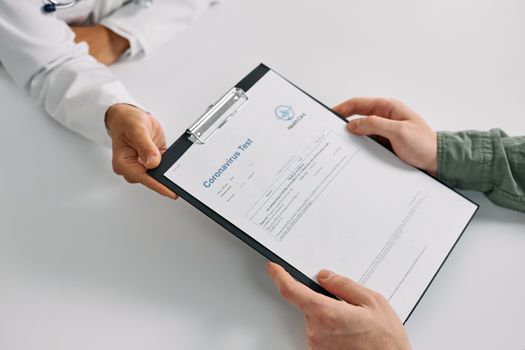 Photo: cottonbro studio / Pexels