
How to Treat a Common Cold Quickly: Your Rapid Recovery Guide
how to treat a common cold quickly

How to Treat a Common Cold Quickly: Your Rapid Recovery Guide

Unlock the secrets to faster cold recovery and reclaim your health with proven, expert-backed methods.

Start Feeling Better Now

Key Takeaways

  • ✓ The common cold is caused by viruses, primarily rhinoviruses, and antibiotics are ineffective.
  • ✓ Early intervention with rest and hydration is crucial for a quicker recovery.
  • ✓ Over-the-counter medications can manage symptoms but do not cure the cold itself.
  • ✓ Preventative measures like handwashing are the best defense against catching a cold.

How It Works

1
Recognize Early Symptoms

Identify the first signs like a scratchy throat or runny nose. Prompt action can potentially lessen the severity and duration of the cold.

2
Prioritize Rest and Hydration

Allow your body to direct energy towards fighting the infection. Drink plenty of fluids to thin mucus and prevent dehydration, which is vital for recovery.

3
Manage Symptoms Effectively

Utilize appropriate over-the-counter remedies for specific symptoms like congestion, fever, or pain. Always follow dosage instructions carefully.

4
Support Your Immune System

Incorporate immune-boosting strategies such as vitamin C, zinc, and warm liquids. A strong immune system is your best ally against viral infections.

Understanding the Common Cold: Why Speed Matters

A woman lying in bed sneezing, illustrating symptoms of a cold or flu. Photo: Andrea Piacquadio / Pexels
The common cold, a ubiquitous viral infection of the nose and throat, is an unwelcome guest that can disrupt daily life. While generally harmless, its symptoms—including runny nose, sore throat, sneezing, coughing, and body aches—can be debilitating and significantly impact productivity and well-being. Understanding the etiology of the common cold is the first step in effective management. It's almost exclusively caused by viruses, with over 200 different types identified, rhinoviruses being the most frequent culprits. Because it's viral, antibiotics, which target bacteria, are entirely ineffective. This crucial distinction often leads to misuse of antibiotics, contributing to antibiotic resistance, a serious public health concern. Therefore, the focus on how to treat a common cold quickly shifts from eradication to symptom management and bolstering the body's natural defenses to expedite recovery. The desire to shorten the duration of a cold isn't just about comfort; it's about minimizing lost work or school days, reducing the risk of secondary bacterial infections (like sinusitis or bronchitis), and preventing further spread of the virus to others. Early intervention, as soon as the first sniffle or scratchy throat appears, can make a significant difference. Many people mistakenly wait until symptoms are severe before taking action, missing a critical window where supportive measures can have the greatest impact. For instance, initiating hydration and rest at the very onset can prevent the cold from taking a firmer hold. The average adult experiences two to four colds annually, while children may have six to ten. This frequency underscores the importance of efficient and rapid treatment strategies. Each cold episode represents a period of discomfort and reduced functionality, making the quest for quick relief a priority for millions. Furthermore, the economic impact of the common cold, through lost productivity and healthcare costs, is substantial. By implementing strategies to shorten its course, individuals can mitigate these personal and societal burdens. This article delves into evidence-based approaches to not just manage cold symptoms, but to genuinely help your body overcome the infection faster. We'll explore everything from immediate interventions to lifestyle adjustments that support a rapid return to health, empowering you with the knowledge to tackle your next cold proactively and effectively. Understanding viral infections is key to appreciating why these strategies are so vital.

Immediate Interventions: How to Treat a Common Cold Quickly at Onset

A man wrapped in a blanket, checking a thermometer while convalescing indoors. Photo: Gustavo Fring / Pexels
When you first feel a cold coming on, immediate action can significantly influence its severity and duration. The goal here is to hit the cold hard and fast, leveraging your body's immune response and supportive measures. One of the most critical immediate interventions is adequate rest. Your immune system works tirelessly to fight off invaders, and this process demands a lot of energy. Pushing through a cold by continuing with a demanding schedule only diverts resources away from your immune response, potentially prolonging the illness. Aim for at least 7-9 hours of sleep, and consider naps if possible. This isn't just about feeling better; it's about providing your body with the optimal environment for recovery. Alongside rest, hydration is paramount. Viruses thrive in dry environments, and dehydration can exacerbate symptoms like sore throat and congestion, making mucus thicker and harder to clear. Drink plenty of fluids throughout the day: water, clear broths, herbal teas, and electrolyte-rich beverages are excellent choices. Warm liquids, in particular, can soothe a sore throat and help clear nasal passages. Avoid caffeinated and alcoholic beverages, as they can contribute to dehydration. Another immediate strategy involves nasal care. Saline nasal sprays or rinses, such as neti pots, can be incredibly effective in flushing out viral particles and irritants from nasal passages, reducing congestion, and soothing inflamed membranes. Using these regularly from the onset can prevent mucus from building up and becoming a breeding ground for secondary infections. Ensure you use distilled, sterile, or previously boiled water for nasal rinses to prevent introducing harmful microorganisms. Gargling with warm salt water several times a day can also provide immediate relief for a sore throat. The salt helps to draw out excess fluid from inflamed tissues, reducing swelling and discomfort. Simply dissolve half a teaspoon of salt in 8 ounces of warm water and gargle for 30 seconds before spitting it out. For symptomatic relief, over-the-counter (OTC) medications can play a crucial role. Pain relievers like ibuprofen (Advil, Motrin) or acetaminophen (Tylenol) can reduce fever, headaches, and body aches. Decongestants, available as pills or nasal sprays, can alleviate stuffiness, but nasal spray decongestants should only be used for a few days to avoid rebound congestion. Antihistamines might help with sneezing and runny nose, especially if cold symptoms mimic allergies. It's vital to read labels carefully to avoid combining medications with similar active ingredients, which can lead to accidental overdose. Always consult a pharmacist or doctor if you have underlying health conditions or are taking other medications. Starting these interventions at the very first sign of a cold can significantly reduce the severity and duration of symptoms, helping you recover faster.

Sustained Strategies for Expedited Cold Recovery and Symptom Alleviation

Close-up of vitamins, pills, and dried orange slice for cold relief. Photo: Gundula Vogel / Pexels
Beyond immediate interventions, a sustained approach focusing on immune support and continuous symptom management is vital for expedited cold recovery. This involves a combination of nutritional strategies, environmental adjustments, and mindful self-care. Boosting your immune system through diet is a long-term strategy that also pays dividends during a cold. While specific foods won't cure a cold, certain nutrients can support your immune response. Vitamin C, found in citrus fruits, bell peppers, and broccoli, is a well-known immune booster. While studies on its ability to prevent colds are mixed, consistent intake might slightly shorten the duration or lessen the severity of symptoms. Zinc, present in meats, nuts, and legumes, is another critical mineral for immune function. Some research suggests that zinc lozenges or syrup, taken within 24 hours of cold symptom onset, can shorten the duration of a cold. However, excessive zinc intake can be harmful, so always adhere to recommended dosages. Herbal remedies like elderberry and echinacea have also gained popularity for their purported immune-boosting properties. While scientific evidence varies, many individuals report positive effects. Elderberry, in particular, has shown some promise in reducing cold and flu duration and severity in certain studies. Always consult with a healthcare provider before starting any new supplements, especially if you have existing health conditions or are on other medications. Environmental factors play a significant role in comfort and recovery. Maintaining a comfortable humidity level in your home, especially in the bedroom, can help soothe irritated nasal passages and a sore throat. A cool-mist humidifier adds moisture to the air, making it easier to breathe and reducing congestion. Ensure the humidifier is cleaned regularly to prevent mold and bacteria growth. Avoiding irritants like smoke, strong perfumes, and chemical fumes is also crucial, as these can further inflame your respiratory tract and prolong recovery. Good hygiene practices, such as frequent handwashing with soap and water for at least 20 seconds, are not just for prevention but also for preventing the spread of the virus to others in your household. If soap and water aren't available, an alcohol-based hand sanitizer with at least 60% alcohol can be used. Covering coughs and sneezes with a tissue or your elbow, rather than your hands, also minimizes transmission. For persistent coughs, consider using cough suppressants for dry coughs or expectorants for productive (mucus-producing) coughs, but only if they are significantly disrupting sleep or daily activities. Honey has also been shown to be an effective and natural cough suppressant, particularly for children over one year old. Remember, the goal is not just to feel better temporarily, but to support your body in eliminating the virus. This holistic approach, combining adequate rest, hydration, targeted nutrition, and environmental adjustments, creates the best conditions for a rapid and complete recovery. Learning about immune system boosters can further enhance your recovery efforts.

Lifestyle Adjustments and When to Seek Medical Attention
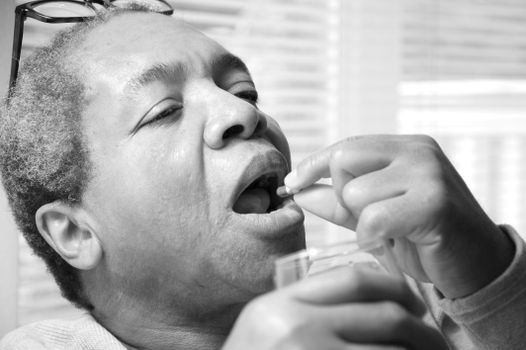
A senior man taking medicine with a glass of water indoors. Black and white photo. Photo: oscar Williams / Pexels
While most common colds resolve on their own, certain lifestyle adjustments can significantly contribute to a quicker recovery and overall well-being during illness. Moreover, understanding when to elevate your self-care to professional medical attention is paramount for preventing complications. During a cold, simplifying your daily routine is essential. Avoid strenuous physical activity, as it can tax your already working immune system and potentially prolong the illness. Listen to your body and prioritize low-stress activities. This might mean taking a break from work or school, or at least reducing your workload. Mental stress can also suppress the immune system, so engaging in relaxing activities like reading, light stretching, or meditation can be beneficial. Nutrition during a cold should focus on easily digestible, nutrient-dense foods. Warm soups, especially chicken noodle soup, are not just comforting; the steam helps clear nasal passages, and the broth provides hydration and electrolytes. Fruits and vegetables rich in vitamins and antioxidants support immune function. Avoid heavy, greasy, or sugary foods that can be harder to digest and might contribute to inflammation. Even when feeling unwell, try to maintain a regular, albeit gentle, sleep schedule. Consistent sleep patterns help regulate your body's natural rhythms and support immune function. Elevating your head with an extra pillow can help drain nasal passages and ease breathing during sleep. It's also crucial to monitor your symptoms closely. While common cold symptoms are typically mild, certain signs warrant a call to your doctor. These include: difficulty breathing or shortness of breath, persistent or high fever (103°F or higher), chest pain, severe sore throat that makes swallowing difficult, ear pain, severe headache, confusion, or symptoms that worsen or don't improve after 7-10 days. For children, additional warning signs include a bluish tint to the lips, refusal to drink fluids, unusual drowsiness, or a rash. These could indicate a secondary bacterial infection like pneumonia, bronchitis, sinusitis, or strep throat, which may require antibiotics or other specific medical treatments. Knowing when to seek professional help ensures that potential complications are addressed promptly, preventing a prolonged illness or more serious health issues. Always trust your instincts; if something feels wrong, it's always best to consult a healthcare professional. Preventative measures, though not a treatment, play a critical role in managing cold frequency. Consistent hand hygiene, avoiding touching your face, and staying away from sick individuals are the best ways to reduce your risk of future infections, completing the cycle of proactive health management.

Comparison

FeatureRest & HydrationOTC Symptom ReliefHerbal SupplementsAntibiotics
Directly Fights VirusIndirectly (supports immune)NoPotentially (immune support)No
Symptom ReliefModerate (soothes)HighModerate (some symptoms)No
Shortens DurationLikelyNo (manages symptoms)Possibly (some evidence)No
Side EffectsNonePossible (drowsiness, etc.)Mild (digestive upset)Significant (resistance, GI issues)
CostLowModerateModerate to HighHigh

What Readers Say

"This guide on how to treat a common cold quickly was a lifesaver! Focusing on rest and hydration from the first sniffle really made a difference. My cold was gone in just 3 days instead of the usual week."

Sarah J. · Austin, TX

"I always struggled with colds dragging on. The saline rinse tip and advice on zinc lozenges in this article helped me manage my symptoms so much better. I felt back to normal much faster this time."

Michael D. · Chicago, IL

"Following the advice to prioritize sleep and use a humidifier literally cut my cold duration in half. I used to just push through, but this detailed guide showed me how to treat a common cold quickly and effectively."

Emily R. · Seattle, WA

"The information on when to seek medical attention was particularly helpful. While I usually just tough it out, knowing the warning signs gave me peace of mind. Great, comprehensive advice."

David P. · Miami, FL

"As a parent, getting rid of a cold quickly is essential. The practical tips on hydration and using warm liquids were easy to implement for my whole family. We all recovered faster!"

Jessica L. · Denver, CO

Frequently Asked Questions

What is the fastest way to get rid of a common cold?

The fastest way to alleviate a common cold involves a multi-faceted approach focusing on immediate rest, abundant hydration, and early symptom management with over-the-counter medications. Supporting your immune system with proper nutrition and potentially certain supplements like zinc or Vitamin C from the onset can also significantly shorten the duration.

Are antibiotics effective for treating a common cold?

No, antibiotics are not effective for treating a common cold. Colds are caused by viruses, and antibiotics only work against bacterial infections. Using antibiotics unnecessarily can contribute to antibiotic resistance, a serious public health concern, and may cause side effects.

How can I quickly relieve a stuffy nose and sore throat?

To quickly relieve a stuffy nose, use saline nasal sprays or rinses, and consider a decongestant for short-term use. For a sore throat, gargle with warm salt water, drink warm liquids like tea with honey, and use throat lozenges or sprays. Humidifiers can also help soothe both symptoms.

Is it worth buying expensive cold remedies to shorten a cold?

Often, expensive cold remedies do not offer a significant advantage over basic, affordable strategies like rest, hydration, and common over-the-counter medications. While some supplements like zinc or elderberry show promise, their efficacy can vary, and it's best to consult a healthcare professional before investing heavily.

How does rest compare to medication for cold recovery?

Rest is arguably more critical than medication for cold recovery. While medications manage symptoms, rest allows your body to dedicate its full energy to fighting the viral infection. Medications provide temporary relief, but rest directly supports the immune system's ability to eliminate the virus, leading to a faster and more complete recovery.

Who should be most careful about common cold complications?

Individuals with weakened immune systems, infants and young children, the elderly, and those with chronic medical conditions (like asthma, COPD, or heart disease) should be most careful about common cold complications. They are at higher risk for secondary infections like pneumonia or bronchitis and should seek medical attention promptly if symptoms worsen or persist.

What are the risks of using too many cold medications?

Using too many cold medications or combining products with similar active ingredients carries risks such as accidental overdose, increased side effects (e.g., excessive drowsiness, elevated blood pressure), and potential interactions with other medications you might be taking. Always read labels carefully and consult a pharmacist or doctor.

Will new technologies or treatments emerge to cure the common cold?

Given the vast number of viruses that cause the common cold and their ability to mutate, a single 'cure' is unlikely in the near future. However, research continues into antiviral drugs that could target specific cold viruses, and advancements in immune-boosting therapies or broad-spectrum antivirals might offer more effective treatments or prevention strategies down the line.

Don't let a common cold slow you down. By understanding how to treat a common cold quickly with these expert strategies, you can empower your body to recover faster and get back to your best self. Implement these tips at the first sign of symptoms for a rapid and effective recovery.

Topics: how to treat a common cold quicklycold remedies fastshorten cold durationrelieve cold symptomsexpedite cold recovery
Leo List

IE Escorts NO Escorts US Escorts NZ Escorts AU Escorts
Brampton weed
Adultwork EstrelaBet Vai de Bet R7 Bet Betão Galera Bet Rainbet Bet9ja Shop SportyBet BetKing Sisal Loto Foot Hollywoodbets YesPlay Odibets RushBet Jugabet BetWarrior BetCity MSport betPawa Fortebet