
✓ Sciatica is nerve pain radiating down the leg from the lower back.
✓ It typically affects only one side of the body.
✓ Common causes include herniated discs, bone spurs, and spinal stenosis.
✓ Symptoms can range from mild aches to severe, debilitating pain.
How It Works
1
Recognize the Location
Sciatica pain originates in the lower back and extends through the buttock and down the back of one leg. This distinct pathway is a primary identifier.
2
Identify Pain Characteristics
The pain can vary from a mild ache to a sharp, burning sensation or excruciating discomfort. It often worsens with certain movements like coughing or sneezing.
3
Note Accompanying Symptoms
Beyond pain, individuals may experience numbness, tingling, or muscle weakness in the affected leg or foot. These neurological signs are crucial for diagnosis.
4
Seek Medical Evaluation
If you suspect sciatica, consult a healthcare professional for an accurate diagnosis. Early intervention can prevent chronic pain and further nerve damage.
What Exactly is Sciatica Nerve Pain?
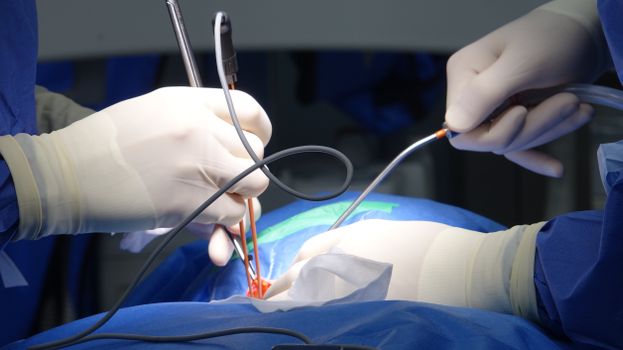
Photo: Viktors Duks / Pexels
Sciatica refers to pain that radiates along the path of the sciatic nerve, which branches from your lower back through your hips and buttocks and down each leg. Typically, sciatica affects only one side of your body. This common condition isn't a diagnosis in itself, but rather a symptom of an underlying problem affecting the sciatic nerve. Understanding the nature of this nerve is crucial to grasping the pain it can cause. The sciatic nerve is the longest and widest nerve in the human body, formed by the union of several spinal nerves in the lumbar and sacral regions. It plays a vital role in controlling muscles in the back of the knee and lower leg, and provides sensation to the back of the thigh, part of the lower leg, and the sole of the foot. When this nerve becomes compressed, irritated, or inflamed, the characteristic symptoms of sciatica emerge. The compression can occur due to various factors, including a herniated disc, bone spurs on the spine, or narrowing of the spine (spinal stenosis). In some cases, a tumor or other conditions can also put pressure on the sciatic nerve. It's important to distinguish sciatica from general back pain, as sciatica specifically involves the nerve pathway and often presents with symptoms extending beyond the back itself. While lower back pain is a common component, the defining feature of sciatica is its radiation into the leg. Recognizing this distinction is the first step toward proper diagnosis and effective treatment. Many people experience sciatica at some point in their lives, with prevalence rates varying but generally increasing with age. Lifestyle factors, certain occupations, and underlying medical conditions can also increase the risk. Early identification of the root cause of nerve pain is key to managing symptoms and preventing potential long-term complications. Ignoring these signals can lead to worsening pain and even permanent nerve damage in severe cases. This section lays the groundwork for understanding why the symptoms manifest the way they do, providing a comprehensive overview before diving into the specific sensations and signs to look out for.
The Hallmark Symptoms: Pain Characteristics and Location

Photo: Towfiqu barbhuiya / Pexels
The most defining symptom of sciatica is the pain itself, characterized by its specific location and nature. Sciatica pain typically originates in the lower back and radiates down through the buttock, and then down the back of one leg, sometimes even reaching the foot and toes. It rarely affects both legs simultaneously. The intensity of this pain can vary dramatically, from a mild ache or dull throb to a sharp, burning sensation, or even an electric-shock like jolt. Some individuals describe it as a searing pain, while others feel a constant, nagging discomfort. This variability often depends on the extent of nerve compression and the individual's pain threshold. It's common for the pain to worsen with specific movements or activities. For instance, prolonged sitting, standing, or walking can exacerbate the discomfort. Coughing, sneezing, or even laughing can also intensify the pain due to increased pressure within the spinal canal. Conversely, lying down or changing positions might offer some temporary relief. The pain might also be more pronounced at certain times of the day, often worsening at night, making sleep difficult and impacting overall quality of life. Understanding these nuances in pain presentation is crucial for both self-assessment and for providing accurate information to your healthcare provider. The exact path of the pain down the leg can also offer clues about which specific nerve roots are affected. For example, pain radiating down the outer thigh and calf might indicate involvement of the L5 nerve root, while pain traveling down the back of the thigh and calf could point to S1 nerve root compression. While self-diagnosis is not recommended, being observant of these specific patterns can aid your doctor in pinpointing the source of your discomfort. It's this distinct pattern of pain radiation that sets sciatica apart from other forms of back pain or leg pain.
Beyond Pain: Numbness, Tingling, and Muscle Weakness

Photo: Juan Manuel Montejano Lopez / Pexels
While pain is the most prominent symptom, sciatica often presents with a range of other neurological signs that are equally important for diagnosis. These accompanying symptoms are direct indicators of nerve irritation or damage. Numbness, often described as a 'pins and needles' sensation or a complete loss of feeling, is a common occurrence. This sensation can affect any part of the leg or foot along the sciatic nerve pathway, depending on which part of the nerve is compressed. It might feel like your leg or foot has 'fallen asleep,' but the sensation can persist for extended periods. This numbness is a critical sign that nerve signals are being disrupted. Similarly, tingling, often characterized as a prickling or buzzing sensation, frequently accompanies sciatica. This paresthesia can be intermittent or constant and can be particularly bothersome. It's another manifestation of altered nerve function due to compression or irritation. Both numbness and tingling can range from mild to severe, and their presence often indicates a more significant nerve involvement than pain alone. Muscle weakness in the affected leg or foot is another serious symptom of sciatica. This weakness can make it difficult to lift the foot (a condition known as 'foot drop'), stand on tiptoes, or even walk normally. When the nerve responsible for muscle control is compromised, the muscles it supplies can weaken. This can lead to balance issues, an increased risk of falls, and difficulty performing daily activities. If you experience progressive weakness, it's a sign that the nerve compression is significant and requires urgent medical attention. In severe cases, sciatica can lead to loss of bladder or bowel control (cauda equina syndrome), which is a medical emergency requiring immediate surgery. While rare, understanding the full spectrum of potential symptoms, including these neurological deficits, is vital for recognizing when to seek urgent care. A comprehensive understanding of these varied signs of nerve damage is essential for a complete picture of sciatica.
When to Seek Medical Attention and Important Tips

Photo: RDNE Stock project / Pexels
Recognizing the symptoms of sciatica is the first step, but knowing when to seek professional medical help is equally crucial. While many cases of sciatica resolve with conservative treatment within a few weeks, certain symptoms warrant immediate attention. If you experience sudden, severe pain in your lower back and leg, especially after an injury, it's important to see a doctor promptly. Progressive muscle weakness in the affected leg, making it difficult to walk or lift your foot, is another red flag. Loss of bowel or bladder control, accompanied by numbness or weakness in the inner thighs, buttocks, or genital area (a condition known as cauda equina syndrome), is a medical emergency and requires immediate medical attention. This rare but serious condition can lead to permanent nerve damage if not treated swiftly.
Here are some important tips for managing and identifying sciatica:
* **Keep Moving (Gently):** While rest can be tempting, prolonged bed rest can actually worsen sciatica. Gentle activities like walking, swimming, or specific stretches can help alleviate symptoms and strengthen supporting muscles.
* **Apply Heat or Cold:** Alternating between hot and cold packs can help reduce inflammation and ease pain. Use cold packs for the first 48-72 hours to reduce swelling, then switch to heat to relax muscles and increase blood flow.
* **Maintain Good Posture:** Poor posture, especially while sitting, can put undue pressure on your lower back and sciatic nerve. Use ergonomic chairs, adjust your computer screen, and take frequent breaks to stretch.
* **Avoid Heavy Lifting:** If your job or daily activities involve heavy lifting, use proper lifting techniques (lift with your legs, not your back) or seek assistance to prevent further strain on your spine.
* **Consider Over-the-Counter Pain Relief:** NSAIDs like ibuprofen or naproxen can help reduce pain and inflammation. Always follow dosage instructions and consult your doctor if you have underlying health conditions.
* **Strengthen Your Core:** A strong core (abdominal and back muscles) provides better support for your spine, reducing the risk of sciatica. Incorporate core-strengthening exercises into your routine.
* **Know Your Limits:** Listen to your body. If an activity exacerbates your pain, stop and rest. Pushing through severe pain can worsen the condition.
* **Regular Stretching:** Gentle stretches for the hamstrings, piriformis, and lower back can help relieve pressure on the sciatic nerve. Consult a physical therapist for appropriate exercises.
By being vigilant about these symptoms and proactive in your self-care, you can better manage sciatica and know when it's time to seek professional medical guidance.
Comparison
Symptom Type
Sciatica
General Lower Back Pain
Hamstring Strain
Pain Location
Lower back, buttock, down one leg
Confined to lower back
Back of thigh
Pain Quality
Sharp, burning, electric, shooting
Dull ache, stiffness
Tightness, sharp with movement
Radiating Pain
Yes, down leg to foot/toes
Rarely below knee
No, localized to hamstring
Numbness/Tingling
Common in leg/foot
Rare
No
Muscle Weakness
Common in leg/foot
Rare
Yes, in hamstring
Worsens with Cough/Sneeze
✓
✗
✗
Affected Side
Typically one side
Can be one or both
Typically one side
What Our Readers Say
5★★★★★
"I had this terrible shooting pain from my lower back all the way down my right leg. Reading about the specific symptoms of sciatica nerve pain here helped me realize it wasn't just a muscle cramp and prompted me to see my doctor."
Sarah J.Austin, TX
5★★★★★
"The description of the tingling and numbness in my foot, along with the burning sensation, perfectly matched what I was feeling. This article was a lifesaver in helping me understand my symptoms."
Mark D.Chicago, IL
5★★★★★
"After experiencing severe pain when coughing, I found this guide. It helped me identify that my leg pain was likely sciatica, and with early diagnosis, I've started physical therapy and feel much better."
Emily R.Denver, CO
4★★★★☆
"While the article was incredibly thorough on the symptoms of sciatica nerve pain, I wish there was a bit more detail on immediate at-home relief tactics. Still, it accurately described my discomfort."
David L.Miami, FL
5★★★★★
"I thought my leg pain was just from running, but the radiating pain and muscle weakness described here made me reconsider. It led me to get a proper diagnosis and treatment for my sciatica."
Jessica M.Seattle, WA
Frequently Asked Questions
What are the most common symptoms of sciatica nerve pain?
The most common symptoms include pain radiating from the lower back through the buttock and down one leg, often described as sharp, burning, or shooting. This pain can be accompanied by numbness, tingling, or muscle weakness in the affected leg or foot, and typically worsens with prolonged sitting, coughing, or sneezing.
Can sciatica affect both legs?
While sciatica typically affects only one leg, it is possible, though less common, for it to affect both legs simultaneously. This usually indicates a more significant compression of the sciatic nerve or a problem affecting nerve roots on both sides of the spine, such as severe spinal stenosis or cauda equina syndrome.
How can I relieve sciatica pain at home?
To relieve sciatica pain at home, apply heat or cold packs to the affected area, try gentle stretches for your lower back and hamstrings, maintain good posture, and consider over-the-counter pain relievers like NSAIDs. Gentle movement and avoiding prolonged sitting are also beneficial. Consult a doctor if pain persists or worsens.
Is sciatica a serious condition?
Most cases of sciatica are not serious and resolve with conservative treatment. However, it can be serious if accompanied by progressive muscle weakness, loss of bladder or bowel control, or severe, sudden pain after an injury. These symptoms warrant immediate medical attention as they could indicate a medical emergency.
How does sciatica differ from general back pain?
Sciatica specifically involves pain that radiates along the sciatic nerve pathway, extending from the lower back down into the leg. General back pain, on the other hand, is usually localized to the back itself and does not typically involve the radiating pain, numbness, or tingling sensations that characterize sciatica.
Who is most at risk for developing sciatica?
Individuals over 30-50 years old, those with occupations involving heavy lifting or prolonged sitting, people with diabetes, obesity, or a sedentary lifestyle are at higher risk. Smoking and certain degenerative spinal conditions like herniated discs or spinal stenosis also increase the risk of sciatica.
What are the risks of ignoring sciatica symptoms?
Ignoring sciatica symptoms can lead to chronic pain, increased nerve damage, and potentially permanent neurological deficits such as persistent numbness, tingling, or muscle weakness. In severe cases, it can result in 'foot drop' or, rarely, cauda equina syndrome, which requires urgent surgical intervention.
What are emerging treatments for sciatica nerve pain?
Beyond traditional treatments, emerging options for sciatica include minimally invasive surgical techniques, targeted nerve blocks, regenerative medicine approaches like platelet-rich plasma (PRP) therapy, and advanced pain management strategies. Research is also exploring new pharmacological agents and neuromodulation techniques to better manage chronic sciatica.
If you are experiencing any of the symptoms of sciatica nerve pain, understanding these signs is your first step towards relief. Don't let discomfort dictate your life; consult with a healthcare professional to get an accurate diagnosis and begin your journey toward recovery today.