Virtual Therapy Sessions for Depression: Your Path to Healing
virtual therapy sessions for depression

Virtual Therapy Sessions for Depression: Your Path to Healing

Access professional mental health support from the comfort and privacy of your home, transforming your approach to depression management.

Start Your Journey

Key Takeaways

  • ✓ Virtual therapy is as effective as in-person therapy for treating depression.
  • ✓ Accessibility is significantly increased, especially for those in rural areas or with mobility issues.
  • ✓ Many insurance plans now cover virtual mental health services.
  • ✓ Privacy and comfort of your own home can enhance the therapeutic process.

How It Works

1
Find a Qualified Therapist

Utilize online directories, insurance provider lists, or reputable platforms to locate licensed therapists specializing in depression. Ensure they are licensed in your state.

2
Schedule Your First Session

Most platforms offer easy online scheduling. You'll typically complete an intake form detailing your history and current concerns before your initial appointment.

3
Connect Securely Online

Join your session via a secure, HIPAA-compliant video conferencing platform. Ensure you have a stable internet connection and a private space free from distractions.

4
Engage in Therapy

Work with your therapist on personalized strategies, coping mechanisms, and treatment plans. This often involves talk therapy, cognitive behavioral techniques, or other evidence-based approaches.

Understanding Depression and the Need for Accessible Care

A woman sitting on a sofa holding her head, expressing stress and frustration indoors. Photo: MART PRODUCTION / Pexels
Depression is more than just feeling sad; it's a serious mood disorder that affects how you feel, think, and handle daily activities, such as sleeping, eating, or working. According to the National Institute of Mental Health (NIMH), an estimated 21.0 million adults in the United States had at least one major depressive episode in 2021, representing 8.3% of all U.S. adults. This staggering statistic underscores the widespread impact of depression and the critical need for effective and accessible treatment options. Symptoms can range from persistent sadness, loss of interest in activities once enjoyed, changes in appetite or sleep, fatigue, feelings of worthlessness or guilt, difficulty concentrating, and even thoughts of self-harm. Recognizing these symptoms is the first step towards seeking help. However, traditional barriers to care, such as geographical distance, lack of transportation, inflexible work schedules, stigma, and the sheer effort required to leave home when struggling with depression, often prevent individuals from accessing the support they desperately need. This is where virtual therapy sessions for depression emerge as a transformative solution. By removing many of these logistical and emotional hurdles, online therapy opens doors for countless individuals to begin their healing journey. It allows people to connect with licensed mental health professionals from the comfort and privacy of their own homes, at times that are convenient for them. This increased accessibility is not just a matter of convenience; it’s a matter of equity and ensuring that mental health care is within reach for everyone, regardless of their circumstances. The ability to engage in therapy without the added stress of commuting or navigating public spaces can be particularly beneficial for those whose depression makes leaving the house a significant challenge. Furthermore, for individuals in rural areas where mental health specialists are scarce, virtual platforms bridge the gap, providing access to a broader network of qualified therapists. Understanding the profound impact of depression and the traditional obstacles to treatment highlights the indispensable role that virtual therapy plays in modern mental healthcare. It’s not merely an alternative; for many, it’s the only viable path to consistent and effective support. The shift towards telehealth has been accelerated by recent global events, but its benefits for depression treatment are long-standing and well-documented, offering a beacon of hope for those navigating the complexities of this challenging condition. Learn more about mental health resources.

The Efficacy and Benefits of Online Therapy for Depression

Medical professional in teal scrubs using a laptop and headset, sitting at a desk in an office setting. Photo: https://kaboompics.com/ / Pexels
A common question regarding virtual therapy is its effectiveness compared to traditional in-person sessions. Numerous studies and meta-analyses have consistently shown that virtual therapy, particularly for conditions like depression, is just as effective as face-to-face therapy. The core components of successful therapy—the therapeutic relationship, evidence-based techniques, and consistent engagement—remain robustly present in a virtual setting. Therapists utilize the same proven modalities, such as Cognitive Behavioral Therapy (CBT), Dialectical Behavior Therapy (DBT), Interpersonal Therapy (IPT), and psychodynamic approaches, adapting them for the online environment. The benefits extend beyond mere effectiveness. One of the primary advantages is unparalleled convenience. Individuals can schedule sessions around their work, family, and personal commitments without the added time and stress of travel. This flexibility often leads to higher attendance rates and greater consistency in treatment, which are crucial for managing depression effectively. The comfort and familiarity of one's own home can also create a more relaxed and open environment, potentially making it easier for some individuals to discuss sensitive topics. For those struggling with social anxiety or agoraphobia, which can often co-occur with depression, virtual therapy eliminates the anxiety associated with leaving home and interacting in new environments. Moreover, virtual platforms often provide a wider selection of therapists, allowing individuals to find a specialist who aligns perfectly with their needs, preferences, and cultural background, regardless of geographical location. This expanded choice can lead to a better therapeutic match, which is a significant predictor of treatment success. Privacy is another key benefit; while in-person clinics strive for discretion, the home environment offers an unmatched level of personal privacy. Secure, HIPAA-compliant platforms ensure that all communications are confidential, protecting sensitive personal health information. The cost-effectiveness can also be a factor, as virtual therapy often eliminates travel expenses and can sometimes be more affordable than in-person options, especially with increasing insurance coverage. In essence, virtual therapy for depression doesn't just replicate traditional therapy; it enhances it by offering a more flexible, accessible, and often more comfortable pathway to mental wellness, proving itself as a powerful tool in the fight against depression. The integration of technology into mental health care is not just a temporary trend but a fundamental shift towards more patient-centered and accessible treatment models.

Choosing the Right Virtual Therapist and Platform
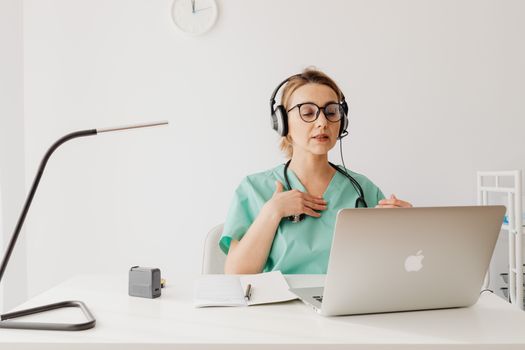
Doctor in a green scrub conducting an online video consultation using a laptop and headphones. Photo: https://kaboompics.com/ / Pexels
Navigating the landscape of virtual therapy can feel overwhelming, but selecting the right therapist and platform is a crucial step towards effective treatment for depression. The first consideration should always be the therapist's credentials and specialization. Ensure the therapist is licensed in your state, as regulations vary, and verify their experience in treating depression. Look for professionals who employ evidence-based practices like CBT, DBT, or psychodynamic therapy, as these approaches have a strong track record of success. Many platforms allow you to filter therapists by their specialties, therapeutic approaches, and even cultural background, which can be invaluable for finding a good fit. When evaluating platforms, prioritize those that are HIPAA-compliant, ensuring your privacy and the security of your personal health information. Reputable platforms will clearly outline their security measures and privacy policies. Consider the platform's user interface – is it intuitive and easy to navigate? A clunky or unreliable platform can add unnecessary stress to your therapy experience. Look for features like easy scheduling, secure video conferencing, and options for messaging your therapist between sessions if that's something you value. Cost and insurance coverage are also significant factors. Before committing, understand the fee structure: is it per session, a monthly subscription, or does it vary? Crucially, check if your health insurance plan covers virtual therapy sessions for depression. Many insurers have expanded their coverage for telehealth services, but it's essential to confirm your specific benefits. Some platforms work directly with insurance providers, while others may require you to submit claims for reimbursement. Don't hesitate to utilize initial consultations, which many therapists offer for free or at a reduced rate. This allows you to gauge rapport, ask questions about their approach, and determine if their style aligns with your needs before committing to ongoing sessions. A strong therapeutic alliance—the relationship between you and your therapist—is a primary predictor of successful outcomes, so finding someone you feel comfortable and understood by is paramount. Finally, consider the flexibility of scheduling. Does the platform and therapist offer appointment times that genuinely fit into your life, including evenings or weekends if necessary? The goal is to remove barriers, not create new ones. By carefully considering these factors, you can make an informed decision that sets the stage for a positive and productive virtual therapy experience. Explore different therapy modalities.

Maximizing Your Virtual Therapy Experience: Tips and Common Pitfalls

Medical worker in lab coat writing notes in a clinic setting. Photo: SHVETS production / Pexels
To get the most out of your virtual therapy sessions for depression, preparation and proactive engagement are key. Here are some tips to enhance your experience and common pitfalls to avoid: **Tips for Success:** * **Create a Dedicated Space:** Choose a quiet, private, and comfortable area in your home where you won't be interrupted. This helps create a professional and focused atmosphere, mimicking an in-person office. * **Ensure Technical Readiness:** Test your internet connection, camera, and microphone before each session. A stable connection and working equipment prevent frustrating technical glitches that can disrupt your flow. * **Minimize Distractions:** Turn off notifications on your phone and computer, inform household members you're in a session, and close unnecessary browser tabs. Your full attention is crucial for productive therapy. * **Be Open and Honest:** Just as in traditional therapy, the more transparent you are with your therapist, the more effectively they can help you. Don't hold back on your feelings or experiences. * **Take Notes:** Jot down key insights, coping strategies, or homework assignments discussed during your session. Reviewing these later can reinforce learning and help you apply new skills. * **Follow Through on Homework:** Many therapists assign exercises or reflections between sessions. Completing these is vital for integrating what you learn into your daily life and accelerating progress. * **Communicate Technical Issues:** If you experience any technical difficulties during a session, immediately inform your therapist. They can often guide you through troubleshooting or suggest alternatives. **Common Pitfalls to Avoid:** * **Multitasking During Sessions:** Trying to do other tasks (e.g., checking emails, cooking) while in therapy diminishes its effectiveness and can be disrespectful to your therapist. * **Lack of Privacy:** Conducting sessions in a public or semi-public space compromises confidentiality and your ability to speak freely. * **Poor Internet Connection:** A consistently unreliable connection can lead to dropped calls, poor audio/video quality, and overall frustration, hindering the therapeutic process. * **Not Setting Boundaries:** Informing family or housemates about your session times can prevent interruptions. Treat it as a sacred time for your mental health. * **Expecting Instant Results:** Therapy is a process, and healing from depression takes time and consistent effort. Be patient with yourself and the therapeutic journey. * **Hesitation to Switch Therapists:** If you don't feel a strong connection or believe the therapist isn't a good fit after a few sessions, it's okay to seek a different professional. The therapeutic alliance is paramount. By being mindful of these tips and avoiding common pitfalls, you can significantly enhance the efficacy of your virtual therapy sessions for depression, paving a clearer path towards improved mental well-being.

Comparison

FeatureVirtual TherapyIn-Person TherapySelf-Help Apps
AccessibilityHigh (from anywhere)Moderate (location-dependent)Very High (anytime)
ConvenienceVery High (flexible scheduling)Moderate (travel required)Very High (on-demand)
Therapeutic RelationshipStrong (via video)Very Strong (face-to-face)Limited/None
Evidence-Based Treatment✗ (varies widely)
Privacy/ConfidentialityHigh (secure platforms)High (clinic setting)Moderate (data usage concerns)
Cost (avg. per session)$75-$200$100-$250$0-$60/month

What Readers Say

"Virtual therapy has been a game-changer for my depression. I can connect with my therapist from my living room, which makes it so much easier to stay consistent, especially on days when getting out of bed feels impossible. I've learned so many valuable coping strategies."

Sarah J. · Austin, TX

"I was skeptical at first, but virtual therapy sessions for depression have proven incredibly effective. My therapist is fantastic, and the convenience means I never miss an appointment. My mood and overall outlook have significantly improved."

Mark D. · Denver, CO

"After years of struggling to find a therapist who specialized in my specific issues and fit my schedule, virtual therapy provided the perfect solution. Within three months, my depressive episodes became less frequent and less severe, a result I hadn't achieved with traditional therapy."

Emily R. · Miami, FL

"While I sometimes miss the in-person connection, the accessibility of virtual therapy for my depression far outweighs that. It's allowed me to maintain consistent care during a very demanding period in my life, and I'm grateful for that flexibility."

David L. · Chicago, IL

"As a busy working mother, finding time for self-care was always a struggle. Virtual therapy sessions for depression fit perfectly into my life, allowing me to prioritize my mental health without sacrificing family time or work commitments. It's truly empowering."

Jessica M. · Seattle, WA

Frequently Asked Questions

Is virtual therapy for depression as effective as in-person therapy?

Yes, numerous studies and clinical research have demonstrated that virtual therapy is just as effective as traditional in-person therapy for treating depression. The key factors for success, such as the therapeutic relationship and evidence-based techniques, translate well to the online environment, providing comparable outcomes for patients.

Is my privacy protected during virtual therapy sessions?

Reputable virtual therapy platforms and licensed therapists are legally and ethically bound to protect your privacy. They utilize HIPAA-compliant, secure video conferencing tools and encryption to ensure that your sessions and personal health information remain confidential and protected from unauthorized access.

How do I choose the right virtual therapist for my depression?

Start by looking for a licensed therapist specializing in depression and using evidence-based approaches like CBT or DBT. Consider their experience, therapeutic style, and ensure they are licensed in your state. Many platforms offer initial consultations, allowing you to assess rapport before committing.

How much do virtual therapy sessions for depression cost, and is it covered by insurance?

The cost of virtual therapy can vary widely, typically ranging from $75 to $200 per session, depending on the therapist's qualifications and location. Many insurance plans, including Medicare and Medicaid in some states, now cover virtual mental health services. It's crucial to check with your specific insurance provider for details on your coverage.

What are the main differences between virtual therapy and self-help apps for depression?

Virtual therapy involves live, interactive sessions with a licensed mental health professional who provides personalized treatment, diagnosis, and ongoing support. Self-help apps, while helpful for supplemental support, typically offer pre-programmed exercises, mindfulness tools, or journaling prompts and do not provide the individualized, clinical care of a trained therapist.

Who should consider virtual therapy sessions for depression?

Virtual therapy is an excellent option for individuals experiencing symptoms of depression who seek convenient, accessible, and flexible treatment. It's particularly beneficial for those with busy schedules, limited access to local therapists, mobility challenges, or those who prefer the comfort and privacy of their own home for therapy.

Are there any risks or downsides to virtual therapy for depression?

While highly effective, potential downsides include reliance on a stable internet connection, the absence of in-person non-verbal cues (though therapists are trained to compensate), and the need for a private space. For severe cases of depression with acute safety concerns, in-person care or a blended approach might be more appropriate, and this should be discussed with a professional.

What future trends can we expect in virtual therapy for depression?

The future of virtual therapy for depression is likely to see further integration of AI-powered tools for personalized exercises, enhanced virtual reality (VR) environments for exposure therapy, and more seamless integration with wearable tech for biometric data. We can also anticipate continued expansion of insurance coverage and global accessibility.

Don't let depression dictate your life any longer. Virtual therapy sessions offer a convenient, effective, and private pathway to healing and improved well-being. Take the courageous step today to explore how professional support, accessible from your own home, can empower you on your journey to a brighter future.

Topics: virtual therapy sessions for depressiononline counseling for depressiontelehealth mental healthremote depression treatmentonline psychotherapy
Leo List

DK Escorts LU Escorts AT Escorts SE Escorts FI Escorts CH Escorts DE Escorts HR Escorts IE Escorts GR Escorts CZ Escorts NO Escorts BE Escorts FR Escorts SI Escorts IL Escorts NL Escorts PL Escorts HU Escorts ES Escorts IT Escorts PT Escorts SK Escorts RO Escorts ZA Escorts UY Escorts US Escorts UK Escorts NZ Escorts AU Escorts
Brampton weed
Adultwork EstrelaBet Vai de Bet R7 Bet Betão Galera Bet Rainbet Bet9ja Shop SportyBet BetKing Sisal Loto Foot Hollywoodbets YesPlay Odibets RushBet Jugabet BetWarrior BetCity MSport betPawa Fortebet