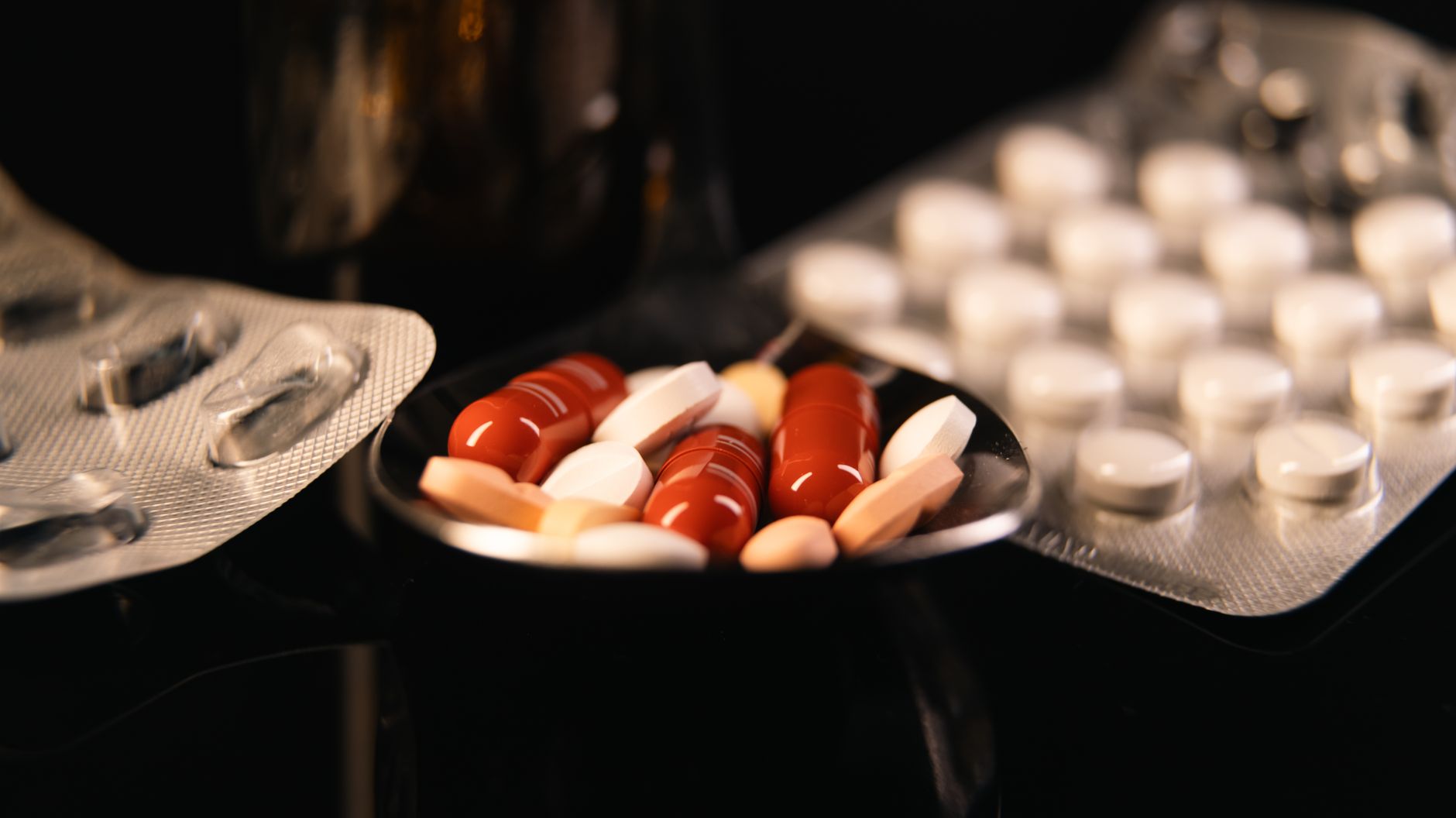
What Are the Side Effects of Statins? Your Guide to Safety
what are the side effects of statins

What Are the Side Effects of Statins? Your Guide to Safety

Navigate the potential side effects of statin medications with this expert-led, patient-focused guide to informed choices.

Understand Your Medication

Key Takeaways

  • ✓ Muscle pain and weakness are the most common statin side effects, affecting 1-10% of users.
  • ✓ Serious side effects like rhabdomyolysis or liver damage are rare but require immediate medical attention.
  • ✓ Many reported side effects are mild and can be managed through dosage adjustments or switching statins.
  • ✓ The cardiovascular benefits of statins often outweigh the risks for individuals with high cholesterol or heart disease.

How It Works

1
Understand Your Prescription

Learn the specific statin prescribed, its dosage, and the reasons your doctor recommended it. Knowledge is your first line of defense.

2
Monitor for Symptoms

Pay close attention to your body for any new or unusual symptoms, especially muscle aches, weakness, or unexplained fatigue. Early detection is key.

3
Communicate with Your Doctor

Report any potential side effects to your healthcare provider promptly. Do not stop taking your medication without their guidance.

4
Explore Management Strategies

Work with your doctor to explore solutions, which might include dosage changes, switching statins, or lifestyle adjustments to alleviate symptoms.

Understanding the Common Side Effects of Statin Therapy

A female doctor consulting a patient in a modern medical office setting. Photo: cottonbro studio / Pexels
Statins are a class of drugs widely prescribed to lower cholesterol levels and reduce the risk of heart disease and stroke. While highly effective for many, it's natural to wonder, 'what are the side effects of statins?' Understanding these potential effects is crucial for patients to make informed decisions and manage their health proactively. The most frequently reported side effects are generally mild and include muscle pain, tenderness, or weakness, often referred to as statin-associated muscle symptoms (SAMS). These can range from a mild ache to more significant discomfort and typically affect large muscle groups like the thighs, buttocks, and calves. The prevalence of SAMS varies, with estimates ranging from 1% to 10% in clinical trials, but potentially higher in observational studies and real-world settings. The exact mechanism behind statin-induced muscle pain isn't fully understood, but theories include effects on mitochondrial function, coenzyme Q10 depletion, and genetic predispositions. For instance, certain genetic variations, particularly in the SLCO1B1 gene, have been linked to an increased risk of muscle problems. Patients often describe the pain as a dull ache or stiffness, sometimes exacerbated by physical activity. It's important to differentiate this from general muscle soreness, as statin-related pain tends to be persistent and can appear weeks or months after starting the medication. Beyond muscle issues, other common, albeit less frequent, side effects include digestive problems such as nausea, diarrhea, or constipation. Headaches and dizziness have also been reported by some individuals. These gastrointestinal issues are usually transient and can often be mitigated by taking the medication with food or adjusting the timing of the dose. In some cases, patients might experience a slight increase in blood sugar levels, which could be a concern for those at risk of developing type 2 diabetes or those already managing the condition. While this effect is generally small, it's a factor that healthcare providers consider, especially when weighing the overall benefits and risks for individual patients. It’s vital for anyone experiencing these symptoms to communicate openly with their healthcare provider. Self-diagnosing or discontinuing medication without medical advice can lead to serious health complications, as the benefits of statins in preventing cardiovascular events are substantial for many individuals. A doctor can help determine if the symptoms are indeed related to the statin and explore appropriate management strategies, which might include dosage adjustments, switching to a different statin, or considering alternative lipid-lowering therapies. For more information on managing your cardiovascular health, consider reading about heart-healthy lifestyle choices.

Navigating Rarer but More Serious Statin Risks

While the majority of statin side effects are mild and manageable, a small percentage of individuals may experience more serious, albeit rare, adverse reactions. Awareness of these potential risks is paramount for patient safety and prompt medical intervention. One of the most severe muscle-related side effects is rhabdomyolysis. This condition involves the rapid breakdown of muscle tissue, releasing muscle fibers into the bloodstream. These substances can be harmful to the kidneys, potentially leading to kidney failure. Symptoms of rhabdomyolysis include severe muscle pain, tenderness, weakness, dark-colored urine (tea-colored), and general malaise. While extremely rare, affecting less than 0.1% of statin users, it is a medical emergency requiring immediate hospitalization. Factors that can increase the risk of rhabdomyolysis include high statin doses, advanced age, untreated hypothyroidism, and interactions with other medications, particularly certain antifungals, antibiotics, and protease inhibitors. Liver damage is another serious, though infrequent, concern. Statins can occasionally cause an increase in liver enzymes, indicated by blood tests. Significant elevations in liver enzymes (more than three times the upper limit of normal) are uncommon and usually resolve when the statin is discontinued. Symptoms of liver problems can include unusual fatigue, loss of appetite, dark urine, yellowing of the skin or eyes (jaundice), and upper right abdominal pain. Routine monitoring of liver function tests is often recommended, especially at the initiation of therapy and during dose adjustments, though the frequency of monitoring has become less stringent as research has shown serious liver injury to be very rare. Neurological side effects, such as memory loss or confusion, have also been reported by some statin users. The evidence linking statins directly to cognitive impairment is mixed and remains a topic of ongoing research. Most studies have not found a consistent association, and some even suggest a protective effect of statins against dementia. However, individual experiences can vary, and any new or worsening cognitive symptoms should be discussed with a healthcare provider. Furthermore, there's a very small risk of developing interstitial lung disease, characterized by progressive scarring of lung tissue, though this is exceedingly rare and often difficult to distinguish from other causes. Lastly, hemorrhagic stroke, a type of stroke caused by bleeding in the brain, has been observed in a small number of patients taking statins, particularly at very high doses. However, it’s crucial to remember that statins significantly reduce the risk of ischemic stroke (caused by a blood clot), which is far more common. The overall benefit of statins in preventing cardiovascular events, including most strokes, generally outweighs this rare risk for the appropriate patient population. Patients must be vigilant and report any concerning symptoms to their doctor without delay. Understanding these potential, albeit rare, severe risks allows for timely diagnosis and management, ensuring the safest possible treatment journey.

Managing and Mitigating Statin Side Effects Effectively

For many individuals, the benefits of statin therapy in preventing heart attacks and strokes far outweigh the potential risks. However, managing and mitigating side effects is key to maintaining adherence and ensuring a positive treatment outcome. When a patient experiences side effects, the first step is always open communication with their healthcare provider. Never stop taking your statin without consulting your doctor, as this can lead to a rebound in cholesterol levels and an increased risk of cardiovascular events. One common strategy for managing muscle pain (SAMS) is to adjust the statin dose. Sometimes, a lower dose might still be effective in lowering cholesterol while reducing or eliminating muscle discomfort. Another approach is to switch to a different type of statin. Not all statins are the same; they have varying potencies, half-lives, and metabolic pathways, which means a patient might tolerate one statin better than another. For instance, some statins are more hydrophilic (water-soluble) while others are more lipophilic (fat-soluble), and this difference can influence how they are metabolized and the likelihood of side effects. For patients experiencing severe or persistent SAMS, intermittent dosing (e.g., taking the statin every other day or a few times a week) might be considered under strict medical supervision. While this approach can reduce side effects, it's important to note that it might also slightly reduce the cholesterol-lowering efficacy compared to daily dosing. Coenzyme Q10 (CoQ10) supplementation is often discussed in the context of statin-induced muscle pain. Statins can reduce the body's natural production of CoQ10, an antioxidant involved in energy production. Some studies suggest that CoQ10 supplements might help alleviate muscle pain for some individuals, though the evidence is not universally conclusive. It's important to discuss any supplements with your doctor to ensure they are safe and won't interact with your medications. Lifestyle modifications also play a crucial role. A heart-healthy diet, regular exercise (within comfortable limits), and maintaining a healthy weight can all contribute to better cholesterol management and potentially allow for lower statin doses. For digestive issues like nausea or stomach upset, taking the statin with food or at a different time of day might help. If you're concerned about potential interactions, especially with grapefruit juice which can increase statin levels in the blood for some types of statins, always consult your pharmacist or doctor. Regular follow-up appointments with your doctor are essential to monitor your cholesterol levels, assess for side effects, and make any necessary adjustments to your treatment plan. This proactive approach ensures that the benefits of statin therapy are maximized while minimizing discomfort. For those seeking to understand more about medication management, a guide on safe medication practices can be highly beneficial.

Important Considerations and Tips for Statin Users

When taking statins, being an informed and proactive patient is your best defense against potential side effects and ensures the most effective treatment. Here are some critical considerations and practical tips: * **Be Honest and Detailed with Your Doctor:** When discussing side effects, be as specific as possible about the type of pain (dull ache, sharp, cramping), its location, when it started, and any factors that make it better or worse. This detailed information helps your doctor accurately assess the situation. * **Understand Drug Interactions:** Many medications, including over-the-counter drugs and herbal supplements, can interact with statins, potentially increasing the risk of side effects. Always inform your doctor and pharmacist about all medications and supplements you are taking. For example, certain antibiotics (like erythromycin and clarithromycin), antifungals (like ketoconazole and itraconazole), and HIV protease inhibitors can significantly elevate statin levels in your blood. Grapefruit and grapefruit juice can also interact with some statins (simvastatin, lovastatin, atorvastatin), increasing drug concentration and the risk of muscle problems. It's best to avoid grapefruit products if you are on these specific statins, or discuss it with your doctor if you are unsure. * **Lifestyle's Role:** While statins are powerful, they work best in conjunction with a heart-healthy lifestyle. A balanced diet low in saturated and trans fats, regular physical activity, maintaining a healthy weight, and avoiding smoking can significantly enhance the effectiveness of statins and potentially allow for lower doses, thereby reducing side effect risks. * **Don't Ignore Symptoms:** Even mild or seemingly insignificant symptoms should be reported. What might seem minor to you could be an early indicator of a more serious issue that can be addressed proactively. * **Never Self-Adjust Dose:** Altering your statin dosage or stopping the medication without medical guidance can have serious health consequences, including an increased risk of heart attack or stroke. * **Consider Genetic Testing (If Recommended):** For some individuals experiencing persistent or severe side effects, genetic testing (e.g., for the SLCO1B1 gene variant) might be an option to help predict their response to statins and guide treatment decisions. This is not routine but can be discussed with your doctor. * **Stay Hydrated:** While not a direct solution for statin side effects, good hydration is essential for overall muscle health and kidney function, which can be particularly relevant if muscle breakdown is a concern. * **Regular Monitoring:** Adhere to your doctor's recommendations for blood tests, which may include liver enzyme checks and cholesterol level monitoring, to ensure the medication is working effectively and safely. By staying informed and actively participating in your healthcare decisions, you can effectively manage statin therapy and minimize the impact of potential side effects, ensuring you receive the maximum cardiovascular benefit.

Comparison

FeatureStatin BenefitsCommon Side EffectsRare Serious Side Effects
Primary GoalLower LDL cholesterol, reduce heart attack/stroke riskTemporary discomfortUrgent medical attention needed
PrevalenceHigh success rate for risk reduction1-10% of users (muscle pain)<0.1% of users
Typical SymptomsImproved cardiovascular health markersMuscle aches, digestive upset, headacheSevere muscle pain, dark urine, jaundice
ManagementConsistent use, lifestyle changesDose adjustment, switch statin, CoQ10Immediate medical care, drug discontinuation

What Readers Say

"I was really worried about what are the side effects of statins, especially after reading things online. My doctor and this article helped me understand that while muscle pain is possible, it's often manageable. I've had no issues on my current dose and feel much better about my heart health."

Sarah J. · Austin, TX

"After a heart scare, my doctor prescribed a statin. Initially, I had some mild muscle aches, which this article helped me identify as a common side effect. We adjusted the dosage, and now I feel great, knowing I'm doing something proactive for my health."

David M. · Chicago, IL

"This guide was incredibly thorough about what are the side effects of statins. It helped me understand the difference between common and rare issues, which reduced my anxiety significantly. My cholesterol levels have improved dramatically since starting treatment."

Emily R. · Phoenix, AZ

"I experienced some minor digestive upset when I first started my statin. This article's advice about taking it with food helped a lot. While not completely gone, it's much better, and I appreciate the clarity on how to manage these common side effects."

Michael S. · Boston, MA

"As a healthcare professional, I found this article to be an excellent, well-balanced resource for patients concerned about what are the side effects of statins. It empowers individuals with knowledge without causing undue alarm, emphasizing communication with their doctor."

Jessica L. · Seattle, WA

Frequently Asked Questions

What is the most common side effect of statins?

The most common side effect of statins is muscle pain, tenderness, or weakness, often referred to as statin-associated muscle symptoms (SAMS). These symptoms can range from mild aches to more significant discomfort and typically affect large muscle groups like the thighs, buttocks, and calves. It's reported in 1-10% of users in clinical trials.

Can statins cause serious liver damage?

Serious liver damage from statins is rare. While statins can cause a slight increase in liver enzymes in some individuals, significant elevations (more than three times the upper limit of normal) are uncommon and usually resolve upon discontinuation of the medication. Regular monitoring of liver function tests is often done, especially at the start of treatment.

What should I do if I experience muscle pain while taking a statin?

If you experience muscle pain while taking a statin, it's crucial to contact your doctor immediately. Do not stop taking your medication without their guidance. Your doctor may suggest adjusting the dosage, switching to a different statin, or exploring other strategies to manage the discomfort, ensuring your cardiovascular health is still prioritized.

Are there alternatives to statins if side effects are too severe?

Yes, if statin side effects are too severe or unmanageable, your doctor may explore alternative lipid-lowering therapies. These can include other classes of medications like ezetimibe, PCSK9 inhibitors, or fibrates, depending on your specific cholesterol profile and cardiovascular risk factors. Lifestyle changes also play a significant role in managing cholesterol.

Do statins cause memory loss or cognitive impairment?

The evidence linking statins to memory loss or cognitive impairment is mixed and not consistently supported by research. While some individuals report these symptoms, large-scale studies have not found a clear, consistent association, and some even suggest a protective effect against dementia. Any new cognitive changes should be discussed with your healthcare provider.

Who should take statins?

Statins are typically prescribed for individuals with high LDL ('bad') cholesterol levels, those with a history of heart attack or stroke, or individuals at high risk for cardiovascular disease. The decision to prescribe statins is made by a doctor based on a comprehensive assessment of a patient's risk factors, cholesterol levels, and overall health profile.

Is rhabdomyolysis a common side effect of statins?

No, rhabdomyolysis is an extremely rare but very serious side effect of statins, affecting less than 0.1% of users. It involves rapid muscle breakdown and can lead to kidney failure. Symptoms include severe muscle pain, dark urine, and weakness, requiring immediate medical attention.

Will statins interact with other medications or foods?

Yes, statins can interact with certain medications (e.g., some antibiotics, antifungals, HIV protease inhibitors) and even some foods, like grapefruit juice (for specific statins like simvastatin, lovastatin, and atorvastatin). These interactions can increase statin levels in the blood, raising the risk of side effects. Always inform your doctor and pharmacist about all medications and supplements you are taking.

Understanding what are the side effects of statins is crucial for informed health decisions. If you have concerns or experience any symptoms, always consult your healthcare provider. Your proactive communication is key to managing your cardiovascular health effectively and safely.

Topics: what are the side effects of statinsstatin risksstatin muscle paincholesterol medication side effectsmanaging statin side effects
Leo List
Brampton weed
Adultwork EstrelaBet Vai de Bet R7 Bet Betão Galera Bet Rainbet Bet9ja Shop SportyBet BetKing Sisal Loto Foot Hollywoodbets YesPlay Odibets RushBet Jugabet BetWarrior BetCity MSport betPawa Fortebet