What Are the Symptoms of a Heart Attack? Know the Signs
what are the symptoms of a heart attack

What Are the Symptoms of a Heart Attack? Know the Signs

Recognizing the critical warning signs of a heart attack can be the difference between life and death. Understand what to look for and act fast.

Understand the Symptoms

Key Takeaways

  • ✓ Chest pain is the most common heart attack symptom, but it's not always severe.
  • ✓ Symptoms can vary significantly between men and women, with women often experiencing more subtle signs.
  • ✓ Not all heart attacks present with classic, dramatic chest-clutching pain.
  • ✓ Shortness of breath, discomfort in other areas of the upper body, and cold sweats are also common indicators.

How It Works

1
Identify Potential Symptoms

Familiarize yourself with the full range of heart attack symptoms, not just the most obvious ones. Pay attention to any new or unusual discomfort.

2
Do Not Delay Seeking Help

Time is critical during a heart attack. If you suspect a heart attack, do not wait; call 911 immediately, even if you are unsure.

3
Provide Clear Information

When speaking to emergency services, clearly describe your symptoms, when they started, and any relevant medical history. This helps responders prepare.

4
Follow Medical Advice

Once medical help arrives, follow all instructions given by paramedics and doctors. They are trained to stabilize your condition and transport you safely.

Understanding the Core Symptoms of Myocardial Infarction
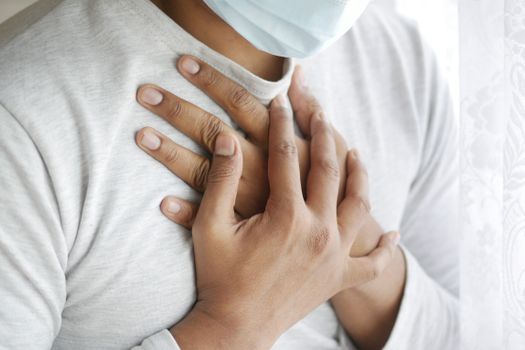
Close-up image of a masked person holding chest, symbolizing health concerns. Photo: Towfiqu barbhuiya / Pexels
A heart attack, medically known as a myocardial infarction, occurs when blood flow to a part of the heart is blocked for a prolonged period, typically due to a clot in one of the coronary arteries. This blockage starves heart muscle tissue of oxygen and nutrients, leading to damage or death of that tissue. Understanding the core symptoms is not just important; it's a matter of life and death, as early intervention significantly improves outcomes. The classic image of someone clutching their chest in agonizing pain, while sometimes accurate, doesn't capture the full spectrum of how a heart attack can manifest. Many people experience more subtle, less dramatic signs, which can lead to dangerous delays in seeking medical attention. The most common symptom, and often the most recognized, is chest discomfort. This isn't always a sharp, sudden pain. It can be described as pressure, tightness, squeezing, or a feeling of fullness in the center of your chest. This discomfort may come and go, or it might persist for several minutes. It's crucial to understand that this chest sensation can radiate to other parts of the upper body. For instance, pain or discomfort in one or both arms, particularly the left arm, is a frequently reported symptom. This sensation can also extend to the back, neck, jaw, or stomach. It's not uncommon for individuals to dismiss these radiating pains as muscle strains or indigestion, especially if the chest discomfort itself isn't severe. However, if accompanied by other heart attack symptoms, any new or unusual discomfort in these areas warrants immediate investigation. Beyond chest and radiating pain, shortness of breath is another critical indicator. This can occur with or without chest discomfort. You might feel like you can't get enough air, or you might experience a sense of breathlessness that's unusual for you, especially if you haven't been exerting yourself. This symptom arises because the heart, struggling to pump effectively, can lead to fluid buildup in the lungs. Fatigue, particularly an unusual or sudden onset of extreme tiredness, can also be a significant warning sign, especially in women. This isn't just feeling sleepy; it's a profound exhaustion that can accompany or precede other symptoms for days or even weeks. Other less common but still important symptoms include cold sweats, nausea, indigestion, or lightheadedness. These can often be mistaken for other, less serious conditions, making accurate self-assessment challenging. For example, nausea and indigestion are often attributed to dietary choices, but if they occur alongside chest discomfort or shortness of breath, they could be indicative of a heart attack. Similarly, sudden lightheadedness or dizziness, a feeling that you might faint, should never be ignored, especially if it appears with other cardiac symptoms. Recognizing these varied presentations is paramount for timely diagnosis and treatment. The key takeaway is that heart attack symptoms are not always textbook; they can be diverse and sometimes subtle, requiring a high degree of awareness and a willingness to seek professional medical help without delay if there's any suspicion.

Distinguishing Between Men's and Women's Heart Attack Symptoms

Unrecognizable female wearing white shirt while standing on white background with diaphragm of stethoscope on red handmade heart in room Photo: Puwadon Sang-ngern / Pexels
While both men and women can experience the classic heart attack symptoms, there are notable differences in how these symptoms often present, particularly in women. This distinction is vital because women are more likely to experience subtle or atypical symptoms, which can lead to delayed diagnosis and treatment, ultimately impacting their prognosis. Historically, heart attack research focused predominantly on men, leading to a public perception of heart attack symptoms that largely aligns with male experiences. However, modern understanding emphasizes that heart disease is the leading cause of death for women, and their symptom presentation often deviates from the 'Hollywood heart attack' stereotype. For men, the most common heart attack symptom is often crushing chest pain that may radiate down the left arm. This pain is typically described as pressure, fullness, or a squeezing sensation in the center of the chest. They might also experience sweating, jaw pain, or shortness of breath. While women can certainly experience these classic symptoms, they are more likely to report a broader range of less specific signs. For instance, women frequently experience shortness of breath without significant chest pain. This breathlessness might come on suddenly or develop gradually over time, feeling like they can't catch their breath even at rest. Unusual or unexplained fatigue is another prominent symptom in women. This isn't just feeling tired after a long day; it's a profound, debilitating exhaustion that can occur for days or weeks leading up to a heart attack. This fatigue can interfere with daily activities and is often dismissed as stress or aging. Sleep disturbances, such as difficulty falling or staying asleep, or waking up feeling unrefreshed, can also be a subtle warning sign in women, often accompanying this persistent fatigue. Nausea, vomiting, and indigestion are also more commonly reported by women during a heart attack. These gastrointestinal symptoms can be easily mistaken for stomach flu, heartburn, or other digestive issues, leading to dangerous delays in seeking emergency care. Similarly, back pain and jaw pain, while sometimes present in men, can be more prominent and sometimes the primary symptom for women. This pain might be diffuse or localized, but it's often described as a dull ache rather than the sharp, radiating pain often seen in men. Lightheadedness or dizziness, particularly when sudden and unexplained, can also be a key indicator for women, sometimes even more so than chest discomfort. The critical aspect here is awareness. Both men and women need to understand that heart attack symptoms are not always dramatic. For women, in particular, a combination of these less typical symptoms, even without severe chest pain, should trigger immediate concern and a call to emergency services. Never hesitate to seek medical attention if you suspect a heart attack, regardless of whether your symptoms perfectly match the 'classic' description. Early recognition tailored to gender-specific presentations is crucial for saving lives.

The Danger of a Silent Heart Attack and Atypical Presentations
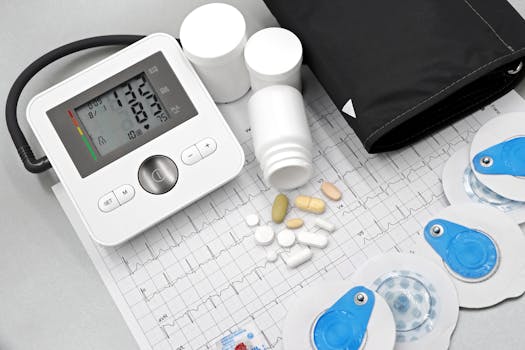
Flat lay of blood pressure monitor, pills, and ECG printout for heart health theme. Photo: Marta Branco / Pexels
While many heart attacks announce themselves with clear, albeit sometimes varied, symptoms, a significant percentage of individuals experience what is known as a 'silent heart attack,' or Silent Myocardial Infarction (SMI). These attacks, as the name suggests, occur with few or no recognizable symptoms, or with symptoms so mild and non-specific that they are mistaken for other, less serious conditions. This lack of clear warning signs makes silent heart attacks particularly dangerous, as individuals may not seek medical attention, leading to undetected heart damage and increasing the risk of future cardiovascular events. Studies suggest that silent heart attacks account for a substantial portion of all heart attacks, highlighting the critical need for broader awareness. The symptoms of a silent heart attack, when present, are often vague and can include mild discomfort in the chest, upper back, or jaw that might be dismissed as muscle strain or everyday aches. Some individuals might experience unusual fatigue, shortness of breath that seems like overexertion, or general malaise. Others might attribute symptoms like indigestion, heartburn, or flu-like feelings to a stomach bug or stress. Because these symptoms are not severe or persistent enough to raise immediate alarm, individuals often delay or avoid seeking medical care, allowing the heart muscle to suffer damage without intervention. The damage caused by a silent heart attack is just as real and potentially severe as that from a symptomatic one, increasing the risk of heart failure, arrhythmias, and subsequent heart attacks. Risk factors for silent heart attacks are similar to those for symptomatic heart attacks, including high blood pressure, high cholesterol, diabetes, smoking, obesity, and a family history of heart disease. Individuals with diabetes, in particular, are more prone to silent heart attacks due to nerve damage (neuropathy) that can alter pain perception. This means they might not feel the chest pain that would typically signal a heart attack, making regular medical check-ups and proactive screening even more crucial for this population. Given the prevalence of risk factors in the general population, a significant number of people might be walking around with undetected heart damage. Diagnosing a silent heart attack often happens incidentally, during routine medical tests for other conditions, such as an electrocardiogram (ECG) or an echocardiogram that reveals evidence of previous heart muscle damage. This retrospective diagnosis underscores the importance of regular health screenings and open communication with healthcare providers about any unusual or persistent symptoms, no matter how minor they seem. Understanding the possibility of a silent heart attack empowers individuals, especially those with multiple risk factors, to be more vigilant about their overall health and to report even subtle changes to their doctors. Preventive measures and regular check-ups are the best defense against the hidden dangers of silent heart attacks, emphasizing that heart health requires continuous attention, not just during acute crises.

When to Call 911: Tips for Immediate Action

Portrait of a female paramedic in front of an ambulance vehicle. Photo: RDNE Stock project / Pexels
Recognizing the symptoms of a heart attack is the first crucial step; the second, equally vital step, is knowing precisely when and how to call for emergency medical help. Time is muscle when it comes to a heart attack. The faster blood flow is restored to the heart, the less damage occurs, and the better the chances of survival and recovery. Delaying treatment, even by a few minutes, can significantly worsen outcomes. Therefore, if you suspect you or someone else is having a heart attack, immediate action by calling 911 (or your local emergency number) is paramount. **Key Tips for Immediate Action:** * **Do Not Hesitate: Call 911 Immediately.** If you experience any heart attack symptoms, even if you are unsure, do not wait to see if they go away. Do not try to drive yourself to the hospital. Emergency responders can provide life-saving treatment on the way to the hospital and are equipped to manage potential complications. The average person waits too long before calling for help, often trying to 'tough it out' or hoping the symptoms will subside. This delay is dangerous. * **Chew Aspirin (If Advised and Available).** If you are not allergic to aspirin and have been advised by a medical professional or emergency dispatcher to do so, chew one adult-strength aspirin (325 mg) or four low-dose aspirins (81 mg each). Aspirin helps to thin the blood and can reduce clotting, potentially minimizing heart damage during a heart attack. Do not take other pain relievers like ibuprofen or acetaminophen, as they do not have the same anti-clotting effect. * **Stay Calm and Rest.** While waiting for emergency services, try to remain as calm as possible. Lie down or sit in a comfortable position to reduce strain on your heart. Avoid any unnecessary exertion. If you are with someone experiencing symptoms, help them into a comfortable position and reassure them. * **Provide Clear Information to Dispatchers.** When you call 911, clearly state that you suspect a heart attack. Be prepared to describe the symptoms, when they started, and any relevant medical history (e.g., heart conditions, diabetes, allergies). This information helps paramedics prepare for your arrival and can expedite treatment. * **Do Not Eat or Drink.** Avoid eating or drinking anything while waiting for medical help. This is important in case you need emergency procedures that require an empty stomach. * **Be Prepared for Arrival.** If possible, unlock the front door and turn on outside lights to make it easier for paramedics to find you quickly. Gather any relevant medical documents or medications you are currently taking to provide to the emergency team. Remember, it's always better to be safe than sorry. Even if your symptoms turn out to be something else, seeking immediate medical attention for suspected heart attack symptoms is the correct and safest course of action. Healthcare professionals would rather you come in and it be a false alarm than for you to delay and suffer severe, irreversible heart damage.

Comparison

Symptom CategoryClassic Male PresentationCommon Female PresentationSilent Heart Attack
Chest DiscomfortCrushing, squeezing pressure, often severePressure, aching, or tightness, often milderMild discomfort, vague pressure, or none
Radiating PainLeft arm, jaw, back (prominent)Jaw, back, neck, stomach (more common)Upper back/jaw ache, or none
Shortness of BreathOften with chest painCan occur without chest pain, sudden onsetMild breathlessness, easily dismissed
FatigueSudden, extreme tiredness (less common as primary symptom)Profound, unexplained fatigue (often primary symptom)Unusual tiredness, general malaise
Other SymptomsCold sweats, nauseaNausea, vomiting, indigestion, lightheadednessIndigestion, flu-like symptoms, dizziness
Urgency to Call 911
Often Mistaken ForHeartburn, anxietyAnxiety, indigestion, flu, stressMuscle strain, indigestion, flu, aging

What Readers Say

"This article was incredibly helpful in understanding what are the symptoms of a heart attack. I always thought it was just chest pain, but realizing the subtle signs in women made me take my fatigue more seriously. A real eye-opener!"

Sarah J. · Austin, TX

"After reading this, I felt much more informed about what are the symptoms of a heart attack. The distinction between male and female symptoms is crucial and often overlooked. It's empowering to know what to look for."

Mark T. · Chicago, IL

"My grandmother had a 'silent' heart attack, and this article perfectly explains that danger. Understanding what are the symptoms of a heart attack, even the non-obvious ones, is so important for everyone. It could truly save a life."

Emily R. · Phoenix, AZ

"The details on when to call 911 were particularly useful. While I hope I never need it, knowing the immediate steps to take if I or a loved one experiences what are the symptoms of a heart attack provides peace of mind."

David L. · Miami, FL

"As a caregiver, having a comprehensive guide on what are the symptoms of a heart attack is invaluable. The emphasis on varied presentations and not just the classic signs is essential for recognizing issues in diverse individuals."

Jessica M. · Seattle, WA

Frequently Asked Questions

What is the most common symptom of a heart attack?

The most common symptom of a heart attack is chest discomfort, which can manifest as pressure, tightness, squeezing, or a feeling of fullness in the center of the chest. It's important to note that this discomfort isn't always severe and can vary in intensity, sometimes coming and going.

Can heart attack symptoms be different for men and women?

Yes, heart attack symptoms can indeed differ significantly between men and women. While men often experience classic chest pain, women are more likely to report subtle symptoms like unusual fatigue, shortness of breath, nausea, vomiting, and pain in the back, neck, or jaw, often without intense chest discomfort.

What should I do if I suspect someone is having a heart attack?

If you suspect someone is having a heart attack, call 911 (or your local emergency number) immediately. Have the person sit down and try to remain calm. If they are not allergic to aspirin and have been advised by the dispatcher, they can chew an adult-strength aspirin to help reduce clotting while waiting for paramedics.

Is it possible to have a heart attack without chest pain?

Yes, it is entirely possible to have a heart attack without chest pain, often referred to as a 'silent heart attack.' Symptoms can be mild or non-existent, including vague discomfort, unusual fatigue, shortness of breath, or indigestion. These silent attacks are particularly dangerous because they often go unrecognized and untreated.

How long do heart attack symptoms typically last?

Heart attack symptoms can last for several minutes, or they may come and go. If symptoms persist for more than a few minutes or worsen, it's crucial to seek emergency medical attention without delay. Do not wait for symptoms to subside on their own, as this can lead to irreversible heart damage.

Who is at higher risk for a silent heart attack?

Individuals with diabetes are at a higher risk for silent heart attacks due to potential nerve damage that can alter pain perception. Other risk factors include high blood pressure, high cholesterol, obesity, smoking, and a family history of heart disease. Regular check-ups and managing these conditions are vital.

What are some common mistakes people make when experiencing heart attack symptoms?

Common mistakes include delaying calling 911, trying to 'tough out' the symptoms, driving oneself to the hospital instead of waiting for an ambulance, and mistaking symptoms for indigestion, anxiety, or muscle pain. Any doubt should lead to an immediate call to emergency services.

How has understanding heart attack symptoms evolved over time?

Understanding heart attack symptoms has evolved significantly, moving beyond the classic chest-clutching stereotype. Modern research emphasizes the diverse presentation of symptoms, especially in women and those with silent heart attacks, leading to a more inclusive and nuanced approach to recognizing and responding to cardiac events.

Understanding what are the symptoms of a heart attack is a critical step towards protecting your health and the health of those you love. Empower yourself with this knowledge, recognize the signs, and never hesitate to call 911. Your quick action can make all the difference in a life-threatening situation.

Topics: what are the symptoms of a heart attackheart attack warning signsmyocardial infarction symptomschest pain heart attacksilent heart attack
Leo List
Brampton weed
Adultwork EstrelaBet Vai de Bet R7 Bet Betão Galera Bet Rainbet Bet9ja Shop SportyBet BetKing Sisal Loto Foot Hollywoodbets YesPlay Odibets RushBet Jugabet BetWarrior BetCity MSport betPawa Fortebet