What Causes High Blood Pressure? Understanding Hypertension
July 16, 2026 15 min read 3,096 words
Unlock the secrets behind high blood pressure and take control of your cardiovascular health today.
Learn More Now
The Silent Threat: Understanding Primary Hypertension Causes
 Photo: Gustavo Fring / Pexels
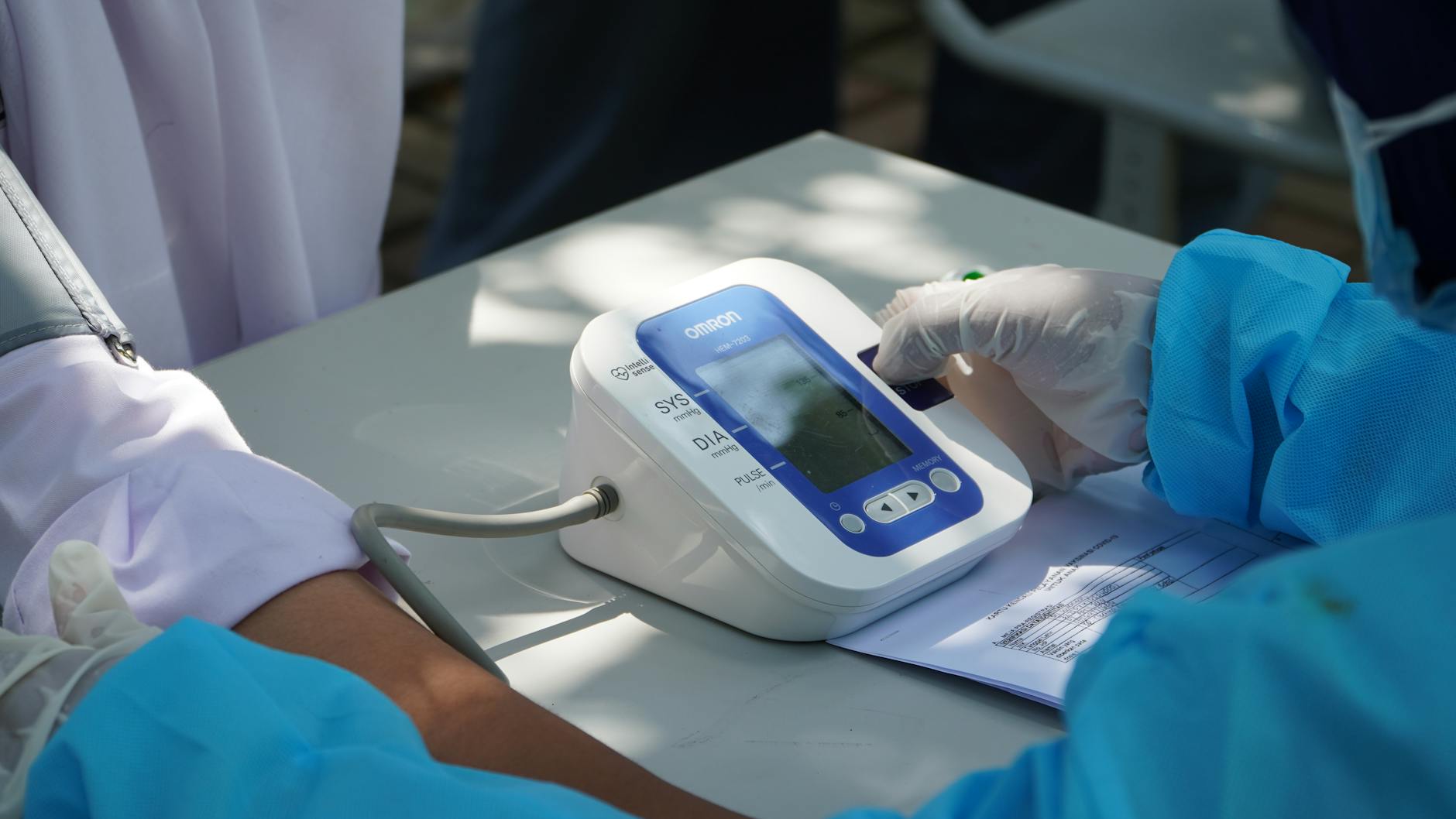
High blood pressure, medically known as hypertension, is a pervasive health concern affecting millions of Americans. It's often dubbed the 'silent killer' because it typically develops without noticeable symptoms, yet silently damages your arteries and vital organs over time. When we delve into what causes high blood pressure, it's crucial to distinguish between its two main forms: primary (or essential) hypertension and secondary hypertension. The vast majority of cases, approximately 90-95%, fall under primary hypertension. This means that for most people, there isn't a single, identifiable medical cause that can be pointed to directly. Instead, it's believed to be a complex interplay of genetic predispositions, environmental factors, and lifestyle choices that collectively contribute to its gradual development over many years. This ambiguity can be frustrating, but understanding this multifactorial nature is the first step towards effective management and prevention.
Genetics play a significant role in primary hypertension. If your parents or close relatives have high blood pressure, your risk is significantly elevated. This isn't to say that you are destined to develop it, but rather that you may have a genetic susceptibility that makes you more vulnerable when combined with other risk factors. Researchers are continually exploring specific genes that may influence blood pressure regulation, but it's rarely a single gene at fault; rather, it's a combination of many genes, each contributing a small effect.
Beyond genetics, several lifestyle elements are strongly implicated in the development of primary hypertension. One of the most prominent is a diet high in sodium. The typical American diet is often rich in processed foods, which are notorious for their high sodium content. Sodium causes your body to retain water, which in turn increases the volume of blood in your arteries, leading to higher blood pressure. Conversely, a diet low in potassium can also contribute, as potassium helps balance sodium levels and relax blood vessel walls. Chronic stress is another often-underestimated factor. While acute stress causes a temporary spike in blood pressure, prolonged, unmanaged stress can contribute to sustained elevation, potentially through its impact on hormones like cortisol and adrenaline, which constrict blood vessels.
Lack of physical activity is a major contributor to poor cardiovascular health, including hypertension. Regular exercise helps strengthen your heart, making it more efficient at pumping blood, which can lower the force on your arteries. It also helps manage weight, another critical factor. Obesity and being overweight are directly linked to higher blood pressure. Excess body fat, particularly around the waist, can alter hormone levels, increase inflammation, and put extra strain on your heart and blood vessels. Finally, excessive alcohol consumption can significantly raise blood pressure. While moderate drinking might have some cardiovascular benefits for certain individuals, heavy drinking clearly elevates blood pressure and can also interfere with the effectiveness of blood pressure medications. Understanding these complex, interwoven factors is key to grasping what causes high blood pressure in its primary form and developing a comprehensive strategy for prevention and control. It emphasizes that managing hypertension often requires a holistic approach, addressing multiple aspects of one's lifestyle rather than focusing on a single culprit. For more information on managing this condition, explore
effective strategies for hypertension control.
Unmasking Secondary Hypertension: Underlying Medical Conditions
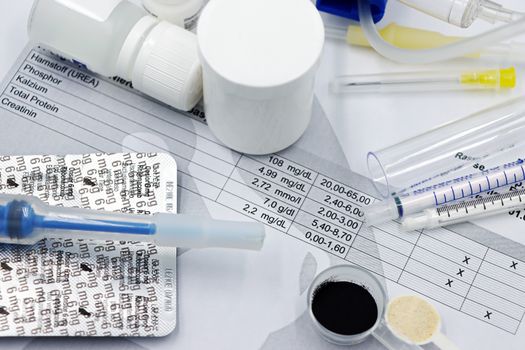 Photo: Marta Branco / Pexels
While primary hypertension accounts for the majority of cases, it's equally important to understand secondary hypertension, which arises as a symptom or complication of an identifiable underlying medical condition. Unlike primary hypertension, which develops gradually, secondary hypertension can appear suddenly and often presents with higher blood pressure readings than primary hypertension. Identifying and treating the underlying cause is crucial, as doing so can often resolve or significantly improve the high blood pressure.
One of the most common causes of secondary hypertension is kidney disease. The kidneys play a vital role in regulating blood pressure by controlling fluid and salt balance, as well as producing hormones that influence blood vessel constriction. When the kidneys are damaged or diseased, they may not be able to perform these functions effectively, leading to an accumulation of fluid and sodium, and an imbalance of hormones, all of which contribute to elevated blood pressure. Conditions like chronic kidney disease, renovascular hypertension (narrowing of the arteries to the kidneys), and polycystic kidney disease can all manifest as secondary hypertension.
Another significant category of causes involves endocrine disorders, which affect the body's hormone production. Conditions such as Cushing's syndrome, where the body produces too much cortisol, can lead to hypertension. Similarly, aldosteronism (Conn's syndrome), characterized by excessive production of aldosterone by the adrenal glands, causes the body to retain sodium and lose potassium, resulting in high blood pressure. Pheochromocytoma, a rare tumor of the adrenal gland, releases surges of adrenaline and noradrenaline, leading to sudden and severe spikes in blood pressure. Thyroid disorders, specifically both an overactive thyroid (hyperthyroidism) and an underactive thyroid (hypothyroidism), can also impact blood pressure regulation, though the mechanisms differ. Hyperthyroidism can increase heart rate and the force of contraction, while hypothyroidism can increase vascular resistance.
Certain medications can also induce secondary hypertension. These include oral contraceptives, particularly those with high estrogen doses, which can affect the renin-angiotensin system. Decongestants, often found in over-the-counter cold and flu remedies, can constrict blood vessels and raise blood pressure. Nonsteroidal anti-inflammatory drugs (NSAIDs), such as ibuprofen and naproxen, can cause the body to retain fluid and reduce kidney function, thereby increasing blood pressure. Some antidepressants, immunosuppressants, and even herbal supplements can also have this side effect. It's always important to discuss all medications and supplements you are taking with your doctor.
Sleep apnea, a condition where breathing repeatedly stops and starts during sleep, is another increasingly recognized cause of secondary hypertension. The repeated drops in oxygen levels during sleep apnea trigger the release of stress hormones, which raise blood pressure and heart rate. Over time, these frequent nocturnal blood pressure surges can lead to sustained hypertension during waking hours. Addressing sleep apnea through lifestyle changes or devices like CPAP machines can often lead to significant improvements in blood pressure control. Understanding these diverse underlying conditions is critical for anyone experiencing what causes high blood pressure, especially if it appears suddenly or is difficult to control with standard treatments. A thorough medical evaluation is essential to rule out or identify these treatable causes.
Lifestyle Factors and Their Impact on Blood Pressure
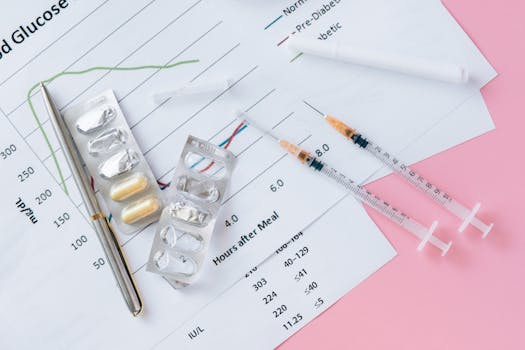 Photo: Nataliya Vaitkevich / Pexels
While genetics and underlying medical conditions certainly play a role, lifestyle choices are arguably the most influential and modifiable factors when considering what causes high blood pressure. The choices we make daily about what we eat, how much we move, and how we manage stress have a profound impact on our cardiovascular health. Taking control of these aspects can significantly reduce your risk of developing hypertension or help manage it if you already have it.
Diet is a cornerstone of blood pressure management. A diet high in saturated and trans fats, cholesterol, and processed foods can contribute to atherosclerosis (hardening and narrowing of the arteries), making it harder for blood to flow and increasing pressure. Conversely, a diet rich in fruits, vegetables, whole grains, lean proteins, and healthy fats – like the DASH (Dietary Approaches to Stop Hypertension) diet or a Mediterranean-style diet – has been proven to lower blood pressure. These diets emphasize potassium, magnesium, and calcium, which are crucial minerals for blood pressure regulation, while limiting sodium intake. Reducing sodium intake is paramount; even a modest reduction can have a significant impact. Reading food labels and choosing fresh, unprocessed foods are excellent strategies. For more detailed dietary guidance, consult resources on
nutrition for heart health.
Physical inactivity is a silent contributor to many chronic diseases, including high blood pressure. Regular physical activity makes your heart stronger, allowing it to pump more blood with less effort. If your heart can pump more blood with less effort, the force on your arteries decreases, lowering your blood pressure. Aim for at least 150 minutes of moderate-intensity aerobic activity or 75 minutes of vigorous-intensity activity per week, along with muscle-strengthening activities on two or more days. This could be brisk walking, jogging, swimming, cycling, or even gardening. The key is consistency.
Excess body weight, particularly obesity, is a major risk factor for hypertension. As body weight increases, so does the amount of blood circulating through your body, placing increased pressure on your artery walls. Additionally, excess fat tissue can release hormones and substances that promote inflammation and insulin resistance, both of which can contribute to higher blood pressure. Even a modest weight loss can make a significant difference in blood pressure levels.
Alcohol consumption, when excessive, can raise blood pressure. While moderate alcohol intake (up to one drink per day for women and up to two drinks per day for men) might be acceptable for some, exceeding these limits can lead to chronic elevation of blood pressure. It can also interfere with blood pressure medications. If you drink, do so in moderation, or consider reducing your intake if your blood pressure is high.
Smoking and tobacco use are extremely detrimental to cardiovascular health. Nicotine temporarily raises blood pressure and heart rate. Over the long term, chemicals in tobacco smoke damage the lining of artery walls, causing them to harden and narrow, which increases blood pressure. Quitting smoking is one of the most impactful steps you can take to improve your blood pressure and overall health. Addressing these lifestyle factors proactively and consistently is not just about preventing or managing hypertension; it's about fostering a foundation of lifelong health and well-being.
Risk Factors and Practical Steps to Prevent High Blood Pressure
Understanding the risk factors for high blood pressure is crucial for prevention and early intervention. Some risk factors are beyond our control, while many others can be managed through conscious lifestyle choices. Recognizing where you stand in relation to these factors empowers you to take proactive steps to protect your cardiovascular health.
**Non-Modifiable Risk Factors:**
* **Age:** The risk of high blood pressure increases with age. Arteries tend to stiffen and narrow over time, making them less elastic and leading to higher pressure. This is a natural part of aging, but it underscores the importance of managing other risk factors as you get older.
* **Race/Ethnicity:** High blood pressure is more prevalent and often more severe among certain racial and ethnic groups, particularly African Americans, who tend to develop hypertension earlier in life and experience higher rates of complications. The reasons for these disparities are complex, involving a mix of genetic, environmental, and socioeconomic factors.
* **Family History:** As mentioned earlier, a family history of high blood pressure significantly increases your risk. If your parents or close relatives have hypertension, you are genetically predisposed, making early screening and aggressive lifestyle management even more critical.
**Modifiable Risk Factors (and what you can do):**
* **Unhealthy Diet:** A diet high in sodium, unhealthy fats, and processed foods, and low in fruits, vegetables, and whole grains, is a primary driver.
* **Action:** Embrace the DASH diet, reduce processed foods, cook at home more often, and focus on fresh produce. Limit sodium to less than 2,300 milligrams per day, and ideally less than 1,500 mg for many adults.
* **Physical Inactivity:** A sedentary lifestyle contributes to obesity and poor cardiovascular fitness.
* **Action:** Aim for at least 150 minutes of moderate-intensity aerobic exercise per week. Incorporate activities you enjoy to make it sustainable, such as brisk walking, cycling, swimming, or dancing.
* **Obesity/Overweight:** Carrying excess weight, especially around the waist, significantly increases blood pressure.
* **Action:** Work towards a healthy weight through a combination of diet and exercise. Even a modest weight loss of 5-10% of your body weight can make a substantial difference.
* **Excessive Alcohol Consumption:** Heavy drinking can elevate blood pressure and interfere with medication.
* **Action:** Limit alcohol to no more than one drink per day for women and two for men. If you have high blood pressure, discuss your alcohol intake with your doctor.
* **Smoking/Tobacco Use:** Nicotine and other chemicals in tobacco damage blood vessels and temporarily raise blood pressure.
* **Action:** Quit smoking. This is one of the most impactful steps you can take for your overall health, including blood pressure.
* **Stress:** Chronic, unmanaged stress can contribute to hypertension.
* **Action:** Implement stress-reduction techniques such as meditation, yoga, deep breathing exercises, spending time in nature, or engaging in hobbies. Ensure adequate sleep.
* **Certain Medical Conditions:** Conditions like diabetes, kidney disease, and sleep apnea are closely linked to high blood pressure.
* **Action:** Manage any existing chronic conditions effectively through regular medical care, medication adherence, and lifestyle adjustments. Get screened for sleep apnea if you suspect you have it.
By understanding these factors and proactively addressing the modifiable ones, you can significantly reduce your risk of developing high blood pressure and maintain optimal cardiovascular health. Regular blood pressure screenings are also essential, especially if you have several risk factors, to catch any elevations early.
**List of Key Preventative Measures:**
* Adopt a heart-healthy diet (DASH or Mediterranean).
* Engage in regular physical activity.
* Maintain a healthy weight.
* Limit sodium intake.
* Reduce alcohol consumption.
* Quit smoking and avoid secondhand smoke.
* Manage stress effectively.
* Monitor blood pressure regularly, especially if you have risk factors.
* Work closely with your healthcare provider to manage existing conditions.