What Causes Sudden Sharp Chest Pain? A Deep Dive
what causes sudden sharp chest pain

What Causes Sudden Sharp Chest Pain? A Deep Dive

Understand the diverse origins of sudden, sharp chest pain and learn when immediate medical attention is crucial.

Understand Your Pain

Key Takeaways

  • ✓ Sudden sharp chest pain can range from harmless muscle strains to life-threatening cardiac events.
  • ✓ Always treat new or severe chest pain as a medical emergency until proven otherwise.
  • ✓ Associated symptoms like shortness of breath, sweating, or arm pain are red flags for serious conditions.
  • ✓ Anxiety and panic attacks are common non-cardiac causes of sharp chest pain.

How It Works

1
Assess Your Symptoms

Note the exact location, intensity, duration, and any accompanying symptoms of your chest pain. This information is vital for diagnosis.

2
Seek Immediate Medical Help

If the pain is severe, crushing, accompanied by shortness of breath, or radiates, call emergency services (911 in the US) without delay. Do not drive yourself.

3
Undergo Diagnosis

Medical professionals will conduct tests like EKGs, blood tests, and imaging to identify the underlying cause. Be prepared to answer questions about your medical history.

4
Receive Treatment & Management

Treatment will depend on the diagnosis, ranging from medication and lifestyle changes to emergency procedures. Follow medical advice closely for recovery and prevention.

Understanding the Urgency: When Sudden Chest Pain Demands Immediate Attention
Side view of an ambulance parked outdoors in Dresden, Germany. Photo: Oscar Ritter / Pexels
Sudden sharp chest pain is a symptom that can instantly trigger alarm, and for good reason. While it can often be attributed to benign causes, it is critical to approach any new onset of sharp chest pain with caution, as it can be a harbinger of a life-threatening emergency, such as a heart attack, pulmonary embolism, or aortic dissection. The human chest cavity houses vital organs, including the heart, lungs, and major blood vessels, making it a complex area where pain can originate from various systems. The challenge lies in distinguishing between a harmless ache and a critical condition without medical evaluation. The immediate priority when experiencing sudden, sharp chest pain, especially if it's new, severe, or accompanied by other concerning symptoms, is to seek emergency medical attention. This is not a situation for self-diagnosis or delay. Calling 911 (in the US) or your local emergency number is the safest course of action. Emergency medical services are equipped to assess your condition rapidly, initiate life-saving interventions if necessary, and transport you to the appropriate medical facility. Waiting to see if the pain subsides, driving yourself to the hospital, or trying home remedies can waste precious time, particularly in conditions where every minute counts, such as a heart attack or an aortic tear. For instance, in acute myocardial infarction (heart attack), early reperfusion (restoration of blood flow) is paramount to preserving heart muscle. Delay can lead to irreversible damage and poorer outcomes. Therefore, the first and most crucial step is always to prioritize professional medical assessment. Even if the pain eventually turns out to be non-cardiac, the peace of mind and prevention of a potentially catastrophic event are well worth the effort. Understanding the potential severity of chest pain is the first step in responsible health management.

Cardiac Causes of Sudden Sharp Chest Pain: A Closer Look at the Heart
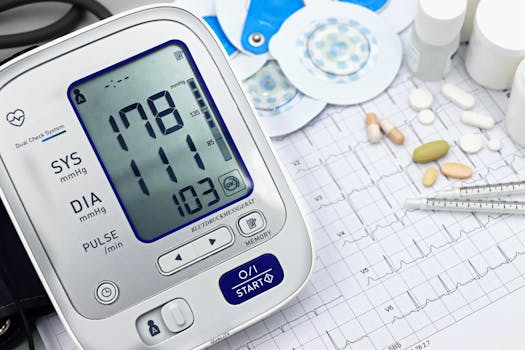
Close-up of a digital blood pressure monitor with ECG printout, pills, and medical tools. Photo: Marta Branco / Pexels
When discussing what causes sudden sharp chest pain, cardiac issues are often the first concern, and rightfully so. The heart is a powerful muscle, and any disruption to its function can manifest as significant chest discomfort. One of the most critical cardiac causes is a **heart attack (myocardial infarction)**. This occurs when blood flow to a part of the heart muscle is blocked, usually by a blood clot, leading to tissue damage. While often described as a crushing or squeezing pain, a heart attack can also present as sharp, sudden pain, sometimes radiating to the arm, back, neck, jaw, or stomach. Other symptoms include shortness of breath, cold sweats, nausea, lightheadedness, or unusual fatigue. **Angina**, particularly unstable angina, can also cause sudden sharp chest pain. Angina is chest pain or discomfort caused by reduced blood flow to the heart muscle, typically due to coronary artery disease. Unstable angina is more severe and unpredictable than stable angina, occurring even at rest, and indicates a higher risk of heart attack. The pain might be sharp, squeezing, or heavy, and may not respond to rest or standard angina medication as readily as stable angina. Another serious cardiac condition is **pericarditis**, an inflammation of the pericardium, the two-layered sac-like tissue that surrounds the heart. Pericarditis pain is often sharp, stabbing, and can be localized to the left side or center of the chest. It typically worsens with deep breathing, coughing, or lying down, and may be relieved by sitting up and leaning forward. Viral infections are a common cause, but it can also result from autoimmune diseases, heart attacks, or injury. Less common but extremely dangerous is **aortic dissection**, a tear in the inner layer of the body's main artery (the aorta). This condition causes sudden, severe, ripping or tearing pain in the chest, often radiating to the back. It is a medical emergency requiring immediate surgical intervention. Similarly, **myocarditis**, inflammation of the heart muscle itself, can also lead to sharp chest pain, often mimicking a heart attack, along with symptoms like fatigue, shortness of breath, and arrhythmias. Recognizing these distinct characteristics is crucial for prompt and accurate diagnosis, highlighting why professional medical assessment is non-negotiable.

Non-Cardiac Causes of Sharp Chest Pain: Beyond the Heart
Close-up image of a masked person holding chest, symbolizing health concerns. Photo: Towfiqu barbhuiya / Pexels
While cardiac concerns rightly take precedence when experiencing sudden sharp chest pain, a significant number of cases stem from non-cardiac origins. These can range from relatively benign to serious, and understanding them can help contextualize your symptoms after emergent cardiac causes have been ruled out. **Musculoskeletal causes** are very common. Conditions like **costochondritis** or **Tietze's syndrome** involve inflammation of the cartilage that connects your ribs to your breastbone. This typically causes sharp, localized chest pain that worsens with deep breaths, coughing, or direct pressure on the affected area. Muscle strains from exercise, injury, or even persistent coughing can also lead to sharp, localized pain in the chest wall. Fractured ribs, though less common, will also present with acute, sharp pain exacerbated by movement and breathing. Identifying the exact spot of tenderness can often point to a musculoskeletal origin. **Gastrointestinal issues** frequently mimic heart pain. **Gastroesophageal reflux disease (GERD)**, or acid reflux, can cause a burning sensation, but sometimes presents as sharp chest pain, especially if stomach acid irritates the esophagus. Esophageal spasms, characterized by abnormal contractions of the esophagus, can lead to sudden, severe, sharp chest pain that may feel like a heart attack. Swallowing difficulties or pain after eating can be clues. **Peptic ulcers** or **gallstones** can also cause referred pain in the chest area, particularly after meals. **Pulmonary conditions** affecting the lungs or pleura (the lining around the lungs) can also be responsible. **Pleurisy**, inflammation of the pleura, causes sharp, stabbing pain that worsens with deep breathing, coughing, or sneezing. A **pneumothorax**, or collapsed lung, occurs when air leaks into the space between your lung and chest wall, causing sudden sharp chest pain and shortness of breath. This can be spontaneous or due to trauma. **Pulmonary embolism**, a blood clot in the lung, is a life-threatening condition that presents with sudden sharp chest pain, often accompanied by shortness of breath, rapid heart rate, and sometimes coughing up blood. While a serious pulmonary cause, it is distinct from cardiac emergencies. Understanding these varied origins helps medical professionals pinpoint the exact cause of sharp pain. Finally, **anxiety and panic attacks** are surprisingly frequent causes of sudden sharp chest pain. During a panic attack, the body's 'fight or flight' response is activated, leading to symptoms like rapid heart rate, shortness of breath, dizziness, and intense, sharp chest pain. This pain is often described as feeling like a heart attack, leading to a vicious cycle of fear and worsening symptoms. While not physically damaging, it's crucial to rule out cardiac causes first. Hyperventilation, often associated with anxiety, can also cause chest discomfort. Differentiating these non-cardiac causes from cardiac emergencies requires thorough medical evaluation, including a detailed history and diagnostic tests, to ensure appropriate treatment and peace of mind.

When to Seek Emergency Care and What to Expect During Diagnosis
Doctors in lab coats attend to a patient lying in a hospital bed, emphasizing healthcare and medical care. Photo: RDNE Stock project / Pexels
Recognizing when sudden sharp chest pain warrants an emergency room visit versus a less urgent doctor's appointment is paramount for your health and safety. The general rule of thumb is: if you are experiencing new, severe, or unexplained sharp chest pain, especially if accompanied by other alarming symptoms, call 911 immediately. Do not attempt to drive yourself or have someone drive you to the hospital if you suspect a cardiac event or other life-threatening condition. Emergency medical personnel can begin treatment en route and are equipped to handle critical situations. **Red Flag Symptoms that Demand Immediate Emergency Care:** * **Crushing, squeezing, or pressure-like chest pain**, even if it feels sharp. * Pain that **radiates** to your arm (especially the left), back, neck, jaw, or stomach. * Pain accompanied by **shortness of breath** or difficulty breathing. * **Sweating**, nausea, vomiting, or lightheadedness/dizziness. * Sudden onset of **severe, ripping, or tearing pain** in the chest and/or back. * Pain that doesn't subside with rest or position changes. * Feeling of **impending doom**. **What to Expect at the Emergency Room:** Upon arrival, medical staff will prioritize your assessment. You will likely be asked about the nature of your pain (location, intensity, duration, what makes it better or worse), your medical history, and any medications you are taking. Key diagnostic steps typically include: 1. **Electrocardiogram (ECG/EKG):** This quick, non-invasive test measures the electrical activity of your heart and can detect signs of a heart attack or other cardiac issues. It's often one of the first tests performed. 2. **Blood Tests:** Blood samples will be taken to check for cardiac enzymes (like troponin), which are released into the bloodstream when heart muscle is damaged. Other blood tests may assess for inflammation markers, blood clots (D-dimer), or signs of infection. 3. **Chest X-ray:** This can help identify problems with your lungs (like pneumonia, pneumothorax, or fluid accumulation), the size and shape of your heart, or issues with major blood vessels. 4. **Oxygen Saturation:** A pulse oximeter will be placed on your finger to measure the oxygen level in your blood. 5. **Blood Pressure and Heart Rate Monitoring:** Continuous monitoring provides vital information about your cardiovascular stability. Depending on these initial findings, further tests may be ordered, such as a CT scan of the chest (to look for pulmonary embolism, aortic dissection, or lung issues), an echocardiogram (ultrasound of the heart), or an endoscopy if gastrointestinal causes are suspected. The goal is to quickly and accurately diagnose the cause of your pain to initiate appropriate treatment. Remember, while waiting can be stressful, the medical team is working to ensure your safety and provide the best possible care.

Comparison

Symptom FeatureHeart AttackAnxiety/Panic AttackCostochondritisGERD
Pain CharacterCrushing, pressure, squeezing, or sharpSharp, stabbing, tightSharp, localized, stabbingBurning, sharp, squeezing
Radiates ToArm, back, neck, jaw, stomachOften localized, sometimes diffuseNo, localized to ribs/sternumNeck, throat
Worsens WithExertion, stress (sometimes at rest)Stress, hyperventilationDeep breath, cough, pressureLying down, eating spicy/fatty food
Relieved ByNitroglycerin (sometimes), rest (variable)Calming techniques, breathing exercisesRest, anti-inflammatories, heatAntacids, sitting upright
Accompanying SymptomsShortness of breath, sweat, nausea, dizzinessRapid heart rate, shortness of breath, dizziness, fearTenderness to touch on chest wallSour taste, burping, difficulty swallowing

What Readers Say

"This article was incredibly helpful when I experienced sudden sharp chest pain. It clearly explained the different possibilities and, most importantly, stressed the urgency of seeking medical help. It helped me understand what questions to ask at the ER."

Sarah J. · Austin, TX

"I often get sharp chest pains due to anxiety, and this article perfectly distinguished between cardiac and non-cardiac causes. It's reassuring to have such comprehensive information, though it still emphasizes professional diagnosis."

Mark D. · Chicago, IL

"After reading this, I recognized my sharp chest pain had several 'red flag' symptoms. I called 911, and it turned out to be a heart attack. This article literally saved my life by prompting immediate action and reducing my hesitation."

Emily R. · Miami, FL

"Very thorough and well-researched. While it covers a lot, I wish there was a bit more on post-diagnosis management for chronic conditions like costochondritis, but it's excellent for initial understanding."

David L. · Seattle, WA

"As someone with GERD, I frequently experience chest pain that can be quite alarming. This guide helped me differentiate my usual symptoms from potentially more serious ones, giving me a better understanding of when to truly worry."

Jessica M. · Denver, CO

Frequently Asked Questions

Is all sudden sharp chest pain a sign of a heart attack?

No, not all sudden sharp chest pain indicates a heart attack. While it's crucial to rule out cardiac emergencies, sharp chest pain can also be caused by musculoskeletal issues like costochondritis, gastrointestinal problems like GERD, pulmonary conditions, or even anxiety and panic attacks. However, due to the potential severity of cardiac causes, any new or severe sharp chest pain should be evaluated by a medical professional immediately.

What are the key differences between anxiety-related chest pain and a heart attack?

Anxiety-related chest pain is often described as sharp, stabbing, or a tight band, frequently accompanied by rapid heart rate, shortness of breath, dizziness, and intense fear. A heart attack, while sometimes sharp, is more commonly described as a crushing, squeezing, or pressure-like pain that may radiate to other body parts. Heart attack symptoms also include cold sweats, nausea, and lightheadedness. Both require immediate medical evaluation to distinguish definitively.

What should I do immediately if I experience sudden sharp chest pain?

If you experience sudden, severe, or unexplained sharp chest pain, especially if it's accompanied by shortness of breath, sweating, nausea, or pain radiating to your arm or jaw, call 911 (or your local emergency number) immediately. Do not attempt to drive yourself to the hospital. Emergency medical personnel can assess your condition and provide critical care en route.

How much does it cost to get sudden sharp chest pain diagnosed in the ER?

The cost of an emergency room visit for chest pain diagnosis can vary significantly based on your insurance plan, the tests performed, and the facility. It can range from several hundred to several thousand dollars. While cost is a concern, it should never delay seeking emergency care for potentially life-threatening symptoms. Many hospitals offer financial assistance programs, and insurance plans typically cover emergency services.

How does costochondritis pain differ from cardiac chest pain?

Costochondritis pain is typically sharp, localized to the left side or center of the chest, and worsens with deep breaths, coughing, or direct pressure on the affected rib cartilage. Cardiac chest pain (e.g., from a heart attack) is often more diffuse, feels like pressure or squeezing, may radiate, and is less likely to be exacerbated by touch. While both can be sharp, the tenderness to touch is a key differentiator for costochondritis.

Who is most at risk for sudden sharp chest pain?

Anyone can experience sudden sharp chest pain, but certain risk factors increase the likelihood of specific causes. Individuals with a history of heart disease, high blood pressure, high cholesterol, diabetes, smoking, or obesity are at higher risk for cardiac causes. Those with anxiety disorders are more prone to panic-related chest pain. People involved in strenuous physical activity or with respiratory infections might experience musculoskeletal or pulmonary causes.

Is it safe to ignore mild sharp chest pain if it goes away quickly?

While some mild, fleeting sharp chest pains may be benign (e.g., muscle twinges), it is generally not safe to ignore new or recurrent chest pain, even if it resolves quickly. The absence of pain does not always mean the absence of a problem. If you're concerned, or if the pain recurs, consult a doctor to rule out any underlying conditions, as early detection can be critical for many health issues.

Will advancements in AI help diagnose what causes sudden sharp chest pain more accurately?

Yes, advancements in AI and machine learning hold significant promise for improving the accuracy and speed of diagnosing what causes sudden sharp chest pain. AI can analyze vast amounts of patient data, including EKG readings, lab results, and medical history, to identify patterns and predict risks more effectively. This could lead to earlier detection of critical conditions like heart attacks or aortic dissections, ultimately enhancing patient outcomes and reducing diagnostic errors.

Understanding what causes sudden sharp chest pain is crucial for your health. If you or someone you know experiences this symptom, prioritize immediate medical evaluation. Don't delay—your health is worth the attention.

Topics: what causes sudden sharp chest painchest pain symptomsheart attack signsanxiety chest painmusculoskeletal chest pain
Leo List

DK Escorts LU Escorts AT Escorts SE Escorts FI Escorts CH Escorts DE Escorts HR Escorts IE Escorts GR Escorts CZ Escorts NO Escorts BE Escorts FR Escorts SI Escorts IL Escorts NL Escorts PL Escorts HU Escorts ES Escorts IT Escorts PT Escorts SK Escorts RO Escorts ZA Escorts UY Escorts US Escorts UK Escorts NZ Escorts AU Escorts
Brampton weed
Adultwork EstrelaBet Vai de Bet R7 Bet Betão Galera Bet Rainbet Bet9ja Shop SportyBet BetKing Sisal Loto Foot Hollywoodbets YesPlay Odibets RushBet Jugabet BetWarrior BetCity MSport betPawa Fortebet