What is Preventive Healthcare and Why It's Crucial for You
June 18, 2026 16 min read 3,140 words
Proactive health management is key to a longer, healthier life, reducing disease risk and healthcare costs.
Start Your Prevention Journey
Defining Preventive Healthcare: A Proactive Approach to Wellness
 Photo: RDNE Stock project / Pexels
At its core, preventive healthcare is a proactive strategy aimed at maintaining health and preventing disease before it starts, rather than reacting to illness once it has manifested. It’s a paradigm shift from a reactive, sickness-focused model to a proactive, wellness-oriented one. This comprehensive approach involves a wide array of practices, from routine medical check-ups and screenings to lifestyle interventions and vaccinations. The ultimate goal is to empower individuals to live longer, healthier, and more productive lives by mitigating risk factors and fostering overall well-being. It’s not just about avoiding illness; it's about optimizing health potential.
Understanding what constitutes preventive healthcare is crucial. It encompasses primary, secondary, and tertiary prevention. Primary prevention focuses on preventing disease or injury before it ever occurs. This includes health education, immunization programs, and promoting healthy lifestyles like regular exercise and balanced nutrition. For example, getting a flu shot annually is a primary prevention measure against influenza, and teaching children about healthy eating habits is a form of primary prevention against obesity and related conditions. Secondary prevention aims to reduce the impact of a disease or injury that has already occurred. This is achieved through early detection and prompt treatment. Regular screenings, such as mammograms for breast cancer or colonoscopies for colorectal cancer, fall under secondary prevention. The earlier a disease is detected, the more effectively it can often be managed or cured, preventing its progression to more severe stages. Tertiary prevention focuses on softening the impact of an ongoing illness or injury that has lasting effects. This includes rehabilitation programs, chronic disease management, and support groups designed to improve quality of life and reduce symptoms for individuals already living with a condition. For instance, cardiac rehabilitation after a heart attack or diabetes management education are examples of tertiary prevention. Each level plays a vital role in a holistic preventive healthcare strategy.
In the United States, the emphasis on preventive healthcare has grown significantly as healthcare systems grapple with rising costs and the burden of chronic diseases. Government initiatives, insurance reforms, and public health campaigns increasingly advocate for preventive measures. For instance, the Affordable Care Act (ACA) mandated that most insurance plans cover a range of preventive services without co-pays or deductibles, recognizing the immense value of early intervention. This policy shift underscores a broader understanding that investing in prevention today can yield substantial benefits tomorrow, both in terms of individual health outcomes and societal economic stability. Many healthcare providers are now incorporating personalized preventive plans into their practices, taking into account individual patient histories, genetic predispositions, and lifestyle choices. This tailored approach ensures that preventive strategies are as effective as possible, addressing specific risks pertinent to each person. Moreover, the integration of technology, such as wearable health trackers and telehealth services, is making preventive care more accessible and engaging for a wider population. The rise of
telemedicine benefits has particularly broadened access to consultations and monitoring, making it easier for individuals to stay on track with their preventive goals. This evolution highlights a collective commitment to fostering a culture of health and well-being across the nation.
The Indisputable Importance: Why Prevention Outweighs Cure
 Photo: Nataliya Vaitkevich / Pexels
The adage "an ounce of prevention is worth a pound of cure" rings particularly true in the realm of healthcare. The importance of preventive healthcare cannot be overstated, as it offers multifaceted benefits that extend far beyond individual health. From reducing the prevalence of chronic diseases to alleviating the strain on healthcare systems and enhancing overall quality of life, the arguments for prioritizing prevention are compelling and evidence-based. Understanding these benefits helps underscore why a proactive approach is not merely an option, but a necessity for modern society.
One of the most significant benefits of preventive healthcare is its profound impact on chronic disease management and reduction. Chronic conditions such as heart disease, type 2 diabetes, certain cancers, and respiratory illnesses are among the leading causes of death and disability in the US. These conditions often develop over many years, influenced by a combination of genetic predispositions, lifestyle choices, and environmental factors. Preventive measures, including regular exercise, a balanced diet, smoking cessation, moderate alcohol consumption, and stress management, can significantly delay the onset or even prevent the development of many chronic diseases. For example, maintaining a healthy weight and being physically active can drastically reduce the risk of developing type 2 diabetes. Early detection through screenings, such as blood pressure and cholesterol checks, allows for timely interventions that can prevent minor issues from escalating into life-threatening conditions. By addressing risk factors early, individuals can avoid the long-term suffering, diminished quality of life, and substantial medical costs associated with chronic illness.
Beyond individual health, preventive healthcare plays a crucial role in the economic sustainability of healthcare systems. The treatment of chronic diseases accounts for a significant portion of healthcare expenditures in the US. Hospitalizations, surgeries, long-term medications, and specialized therapies for conditions like heart failure or advanced cancer are incredibly expensive. By preventing these diseases or detecting them early, the need for costly interventions is reduced, leading to substantial savings for individuals, insurance companies, and government programs like Medicare and Medicaid. These savings can then be reinvested into other areas of public health, education, or infrastructure, fostering broader societal benefits. Furthermore, a healthier workforce is a more productive workforce. Employees who are not burdened by chronic illness tend to have fewer sick days, higher energy levels, and better focus, contributing positively to economic growth. The economic argument for prevention is clear: it’s a wise investment that yields significant returns.
Moreover, preventive care empowers individuals with greater control over their health. By understanding their risk factors and actively participating in their health management, people can make informed decisions that align with their personal health goals. This sense of agency can lead to increased health literacy and a greater commitment to wellness. The peace of mind that comes from knowing you are taking proactive steps to protect your health is invaluable. It reduces anxiety about potential future health crises and allows individuals to enjoy life more fully. Preventive healthcare isn't just about avoiding bad outcomes; it's about actively pursuing and maintaining optimal health, enhancing vitality, and improving overall well-being. It is a fundamental component of a truly patient-centered healthcare system, fostering a partnership between individuals and their healthcare providers to achieve the best possible health outcomes.
Key Components of Effective Preventive Healthcare Strategies
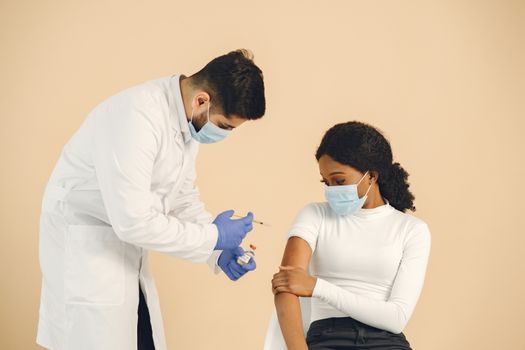 Photo: Gustavo Fring / Pexels
Effective preventive healthcare is not a one-size-fits-all solution; rather, it’s a multifaceted strategy tailored to individual needs, risk factors, and life stages. It combines medical interventions with lifestyle modifications and regular monitoring to create a comprehensive shield against disease. Understanding the key components of these strategies is essential for anyone looking to adopt a proactive approach to their health. These components work synergistically to maximize the chances of preventing illness and promoting long-term well-being.
One of the cornerstones of preventive healthcare is regular medical check-ups and screenings. These appointments are not just for when you feel sick; they are crucial opportunities for your healthcare provider to assess your overall health, identify potential risk factors, and detect early signs of disease. Routine physical exams, blood pressure checks, cholesterol screenings, and blood glucose tests are vital for monitoring key health indicators. For women, regular mammograms and Pap tests are critical for detecting breast and cervical cancers early. Men benefit from prostate cancer screenings and discussions about cardiovascular health. Age-appropriate cancer screenings, such as colonoscopies for colorectal cancer, are also essential. These screenings can catch diseases at their most treatable stages, often before symptoms even appear, dramatically improving prognosis and reducing the need for more aggressive treatments later on. Your doctor will use these check-ups to update your medical history, discuss any changes in your health, and recommend personalized preventive measures based on your unique profile. This ongoing dialogue is crucial for adapting your preventive plan as you age or as your health needs evolve. For more information on personalized health plans, consider exploring
personalized medicine approaches.
Vaccinations represent another critical pillar of preventive healthcare, offering protection against a wide range of infectious diseases. Immunizations work by stimulating the body's immune system to produce antibodies, providing immunity without having to contract the disease itself. Childhood vaccinations, such as those for measles, mumps, rubella, polio, and pertussis, have dramatically reduced the incidence of these once-common and often deadly diseases. However, vaccinations are not just for children. Adults also need various immunizations, including annual flu shots, tetanus-diphtheria-pertussis (Tdap) boosters, shingles vaccines, and pneumococcal vaccines, especially as they age or if they have certain underlying health conditions. Travelers may also require specific vaccines depending on their destination. Staying up-to-date with recommended vaccinations is a simple yet incredibly effective way to prevent serious illness, protect vulnerable populations, and contribute to community health by reducing disease transmission.
Beyond medical interventions, lifestyle modifications form a significant and empowering aspect of preventive healthcare. These are choices individuals make daily that profoundly impact their health trajectory. A balanced diet, rich in fruits, vegetables, whole grains, and lean proteins, and low in processed foods, unhealthy fats, and added sugars, is fundamental for maintaining a healthy weight, managing blood sugar, and supporting cardiovascular health. Regular physical activity, aiming for at least 150 minutes of moderate-intensity aerobic exercise or 75 minutes of vigorous-intensity exercise per week, strengthens the heart, improves mood, builds bone density, and helps prevent numerous chronic diseases. Avoiding tobacco products and limiting alcohol consumption are also crucial for preventing cancer, liver disease, and other health issues. Furthermore, effective stress management techniques, such as mindfulness, meditation, yoga, or spending time in nature, are vital for mental and emotional well-being, which directly impacts physical health. Adequate sleep, typically 7-9 hours per night for adults, is equally important for bodily repair, cognitive function, and immune system strength. These lifestyle components are not merely recommendations; they are powerful tools that individuals can actively wield to build a resilient and healthy body.
Overcoming Obstacles and Embracing a Preventive Mindset
 Photo: Ketut Subiyanto / Pexels
Despite the overwhelming evidence supporting its importance, adopting a comprehensive preventive healthcare strategy can present several challenges. Understanding these common obstacles and developing strategies to overcome them is crucial for individuals and the broader healthcare system to fully embrace a preventive mindset. It requires a shift in perspective, both individually and culturally, from reactive treatment to proactive wellness.
One significant barrier is the perception of immediate cost versus long-term benefit. While many preventive services are covered by insurance, some individuals may face out-of-pocket expenses or perceive the time commitment for appointments and lifestyle changes as an immediate burden. The benefits of prevention, such as avoiding a heart attack 20 years down the line, are often not immediately tangible, making it harder for some to prioritize. However, the long-term financial and health costs of treating chronic diseases far outweigh the investment in prevention. Educating the public on these long-term savings and the enhanced quality of life can help bridge this perception gap. Another obstacle is access to care. Geographic location, socioeconomic status, and insurance coverage can all impact an individual's ability to access regular check-ups, screenings, and healthy resources like fresh food and safe places for exercise. Addressing these systemic inequalities through public health initiatives and policy changes is vital. Furthermore, health literacy plays a role; some individuals may not fully understand the importance of certain screenings or lifestyle choices, or how to implement them effectively. Healthcare providers and public health campaigns have a crucial role in providing clear, accessible information.
Tips for embracing a preventive mindset:
* **Find a Primary Care Provider (PCP):** Establish a long-term relationship with a PCP who understands your health history and can guide your preventive care journey. Regular visits build trust and ensure continuity of care.
* **Know Your Family History:** Discuss health conditions with family members. This information is invaluable for identifying genetic predispositions and tailoring your preventive plan.
* **Schedule Regular Check-ups and Screenings:** Don't wait until you're sick. Mark your calendar for annual physicals, age-appropriate cancer screenings, and vaccinations. Proactive scheduling ensures you don't miss vital appointments.
* **Prioritize Lifestyle Changes:** Integrate healthy eating, regular physical activity, adequate sleep, and stress management into your daily routine. Start small, set realistic goals, and build consistent habits.
* **Educate Yourself:** Stay informed about health recommendations, new research, and how to make healthy choices. Utilize reputable sources and discuss findings with your doctor.
* **Advocate for Yourself:** Don't hesitate to ask questions, seek second opinions, and voice concerns about your health. Be an active participant in your healthcare decisions.
* **Leverage Technology:** Use health apps, wearables, and telehealth services to monitor your health, track progress, and stay connected with your healthcare team. Many
fitness trackers can provide valuable insights into your activity and sleep patterns.
