
What is Telehealth and How Does it Work? Your Complete Guide
Explore the world of virtual healthcare, understanding its mechanisms, advantages, and how it's making medical care more accessible than ever.
Start Your Virtual Care JourneyKey Takeaways
- ✓ Telehealth encompasses a broad range of remote healthcare services, not just virtual doctor visits.
- ✓ It leverages technology like video conferencing, secure messaging, and remote monitoring devices.
- ✓ Telehealth can improve access to specialists, reduce travel time, and offer convenience.
- ✓ Patient privacy and data security are paramount in all telehealth operations.
How It Works
Patients typically schedule a telehealth appointment online or via phone, just like an in-person visit. They receive instructions on how to connect.
At the scheduled time, patients use a secure platform (app or website) to connect with their doctor via video, phone, or secure messaging. This session is private and encrypted.
During the virtual visit, the provider discusses symptoms, reviews medical history, and may even conduct a visual examination. They can diagnose, prescribe medication, or recommend further steps.
Post-consultation, patients may receive follow-up instructions, prescriptions sent to their pharmacy, or be enrolled in remote monitoring programs for chronic conditions, using wearable devices.
Unpacking the Definition: What Exactly is Telehealth?
 Photo: adrian vieriu / Pexels
The Mechanics of Telehealth: How Does it Work in Practice?
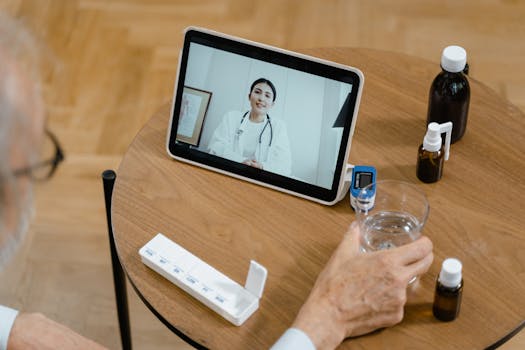 Photo: Tima Miroshnichenko / Pexels
The Multifaceted Benefits and Applications of Telehealth
 Photo: Tima Miroshnichenko / Pexels
Navigating the Telehealth Landscape: Tips and Potential Pitfalls
Photo: Tima Miroshnichenko / Pexels
Comparison
| Feature | Telehealth (Virtual Visit) | In-Person Visit | Urgent Care Clinic |
|---|---|---|---|
| Convenience | High (from home/office) | Moderate (requires travel) | Moderate (requires travel) |
| Access to Specialists | Excellent (wider geographic reach) | Good (local availability) | Limited (general care focus) |
| Cost (out-of-pocket) | Often lower than in-person | Standard co-pays/deductibles | Higher than PCP, lower than ER |
| Physical Exam Capability | Limited (visual assessment only) | Comprehensive | Comprehensive |
| Wait Times | Often shorter, scheduled | Can vary, scheduled | Often long, walk-in |
| Chronic Condition Management | Excellent (remote monitoring, regular follow-ups) | Good (scheduled visits) | Poor (episodic care) |
| Privacy & Security | High (HIPAA-compliant platforms) | High (clinic standards) | Good (clinic standards) |
What Readers Say
"I was skeptical about what is telehealth and how does it work, but my virtual appointment for a persistent cough was incredibly efficient. The doctor was thorough, I got my prescription sent immediately, and I didn't have to leave my house while feeling unwell. It's a game-changer for minor illnesses."
Sarah J. · Austin, TX"As someone with a chronic condition, remote patient monitoring through telehealth has been invaluable. My doctor tracks my vitals daily, and I have regular video check-ins. It gives me peace of mind knowing my care team is always informed, and it's so much easier than constant office visits."
Mark D. · Denver, CO"My son developed an ear infection on a holiday weekend. Instead of an expensive ER trip, we used a telehealth service. Within 30 minutes, he was diagnosed, and we had an antibiotic prescription ready for pickup. This saved us hours and hundreds of dollars, a truly concrete result!"
Emily R. · Miami, FL"Telehealth has been mostly excellent for my mental health therapy. It's convenient and allows me to maintain consistency. Occasionally, I wish for the in-person connection, but the flexibility it offers far outweighs that minor drawback. It's a solid option for ongoing support."
David L. · Seattle, WA"Living far from specialists, I often put off appointments. Telehealth changed that completely. I can now consult with a dermatologist in another state for my skin condition without a day-long trip. This access to specialized care is truly life-changing for rural communities."
Maria G. · Rural KansasFrequently Asked Questions
What is the primary difference between telehealth and telemedicine?
Telehealth is a broader term encompassing all remote healthcare services, including clinical and non-clinical applications like health education or administrative tasks. Telemedicine specifically refers to remote clinical services, such as virtual doctor visits for diagnosis and treatment.
Is telehealth secure and private for my medical information?
Yes, reputable telehealth platforms are designed to be highly secure and compliant with strict privacy regulations like HIPAA (Health Insurance Portability and Accountability Act) in the US. They use encryption and secure servers to protect your sensitive medical data.
How do I prepare for a telehealth appointment?
To prepare, ensure you have a stable internet connection, a quiet and private space, and your device (computer, tablet, or smartphone) is charged. Have a list of your symptoms, current medications, and any questions ready, just as you would for an in-person visit.
Does insurance cover telehealth services, and what are the costs?
Most insurance providers, including Medicare and Medicaid, now cover a wide range of telehealth services, especially after the pandemic. However, coverage can vary, so it's always best to contact your specific insurance provider to understand your benefits and potential out-of-pocket costs.
How does telehealth compare to an in-person doctor's visit?
Telehealth offers convenience, reduced travel, and often lower costs, making it ideal for routine check-ups, follow-ups, and minor illnesses. In-person visits are superior for physical examinations, complex diagnostics requiring equipment, and emergency situations.
Who should consider using telehealth services?
Telehealth is suitable for a wide range of individuals, including those in rural areas, people with limited mobility, individuals with chronic conditions requiring monitoring, those seeking mental health support, and anyone needing convenient access to routine medical advice or prescription refills.
What are the limitations or potential risks of telehealth?
While generally safe, limitations include the inability to perform physical examinations, potential technology issues, and the risk of misdiagnosis if visual or auditory cues are insufficient. It's not suitable for medical emergencies, which require immediate in-person care.
What does the future hold for telehealth and virtual healthcare?
The future of telehealth is bright, with continued integration into mainstream healthcare. Expect advancements in AI-powered diagnostics, more sophisticated remote monitoring devices, personalized digital health tools, and a seamless blend of virtual and in-person care, creating a truly hybrid healthcare model.
Embrace the future of healthcare by understanding what is telehealth and how does it work. Explore its benefits for convenient, accessible, and efficient medical care tailored to your modern lifestyle. Start your journey towards better health with virtual care today.