✓ Telemedicine uses technology for remote healthcare services.
✓ It encompasses virtual visits, remote monitoring, and mobile health.
✓ Offers convenience, accessibility, and often cost savings.
✓ Widely covered by insurance, including Medicare and Medicaid.
How It Works
1
Schedule Your Appointment
Patients typically schedule a virtual appointment online or via phone with their provider. They choose a convenient time and platform, often receiving a link or instructions beforehand.
2
Connect with Your Provider
At the scheduled time, patients connect with their doctor via video call, phone call, or secure messaging. This allows for real-time consultation, diagnosis, and treatment discussions.
3
Receive Diagnosis and Treatment
The provider assesses symptoms, reviews medical history, and offers a diagnosis. They can prescribe medication, recommend further tests, or provide medical advice, just like an in-person visit.
4
Follow-Up and Next Steps
Post-consultation, patients receive a summary of their visit and any prescriptions sent to their pharmacy. Follow-up appointments can be scheduled virtually, ensuring continuity of care.
Understanding the Core: What is Telemedicine Exactly?
Photo: Tima Miroshnichenko / Pexels
In an increasingly connected world, the way we access essential services is rapidly evolving, and healthcare is no exception. At the forefront of this transformation is telemedicine, a term that has become ubiquitous, especially in recent years. So, what is telemedicine? Simply put, it refers to the practice of providing healthcare services and education remotely using telecommunications technology. It’s not just about a video call with your doctor; it's a comprehensive approach that leverages various digital tools to enhance access to medical expertise, improve patient outcomes, and streamline healthcare delivery.
The scope of telemedicine is broad, encompassing a variety of services. It includes virtual consultations, where patients can connect with their doctors via video, phone, or secure messaging platforms for diagnosis, treatment recommendations, and follow-up care. Beyond these direct interactions, telemedicine also includes remote patient monitoring (RPM), which allows healthcare providers to track vital signs, glucose levels, or other health data from patients in their homes. This is particularly beneficial for managing chronic conditions, enabling early intervention and reducing hospitalizations. Another key component is mobile health (mHealth), which involves using smartphones and other wireless devices to support medical and public health practice, often through health-related apps and wearable technology. These applications can range from medication reminders to fitness trackers and symptom checkers, empowering individuals to take a more active role in managing their own health.
Historically, telemedicine has roots dating back to the early 20th century, with simple phone calls between doctors and patients. However, the advent of the internet and high-speed communication technologies has truly revolutionized its capabilities. The recent global health crises significantly accelerated its adoption, pushing both patients and providers to embrace digital alternatives to traditional in-person visits. This rapid expansion has led to greater awareness and acceptance, making it a mainstream option for many. It's crucial to distinguish telemedicine from telehealth, though the terms are often used interchangeably. Telehealth is a broader concept that includes non-clinical services like administrative meetings, medical education, and provider training, all conducted remotely. Telemedicine specifically refers to remote clinical services. Understanding this distinction helps clarify the specific applications and benefits of each. The convenience factor is undeniable: imagine consulting a specialist without the need for travel, taking time off work, or arranging childcare. This accessibility is particularly impactful for individuals in rural areas, those with limited mobility, or those facing transportation challenges. Furthermore, telemedicine can often reduce the spread of infectious diseases by minimizing in-person contact, a benefit that has proven invaluable. This paradigm shift in healthcare delivery is not just a temporary trend; it represents a fundamental evolution in how we will access and receive medical care for years to come. It’s about making healthcare more patient-centric, efficient, and responsive to modern lifestyles. The integration of artificial intelligence and machine learning is also beginning to play a role, further enhancing diagnostic capabilities and personalized treatment plans within the telemedicine framework. This continuous innovation ensures that telemedicine will remain a dynamic and increasingly sophisticated tool in the medical arsenal. Learn more about the history of medical innovation.
The Many Benefits of Telemedicine for Patients and Providers
Photo: https://kaboompics.com/ / Pexels
The widespread adoption of telemedicine isn't just a matter of convenience; it offers a multitude of tangible benefits for both patients and healthcare providers, reshaping the landscape of medical care. For patients, the advantages are particularly compelling. Foremost among these is unparalleled accessibility. Telemedicine breaks down geographical barriers, allowing individuals in remote or underserved areas to connect with specialists and primary care physicians who might otherwise be hours away. This dramatically reduces travel time and costs, eliminating the need to take time off work or arrange for childcare, making healthcare more manageable for busy individuals. It also empowers patients with chronic conditions or mobility issues to receive consistent care from the comfort and safety of their homes, minimizing physical strain and potential exposure to illness in crowded waiting rooms. This improved access can lead to earlier diagnoses and more consistent management of health conditions, ultimately fostering better health outcomes.
Beyond accessibility, telemedicine enhances convenience and flexibility. Patients can schedule appointments that fit their busy lives, often with shorter waiting times than traditional in-person visits. The ability to conduct consultations from home, during a lunch break, or even while traveling, removes many common obstacles to seeking medical attention. This ease of access encourages proactive healthcare engagement, as minor concerns can be addressed quickly before they escalate into more serious problems. The privacy and comfort of one's own environment can also make some patients feel more at ease discussing sensitive health issues, fostering more open and honest communication with their providers. This psychological comfort is a significant, yet often overlooked, benefit.
From the perspective of healthcare providers and systems, telemedicine offers substantial operational efficiencies and improved patient management. It allows doctors to manage their schedules more flexibly, potentially seeing more patients in a given day by reducing the time spent transitioning between examination rooms. This increased efficiency can help alleviate the burden on overworked staff and reduce burnout. Telemedicine also proves invaluable for follow-up appointments, medication management, and routine check-ins, freeing up in-person slots for more complex cases that truly require physical examination. This optimization of resources is critical in a healthcare system often strained by demand.
Furthermore, telemedicine can lead to better continuity of care. Providers can easily follow up with patients after hospital discharge, monitor chronic conditions remotely, and ensure adherence to treatment plans. This continuous oversight helps prevent readmissions and improves overall long-term health management. In terms of cost-effectiveness, telemedicine can reduce healthcare expenditures by minimizing emergency room visits for non-urgent conditions, decreasing transportation costs for patients, and potentially lowering overhead for clinics. While the initial setup of telemedicine infrastructure requires investment, the long-term savings and improved outcomes often outweigh these costs. The ability to leverage technology for remote consultations also expands a practice's reach, allowing providers to serve a wider patient base and potentially grow their practice. This symbiotic relationship, where both patients and providers experience significant advantages, underscores why telemedicine is not just a temporary solution but a fundamental shift towards a more accessible, efficient, and patient-centered healthcare future.
Diverse Applications and Specialties Thriving with Telemedicine
Photo: https://kaboompics.com/ / Pexels
The versatility of telemedicine extends across a remarkable array of medical specialties and applications, demonstrating its profound impact on comprehensive healthcare delivery. It's not a one-size-fits-all solution, but rather a flexible framework that adapts to various clinical needs, from routine check-ups to specialized care. One of the most common and widely utilized applications is primary care. For general practitioners, telemedicine facilitates routine consultations, medication refills, management of minor illnesses like colds or flu, and follow-up care for stable chronic conditions such as hypertension or diabetes. This allows patients to maintain regular contact with their family doctor without the logistical hurdles of an in-person visit, ensuring consistent health monitoring and early intervention when necessary. The ability to quickly address concerns can prevent escalation of conditions and reduce unnecessary emergency room visits.
Mental health services have also seen a revolutionary transformation through telemedicine. Telepsychiatry and teletherapy offer invaluable access to mental health professionals, significantly reducing the stigma often associated with seeking help. Patients can connect with therapists, psychologists, and psychiatrists from the privacy and comfort of their own homes, which can be particularly beneficial for those experiencing anxiety, depression, or other mental health challenges. This increased accessibility is critical for addressing the growing mental health crisis, especially in areas with a shortage of specialists. The flexibility of virtual sessions often leads to higher adherence rates for therapy, as patients find it easier to keep appointments.
Beyond primary and mental health, telemedicine is making significant inroads into numerous other specialties. Dermatology benefits immensely from virtual consultations, where patients can upload images of skin conditions for review by a specialist, leading to quicker diagnoses and treatment plans for issues like rashes, acne, or suspicious moles. Cardiology utilizes remote patient monitoring for individuals with heart conditions, allowing doctors to track vital signs, EKG data, and other metrics to manage conditions like congestive heart failure or arrhythmias. Endocrinology leverages telemedicine for managing diabetes, thyroid disorders, and other hormonal imbalances, with virtual check-ins and data review. Even specialties like neurology, orthopedics (for post-operative follow-ups or initial assessments), and pediatrics (for non-urgent concerns or parental advice) are increasingly integrating telemedicine into their practices. Explore more about specialized medical fields.
Furthermore, telemedicine plays a crucial role in urgent care settings, offering a convenient alternative for non-life-threatening conditions, reducing wait times, and alleviating pressure on emergency departments. It's also vital in chronic disease management, where regular virtual check-ins and remote monitoring devices help patients stay on track with their treatment plans and allow providers to make timely adjustments. Educational components are also integrated, with providers using virtual platforms to educate patients on managing their conditions, administering medications, or understanding diagnostic results. The adaptability of telemedicine means it can be tailored to meet the unique needs of almost any medical discipline, offering a scalable and sustainable solution for modern healthcare challenges. Its continued evolution promises even more sophisticated applications, further embedding it as an indispensable tool in the medical arsenal.
Navigating Telemedicine: Tips for a Seamless Virtual Visit
Photo: https://kaboompics.com/ / Pexels
Embracing telemedicine can significantly simplify your healthcare experience, but like any technology, knowing how to best utilize it ensures a smooth and effective consultation. Here are some essential tips to help you prepare for and make the most of your virtual doctor visits.
Firstly, **technical preparation is key**. Before your appointment, ensure your device (smartphone, tablet, or computer) is fully charged or plugged in. Test your internet connection to confirm it's stable and strong enough for a video call. Download any necessary apps or software well in advance and perform a quick test to ensure your camera and microphone are working correctly. It’s frustrating to waste precious consultation time troubleshooting technical glitches.
Secondly, **choose your environment wisely**. Find a quiet, private, and well-lit space where you won't be interrupted. This allows you to focus on your conversation with the doctor and ensures confidentiality. A cluttered or noisy background can be distracting for both you and your provider.
Thirdly, **prepare your information**. Just as with an in-person visit, having your medical history, current medications (with dosages), allergies, and any relevant recent test results readily available will save time. Think about the symptoms you're experiencing: when did they start, how severe are they, and what makes them better or worse? Write down your questions or concerns beforehand to ensure you don't forget anything important during the consultation.
Fourthly, **be ready to describe your symptoms visually if applicable**. For skin conditions, rashes, or minor injuries, good lighting and clear camera focus can aid your doctor in making an accurate assessment. Don't hesitate to move closer to the camera or adjust angles if requested.
Finally, **understand the limitations and follow-up plan**. While telemedicine is incredibly versatile, some conditions may still require an in-person examination or specific diagnostic tests. Your doctor will advise you if an in-person follow-up is necessary. Always clarify the next steps, including how prescriptions will be sent, when to expect test results, and how to schedule future appointments. By taking these proactive steps, you can ensure your telemedicine experience is as effective and beneficial as possible, making it a truly valuable component of your healthcare journey.
* **Checklist for Your Virtual Visit:**
* Charged device & stable internet
* Working camera & microphone
* Quiet, private, well-lit space
* List of symptoms (start date, severity, triggers)
* Current medications & allergies
* Relevant medical history/test results
* Questions for your doctor
* Pen and paper for notes
* Understand follow-up instructions
Comparison
Feature
Telemedicine
In-Person Visit
Urgent Care Clinic
Convenience
High (from home)
Low (travel, wait times)
Medium (travel, moderate wait)
Accessibility
Very High (remote areas)
Medium (geographical limits)
Medium (local availability)
Cost (Out-of-Pocket)
Often Lower
Variable, typically higher
Variable, can be high
Wait Times
Short, scheduled
Variable, often long
Short to moderate
Physical Exam
Limited/Visual
Comprehensive
Basic to Moderate
Specialist Access
High
Medium (referral needed)
Low (referral needed)
Contagion Risk
None
High
Medium
Privacy/Comfort
Very High (home)
Medium
Medium
What Readers Say
★★★★★
"Telemedicine has been a lifesaver for managing my chronic migraines. I can connect with my neurologist without taking a whole day off work, and prescriptions are sent directly to my pharmacy. It's incredibly efficient and has significantly reduced my stress."
Sarah J. · Austin, TX
★★★★★
"Living far from specialists, I thought I'd always struggle with good medical care. What is telemedicine? It's my connection to quality doctors. My virtual consultations for diabetes management are just as thorough as any in-person visit, saving me hours of driving."
Mark D. · Rural, GA
★★★★★
"I used telemedicine for a sudden rash, and within 30 minutes, I had a diagnosis and prescription. The doctor was able to see the rash clearly via video, and the medication arrived the same day. It saved me a trip to urgent care and hours of waiting."
Emily R. · Portland, OR
★★★★★
"For follow-up appointments and medication adjustments, telemedicine is fantastic. While I still prefer an in-person visit for my annual physical, for most other things, the convenience and ease of a virtual call can't be beat. It's a great complementary service."
David L. · Chicago, IL
★★★★★
"As a busy parent, getting to the doctor used to be a huge ordeal. Now, I can have a virtual visit for my kids' minor illnesses or my own routine check-ups during nap time. It's truly revolutionized how our family accesses healthcare."
Maria G. · Miami, FL
Frequently Asked Questions
What is telemedicine used for?
Telemedicine is used for a wide range of medical services, including routine check-ups, managing chronic conditions, mental health therapy, prescription refills, post-operative follow-ups, and treating minor illnesses like colds, flu, or rashes. It's essentially a way to receive many common healthcare services remotely via technology.
Is telemedicine secure and private?
Yes, reputable telemedicine platforms are designed with robust security measures to protect patient privacy. They must comply with HIPAA (Health Insurance Portability and Accountability Act) regulations, ensuring that your health information is encrypted and confidential during virtual consultations and data transmission.
How do I start using telemedicine?
To start using telemedicine, you typically need to find a healthcare provider or platform that offers virtual visits. You'll usually schedule an appointment online, provide your medical history, and then connect with your doctor via video or phone call at the scheduled time. Many insurance providers can help you find covered options.
Is telemedicine covered by insurance, and how much does it cost?
Most major insurance providers, including Medicare and Medicaid, now cover telemedicine services, especially since the pandemic. The cost can vary depending on your insurance plan and the specific service. Many virtual visits may have a co-pay similar to an in-person visit, or even be fully covered. It's always best to check with your insurance provider directly.
How does telemedicine compare to an in-person doctor's visit?
Telemedicine offers convenience, accessibility, and often lower costs for many conditions, but it has limitations. While it's excellent for consultations, diagnoses based on visual symptoms, and medication management, it cannot replace a physical examination, hands-on procedures, or diagnostic tests that require in-person presence. It's best seen as a complementary tool.
Who should use telemedicine services?
Telemedicine is ideal for individuals seeking convenient access to healthcare, those in rural areas, people with chronic conditions needing regular check-ins, anyone with mobility challenges, and busy individuals who struggle to find time for traditional appointments. It's also great for managing non-urgent illnesses and mental health support.
Are there any risks associated with telemedicine?
While generally safe, potential risks include misdiagnosis due to the lack of a physical exam for certain conditions, technical issues during a consultation, or privacy breaches if using unsecured platforms. However, reputable providers mitigate these risks with trained professionals, secure technology, and clear guidelines for when an in-person visit is necessary.
What is the future outlook for telemedicine?
The future of telemedicine is bright and expansive. It is expected to become an even more integrated and sophisticated part of healthcare, with advancements in remote monitoring devices, AI-powered diagnostics, and virtual reality for specialized treatments. It will continue to enhance accessibility, personalize care, and optimize healthcare resource allocation.
Understanding what is telemedicine opens up a world of convenient and accessible healthcare. Embrace this modern approach to medical care and discover how it can seamlessly integrate into your life, putting your health first without compromise. Explore the possibilities and experience healthcare reimagined today.

 Photo: Tima Miroshnichenko / Pexels
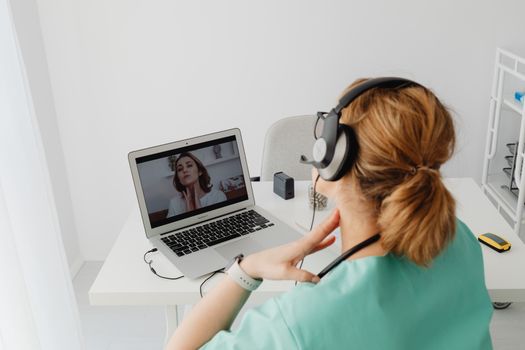 Photo: https://kaboompics.com/ / Pexels
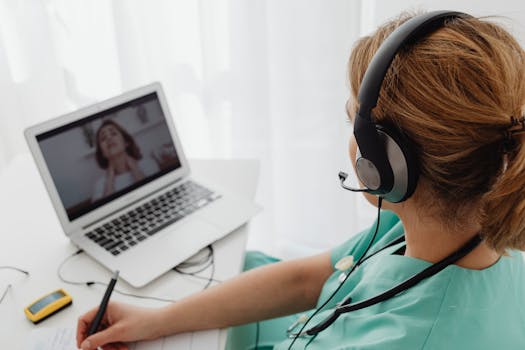 Photo: https://kaboompics.com/ / Pexels
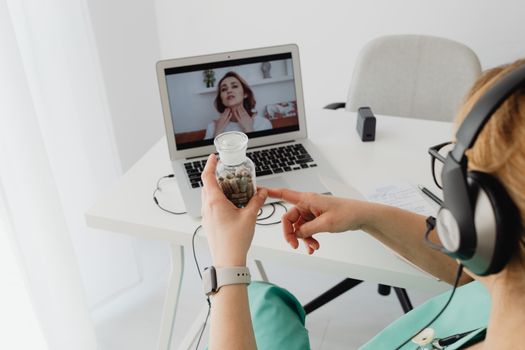 Photo: https://kaboompics.com/ / Pexels