What is Telemedicine and How Does it Work? Your Guide
Unlock the future of healthcare with telemedicine, offering convenient and accessible medical care from anywhere.
Explore Telemedicine NowKey Takeaways
- ✓ Telemedicine uses technology to deliver healthcare remotely.
- ✓ It encompasses virtual visits, remote monitoring, and digital health tools.
- ✓ Patients can connect with doctors via video, phone, or secure messaging.
- ✓ It significantly improves access to specialists and reduces travel time.
How It Works
Patients typically schedule an appointment through a healthcare provider's online portal or app. They select a date and time that works best for them, often receiving a confirmation and instructions.
Before the appointment, patients might be asked to fill out questionnaires, upload relevant medical documents, or ensure they have a stable internet connection and a private space. This preparation helps maximize the effectiveness of the virtual visit.
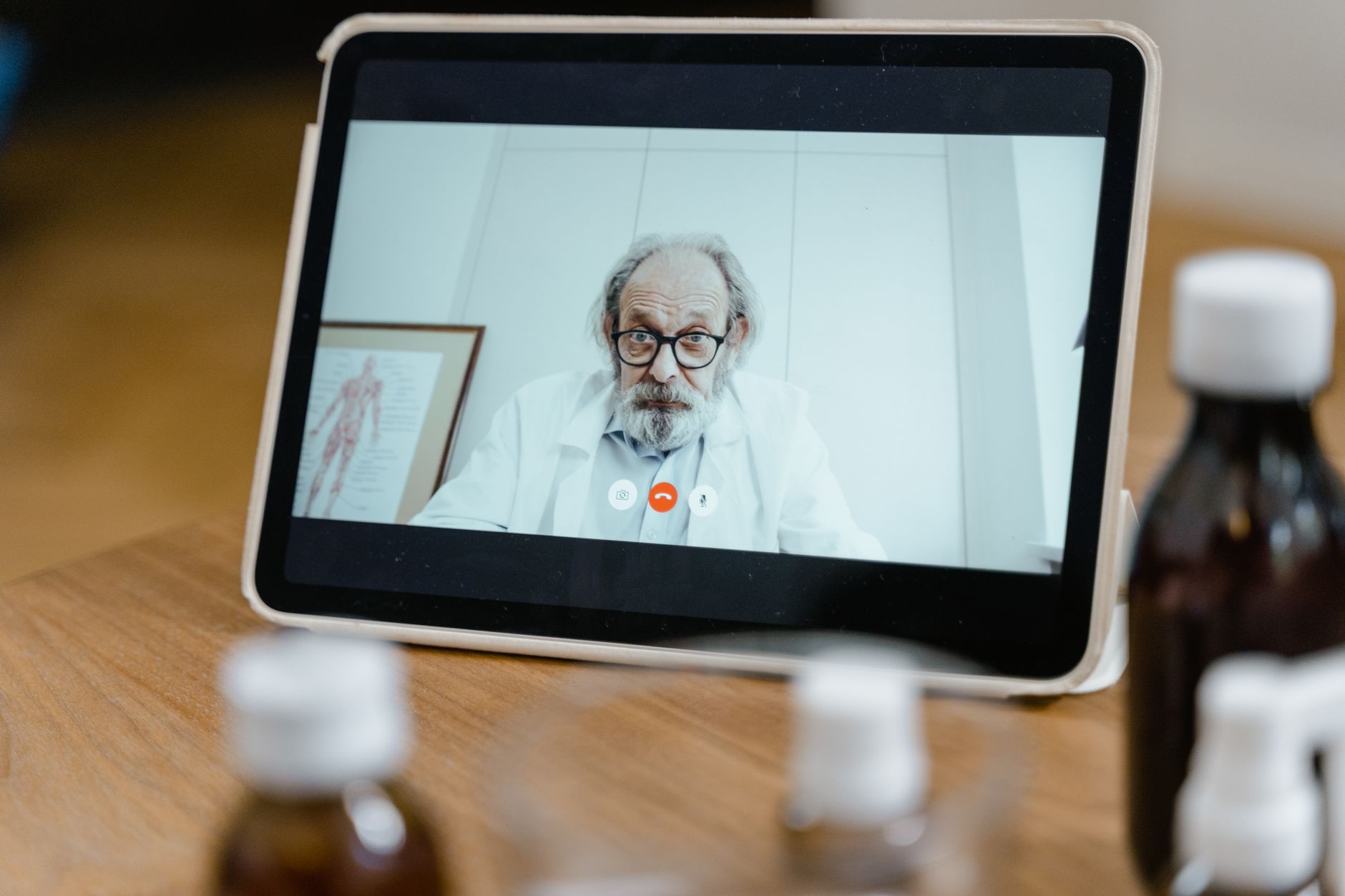
At the scheduled time, the patient logs into a secure platform, joining a video or phone call with their doctor. The consultation proceeds much like an in-person visit, with the doctor asking questions, assessing symptoms, and providing guidance.
Following the consultation, the doctor may provide a diagnosis, prescribe medication, recommend further tests, or schedule a follow-up. All records and prescriptions are typically managed digitally for easy access and continuity of care.
Understanding the Core Concept: What Exactly is Telemedicine?
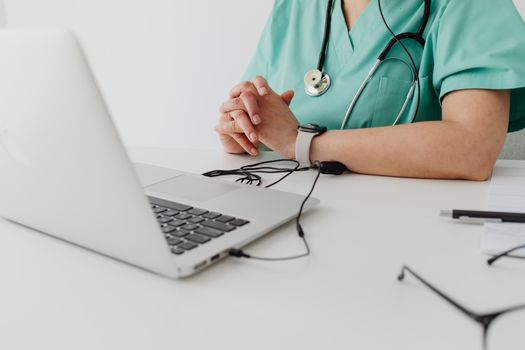 Photo: www.kaboompics.com / Pexels
The fundamental premise of telemedicine is to make healthcare more accessible, efficient, and patient-centric. It removes many of the traditional barriers to care, such as geographical isolation, transportation difficulties, and time constraints. Imagine living in a rural area where the nearest specialist is hundreds of miles away, or being a busy parent struggling to find time for an appointment. Telemedicine offers a lifeline in these situations, bringing expert medical advice directly to your home or office. It's not designed to replace all in-person care, but rather to complement it, creating a more flexible and responsive healthcare system. The technology involved can be as simple as a phone call or as sophisticated as real-time interactive video conferencing, secure messaging platforms, and wearable devices that collect health data. The key is the secure and compliant exchange of information, ensuring patient privacy and data integrity.
Historically, telemedicine has roots in basic telephone consultations, but the advent of high-speed internet, smartphones, and advanced computing has truly revolutionized its capabilities. Today, providers can conduct thorough assessments, review medical histories, and even observe physical symptoms through high-definition video. This technological leap has expanded the scope of conditions that can be managed remotely, from routine check-ups and chronic disease management to mental health counseling and post-operative follow-ups. For instance, a patient with diabetes can transmit their glucose readings daily to their endocrinologist, who can then adjust medication without the need for frequent office visits. This proactive and continuous monitoring can lead to better health outcomes and a more personalized care experience. The convenience factor for both patients and providers is immense, reducing wait times, administrative burdens, and the overall stress associated with traditional medical appointments. Understanding the evolution of medical technology helps to grasp the full impact of telemedicine's current capabilities.
The Mechanics: How Does Telemedicine Actually Work in Practice?
 Photo: Gustavo Fring / Pexels
When it's time for an appointment, the patient connects to their provider through a secure, encrypted video conference link. This isn't just any video call; these platforms are specifically designed for medical consultations, often featuring tools for sharing screens, uploading documents, and even annotating images. During the virtual visit, the doctor engages with the patient much as they would in an in-person setting. They ask about symptoms, review medical history, and discuss concerns. For certain conditions, visual inspection via video can be highly effective – for example, assessing skin rashes, observing movement post-injury, or evaluating mental health cues. The doctor can also guide the patient through simple self-examinations, such as checking for tenderness or describing specific pain locations.
Beyond synchronous video calls, telemedicine encompasses other modes of interaction. Asynchronous telemedicine, or 'store-and-forward,' involves the collection of medical data (like images, videos, or patient histories) which are then sent to a specialist for review at a later time. This is particularly useful in dermatology, radiology, and ophthalmology, where specialists can analyze data without needing to be present in real-time. Remote patient monitoring (RPM) is another critical component, where wearable devices or home medical equipment (like blood pressure cuffs, glucose meters, or pulse oximeters) automatically transmit patient data to their healthcare team. This continuous stream of data allows providers to track chronic conditions, detect potential issues early, and intervene proactively, significantly reducing hospital readmissions and improving long-term health management. The integration of these various technologies creates a comprehensive digital health ecosystem that supports continuous, coordinated care, moving beyond episodic interactions to a more holistic approach to patient well-being.
Key Benefits and Diverse Applications of Telemedicine Services
 Photo: Tima Miroshnichenko / Pexels
From a healthcare system perspective, telemedicine offers substantial operational efficiencies. It allows providers to manage their schedules more flexibly, see more patients in a day, and reduce no-show rates. It also helps alleviate the burden on emergency rooms by directing non-emergency cases to virtual consultations. Rural hospitals can leverage telemedicine to connect with urban specialists, providing higher quality care locally and reducing the need for patient transfers. This optimization of resources is crucial in a healthcare landscape often strained by demand and staffing shortages. The ability to monitor patients remotely also frees up hospital beds and reduces the need for frequent in-person follow-ups, leading to more efficient resource allocation within the medical facility.
The applications of telemedicine are incredibly broad and continue to expand. It is widely used for primary care consultations, allowing patients to discuss common illnesses like colds, flu, allergies, and minor injuries, as well as for prescription refills and routine follow-ups. Mental health services have seen a massive surge in telemedicine adoption, with telepsychiatry and teletherapy providing vital support for individuals dealing with anxiety, depression, and other mental health conditions, often reducing the stigma associated with seeking such help. Specialized fields like dermatology, cardiology, and endocrinology also benefit immensely from telemedicine, enabling specialists to review images, interpret diagnostic data, and manage chronic conditions remotely. Post-operative care, chronic disease management (e.g., diabetes, hypertension), and even some forms of physical therapy can be effectively conducted via telemedicine, ensuring continuity of care and empowering patients to actively participate in their health journey. Telemedicine is also proving invaluable in urgent care scenarios for non-life-threatening conditions, offering a quicker alternative to ER visits. Understanding these applications is key to appreciating how modern healthcare is adapting to patient needs.
Navigating Challenges and Best Practices for Telemedicine Success
 Photo: Tima Miroshnichenko / Pexels
Another significant challenge revolves around the limitations of remote physical examinations. While video consultations allow for visual assessment and verbal communication, a doctor cannot physically palpate, listen to heart and lung sounds with a stethoscope, or perform certain diagnostic tests remotely. This means telemedicine is not suitable for all medical conditions, particularly emergencies or complex diagnoses requiring hands-on examination. Providers must exercise sound clinical judgment to determine when an in-person visit is necessary and clearly communicate these limitations to patients. Misdiagnosis can occur if a physical exam is truly required and deferred, underscoring the importance of proper triaging and patient education.
Data privacy and security are paramount concerns. Healthcare information is highly sensitive, and telemedicine platforms must adhere to stringent security protocols to protect patient data from breaches. Both providers and patients need to be diligent about using secure networks and devices. Regulatory and reimbursement complexities also present ongoing challenges, as policies regarding telemedicine vary by state and insurer, creating a patchwork of rules that can be confusing for both parties. Providers need to stay updated on these evolving regulations to ensure compliance and proper billing. For patients, understanding their insurance coverage for telemedicine services is vital to avoid unexpected costs.
To ensure successful telemedicine experiences, several best practices emerge. For patients, having a stable internet connection, a quiet and private space, and preparing a list of symptoms and questions beforehand can significantly enhance the quality of the visit. For providers, clear communication about what can and cannot be achieved virtually, robust technical support for patients, and ongoing training for staff on telemedicine platforms are essential. Utilizing secure, user-friendly platforms and integrating telemedicine into the broader electronic health record system facilitates seamless care coordination. Furthermore, establishing protocols for when to transition a virtual visit to an in-person one is critical for patient safety. By proactively addressing these challenges and adhering to best practices, telemedicine can continue to expand its role as an indispensable component of modern healthcare, offering accessible and effective care to a wider population.
Comparison
| Feature | Telemedicine | In-Person Visit | Urgent Care Clinic |
|---|---|---|---|
| Convenience | High (from anywhere) | Low (travel required) | Medium (travel, wait times) |
| Accessibility | High (reduces barriers) | Medium (geographic, mobility limits) | Medium (geographic limits) |
| Cost (Patient) | Often lower co-pay, no travel | Higher co-pay, travel costs | Medium-High co-pay |
| Physical Exam | Limited (visual only) | Comprehensive | Limited to moderate |
| Wait Times | Typically short | Can be long | Variable, often long |
| Exposure to Illness | Minimal | Possible in waiting rooms | Possible in waiting rooms |
| Continuity of Care | Excellent (with regular provider) | Excellent | Episodic |
| Best For | Routine, follow-ups, chronic care, mental health | Complex, emergencies, new issues, physicals | Non-emergency acute issues |
What Readers Say
"I was skeptical at first about what is telemedicine and how does it work, but my virtual appointment for a persistent cough was incredibly efficient. The doctor was thorough, prescribed medication, and I never had to leave my house. It saved me so much time and hassle."
Sarah J. · Austin, TX"Telemedicine has been a game-changer for managing my chronic migraines. My neurologist can check in, adjust meds, and discuss my symptoms without me having to drive hours to their office. It works seamlessly and provides consistent care."
Mark D. · Denver, CO"As a busy mom, understanding what is telemedicine and how does it work allowed me to get a prescription refill and discuss my child's minor rash with a pediatrician quickly. The convenience meant I didn't have to pull my kids out of school or wait in a germy waiting room. Highly recommend!"
Emily R. · Miami, FL"My experience with telemedicine for a follow-up after surgery was mostly positive. It was great to connect with my surgeon without traveling. The only minor hiccup was a brief internet issue on my end, but we reconnected quickly. It's a fantastic option for certain types of care."
David L. · Seattle, WA"I used telemedicine for my mental health therapy sessions, and it's been incredibly impactful. Being able to connect with my therapist from my own space makes me feel more comfortable and open. It's truly transformed how I access crucial support."
Jessica M. · Chicago, ILFrequently Asked Questions
What types of conditions can be treated via telemedicine?
Telemedicine is suitable for a wide range of conditions, including common illnesses like colds, flu, allergies, and minor infections. It's also excellent for managing chronic conditions such as diabetes and hypertension, mental health counseling, prescription refills, and post-operative follow-ups. However, it's not ideal for emergencies or conditions requiring a physical hands-on examination.
Is telemedicine secure and private?
Yes, reputable telemedicine platforms are designed with robust security measures to protect patient privacy. They typically comply with regulations like HIPAA (Health Insurance Portability and Accountability Act) in the US, using encrypted connections and secure data storage to ensure your health information remains confidential.
How do I prepare for a telemedicine appointment?
To prepare, ensure you have a stable internet connection and a quiet, private space. Have your medical history, current medications, and a list of your symptoms or questions ready. It's also helpful to have good lighting if it's a video call, and test your microphone and camera beforehand.
Is telemedicine covered by insurance?
Many insurance providers, including Medicare and Medicaid, now cover telemedicine services, especially since the COVID-19 pandemic accelerated its adoption. Coverage can vary by plan and state, so it's always best to check with your specific insurance provider about your benefits and any associated co-pays.
How does telemedicine compare to an in-person doctor's visit?
Telemedicine offers greater convenience, reduces travel time and costs, and minimizes exposure to illnesses. However, it lacks the ability for a hands-on physical examination, which is crucial for certain diagnoses. It's best suited for routine care, follow-ups, and conditions where visual assessment and verbal discussion are sufficient, while in-person visits remain essential for complex issues, emergencies, and comprehensive physicals.
Who should consider using telemedicine services?
Telemedicine is an excellent option for individuals seeking convenient access to healthcare, particularly those with busy schedules, limited mobility, or living in rural areas. It's also beneficial for managing chronic conditions, receiving mental health support, and addressing minor acute illnesses without needing to visit a physical clinic.
Are prescriptions issued via telemedicine valid?
Yes, doctors can legally prescribe most medications during a telemedicine consultation, provided it is clinically appropriate and within the scope of their practice and state regulations. Controlled substances may have more restrictions, but routine prescriptions are commonly issued and sent electronically to your preferred pharmacy.
What is the future outlook for telemedicine?
The future of telemedicine is bright, with continuous advancements in technology and increasing integration into mainstream healthcare. We can expect more sophisticated diagnostic tools, AI-powered assistance, expanded remote monitoring capabilities, and a greater focus on personalized, preventative care delivered virtually, making healthcare even more accessible and efficient.
Embrace the convenience and accessibility of modern healthcare. Now that you understand what is telemedicine and how does it work, consider exploring virtual care options with your provider to see how it can enhance your health journey.