What is Telemedicine and How Does it Work? Your Guide

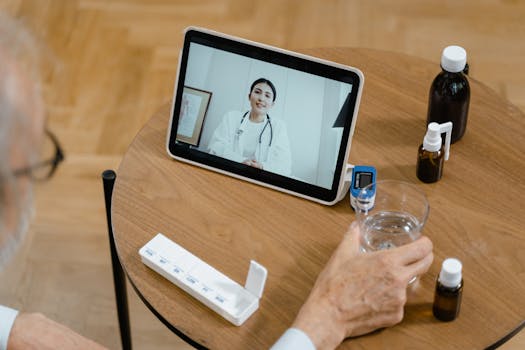
Senior adult having a virtual doctor consultation on a tablet with medications on the table.Photo: Tima Miroshnichenko / Pexels

What is Telemedicine and How Does it Work? Your Guide

Explore the world of virtual care, understanding its mechanics and how it's revolutionizing access to health services.

Start Your Virtual Visit

Key Takeaways

  • ✓ Telemedicine uses technology to provide healthcare remotely.
  • ✓ It encompasses virtual visits, remote monitoring, and mobile health.
  • ✓ Benefits include convenience, accessibility, and cost-effectiveness.
  • ✓ Regulations and insurance coverage vary by state and plan in the US.

How It Works

1
Schedule Your Appointment

Patients typically book an appointment online or through a provider's app. They select a convenient time and often specify the reason for their visit.

2
Connect with Your Provider

At the scheduled time, patients connect with their doctor via video call, phone, or secure messaging. This usually requires a smartphone, tablet, or computer with internet access.

3
Receive Diagnosis & Treatment

During the virtual consultation, the provider assesses symptoms, offers a diagnosis, and discusses treatment options. They can also send prescriptions to a local pharmacy.

4
Follow-Up & Ongoing Care

Many telemedicine platforms facilitate follow-up appointments and ongoing management of chronic conditions. Patients can often securely access their medical records and communicate with their care team.

Understanding the Fundamentals of Telemedicine and Its Evolution

Senior adult having a virtual doctor consultation on a tablet with medications on the table.Photo: Tima Miroshnichenko / Pexels
Telemedicine, at its core, refers to the practice of providing healthcare services remotely using telecommunications technology. It’s not a futuristic concept anymore; it’s a present-day reality rapidly reshaping how millions of Americans access medical care. To truly grasp what is telemedicine and how it works, we must first appreciate its expansive scope and historical trajectory. While the concept of remote medical advice might seem new, its roots can be traced back to the early 20th century with radio consultations for sailors. However, the advent of the internet, high-speed data transfer, and sophisticated video conferencing tools has propelled telemedicine into the mainstream, especially in the last decade. The COVID-19 pandemic acted as a significant catalyst, forcing widespread adoption and demonstrating its indispensable value in maintaining continuity of care during unprecedented times. Beyond simple video calls, telemedicine encompasses a broad spectrum of services. It includes live interactive video consultations, often referred to as synchronous telemedicine, where patients and providers communicate in real-time. This is perhaps the most recognizable form, allowing for immediate diagnosis, treatment discussions, and even virtual physical examinations when appropriate. Then there's asynchronous telemedicine, or 'store-and-forward,' where medical information like images, lab results, or patient histories are collected and transmitted to a specialist for review at a later time. This is particularly useful in dermatology, radiology, and pathology, where expert analysis of static data is crucial. Furthermore, remote patient monitoring (RPM) allows healthcare providers to track a patient’s vital signs, glucose levels, or heart rhythms from afar, providing crucial data for managing chronic conditions and preventing hospital readmissions. Mobile health, or mHealth, also falls under the telemedicine umbrella, utilizing mobile devices like smartphones and tablets for health-related services and information. This includes health apps, medication reminders, and educational resources. Together, these components form a comprehensive ecosystem designed to deliver flexible, accessible, and often more efficient healthcare. The driving forces behind telemedicine's growth are multifaceted. Firstly, it addresses significant geographical barriers, providing access to specialists and primary care for individuals in rural or underserved areas where healthcare facilities might be scarce. Secondly, it offers unparalleled convenience, eliminating the need for travel, parking, and waiting room times, which can be a substantial burden for many, especially those with mobility issues or demanding schedules. Thirdly, it holds the potential for cost reduction, both for patients (fewer travel expenses, time off work) and for the healthcare system (reduced emergency room visits for non-emergencies, more efficient use of provider time). Understanding these fundamental aspects is crucial to understanding what is telemedicine and how it works to benefit a diverse patient population across the United States. The regulatory landscape, while still evolving, has also adapted to support this growth, with many states and federal programs expanding coverage for telehealth services, further solidifying its place in modern healthcare. For a deeper dive into specific services, consider exploring telehealth services for chronic conditions.

The Mechanics: How Telemedicine Appointments Work in Practice

Senior adult having a virtual doctor consultation on a tablet with medications on the table.Photo: Tima Miroshnichenko / Pexels
Delving into the practical application of what is telemedicine and how it works reveals a streamlined process designed for patient ease and provider efficiency. The journey typically begins with scheduling an appointment. Many healthcare systems and dedicated telemedicine platforms offer online portals or mobile applications where patients can browse available providers, select a suitable time slot, and often specify the reason for their visit. This initial step often involves completing a brief digital intake form, much like you would in a traditional clinic, providing personal details, medical history, and current symptoms. Some platforms even allow for integration with electronic health records (EHRs), making past medical information readily accessible to the consulting provider. Once the appointment is scheduled, patients receive instructions on how to connect. This usually involves downloading a specific app, clicking a secure link sent via email or text, or logging into a patient portal. The technology used for these virtual consultations is built with security and privacy as paramount concerns, employing end-to-end encryption to protect sensitive health information, adhering to HIPAA (Health Insurance Portability and Accountability Act) guidelines. On the day of the appointment, patients typically log in a few minutes early to ensure their audio and video are working correctly. They might be placed in a virtual 'waiting room' until their provider is ready. The virtual consultation itself mirrors an in-person visit in many ways. The provider will greet the patient, review their medical history and stated reason for the visit, and engage in a dialogue to understand their symptoms. While a physical examination is limited, providers are adept at using visual cues and patient descriptions to make assessments. They might ask the patient to perform certain movements, describe pain locations, or even demonstrate specific symptoms. For example, a dermatologist can assess a skin rash through high-resolution video, or a mental health professional can conduct a therapy session entirely virtually. Following the assessment, the provider will discuss potential diagnoses, recommend treatment plans, and answer any questions the patient may have. If medication is needed, an e-prescription can be sent directly to the patient's preferred pharmacy. If further tests or in-person follow-ups are required, the provider will facilitate referrals or schedule subsequent appointments. The entire process is designed to be as comprehensive and effective as possible, leveraging technology to bridge the geographical gap and provide timely medical care. This operational efficiency is a key component of understanding what is telemedicine and how it works to improve healthcare delivery.

Diverse Applications: Beyond the Virtual Doctor's Office

Senior adult having a virtual doctor consultation on a tablet with medications on the table.Photo: Tima Miroshnichenko / Pexels
The true breadth of what is telemedicine and how it works extends far beyond simple virtual doctor's visits, encompassing a rich tapestry of applications that cater to a wide array of medical needs. One of the most impactful areas is chronic disease management. For individuals living with conditions like diabetes, hypertension, or heart disease, regular monitoring and adjustments to treatment plans are crucial. Telemedicine, particularly through remote patient monitoring (RPM) devices, allows healthcare providers to track vital signs, blood sugar levels, blood pressure, and other critical metrics from the comfort of the patient's home. This continuous data stream enables proactive interventions, reduces the likelihood of complications, and empowers patients to take a more active role in managing their health. For example, a patient with diabetes can transmit their glucose readings daily, allowing their endocrinologist to adjust insulin dosages without requiring an office visit. Another significant application lies in mental health services. Telepsychiatry and teletherapy have seen a monumental surge in popularity and acceptance, offering discreet and convenient access to mental health professionals. For many, the stigma associated with seeking mental healthcare, coupled with geographical limitations or lack of available specialists, has been a significant barrier. Telemedicine breaks down these barriers, providing a safe and private space for individuals to receive counseling, psychotherapy, and medication management from licensed professionals. This has proven particularly beneficial for individuals in rural areas, those with anxiety disorders that make leaving home difficult, or those with demanding schedules. Studies have shown that virtual mental health sessions can be just as effective as in-person ones. Specialized care also benefits immensely from telemedicine. Rural hospitals or primary care physicians can consult with urban specialists in fields like neurology, cardiology, or infectious diseases through teleconsultations, often referred to as 'e-consults.' This ensures that patients in remote areas receive expert opinions without having to travel long distances, significantly improving access to high-level care. Teleradiology, where radiologists interpret medical images (X-rays, MRIs, CT scans) remotely, and teledermatology, where dermatologists diagnose skin conditions from submitted images, are well-established examples of asynchronous telemedicine that enhance efficiency and reach. Furthermore, emergency telemedicine allows paramedics or on-scene medical personnel to connect with emergency room physicians for real-time guidance during critical situations, potentially saving lives. The integration of telemedicine into various medical specialties highlights its versatility and its capacity to enhance healthcare delivery across the board. Understanding these diverse applications is key to a holistic view of what is telemedicine and how it works to improve health outcomes for all Americans. Explore how virtual healthcare platforms are making these services more accessible.

Maximizing Your Telemedicine Experience: Tips for Patients

Senior adult having a virtual doctor consultation on a tablet with medications on the table.Photo: Tima Miroshnichenko / Pexels
To fully leverage the benefits of what is telemedicine and how it works, patients can take several proactive steps to ensure a smooth and effective virtual healthcare experience. These tips can help you prepare for your appointment and get the most out of your interaction with your provider: * **Choose a Private and Quiet Location:** Just like an in-person visit, privacy is paramount. Find a quiet room where you won't be interrupted and can speak freely about your health concerns without being overheard. This ensures confidentiality and allows you to focus entirely on your consultation. * **Test Your Technology in Advance:** Before your appointment, check your internet connection, webcam, and microphone. Ensure your device is fully charged or plugged in. Download any necessary apps or software ahead of time to avoid last-minute technical glitches that could delay or disrupt your visit. * **Prepare Your Information:** Have a list of your symptoms, their onset, and their severity ready. Jot down any questions you have for your doctor. Have a list of your current medications, including dosages, and any allergies. This preparation helps ensure you cover all important points during your consultation. * **Be Ready to Describe Thoroughly:** Since your doctor can't physically examine you, be prepared to describe your symptoms in detail. Be specific about pain locations, visual changes, or any other relevant observations. If possible, have good lighting for video calls to help the doctor see any visible symptoms. * **Understand Your Insurance Coverage:** Before your appointment, contact your insurance provider to confirm that telemedicine services are covered under your plan. Understand any co-pays or deductibles that may apply to virtual visits to avoid unexpected bills. * **Follow Up as Directed:** If your provider recommends further tests, prescriptions, or follow-up appointments, ensure you understand the next steps. Don't hesitate to ask for clarification if anything is unclear. Many platforms offer secure messaging for post-visit questions. By following these tips, you can make your telemedicine appointments as productive and beneficial as possible, maximizing the convenience and effectiveness that virtual care offers.

Comparison

FeatureTelemedicineIn-Person VisitUrgent Care Clinic
ConvenienceHigh (from home/office)Low (travel, parking, waiting)Medium (travel, waiting)
AccessibilityHigh (remote areas, mobility issues)Medium (geographical limits)Medium (location dependent)
Cost (Patient)Often Lower (no travel, less time off)Higher (travel, parking, time off)Moderate (can be costly for non-emergencies)
Physical ExamLimited (visual, patient description)ComprehensiveBasic to moderate
Specialist Access✓ (easier access)✗ (often long waits)✗ (rarely available)
Privacy✓ (secure platforms)✓ (private rooms)✓ (private rooms)
Immediate Emergency Care✗ (not for emergencies)

What Our Readers Say

5 ★★★★★

"I was skeptical about what is telemedicine and how it works, but my virtual appointment for a persistent cough was incredibly efficient. The doctor was thorough, I got a prescription sent to my pharmacy, and I didn't have to leave my house. A true game-changer for busy parents!"

5 ★★★★★

"Living in a rural area, access to specialists is tough. Telemedicine allowed me to consult with a dermatologist in another state about a skin condition. The ease of connecting and getting expert advice without a 3-hour drive was invaluable."

5 ★★★★★

"My therapist switched to telemedicine during the pandemic, and it's been fantastic. I can have my sessions from the comfort of my home, which helps me feel more relaxed and open. Understanding what is telemedicine and how it works for mental health has significantly improved my well-being."

4 ★★★★☆

"While I appreciate the convenience of telemedicine for routine check-ups and prescription refills, I sometimes miss the personal touch of an in-person visit. For minor issues, it's perfect, but for complex diagnostics, I'd still prefer to see my doctor face-to-face."

5 ★★★★★

"As a busy professional, I often put off doctor visits. Telemedicine has changed that. I can fit appointments into my lunch break, and the quality of care is excellent. It’s amazing to see what is telemedicine and how it works to integrate into our daily lives so seamlessly."

Frequently Asked Questions

Most searched question about what is telemedicine and how does it work?
Telemedicine utilizes telecommunications technology to provide healthcare services remotely. It works by connecting patients with healthcare providers through video calls, phone calls, or secure messaging platforms, allowing for diagnosis, treatment, prescription refills, and monitoring without the need for an in-person visit. This broad definition includes everything from a virtual doctor's appointment to remote monitoring of chronic conditions.
Is telemedicine secure and private?
Yes, reputable telemedicine platforms are built with robust security measures to ensure patient privacy. They are typically HIPAA compliant, meaning they adhere to strict federal regulations designed to protect sensitive patient health information. Data encryption, secure logins, and private communication channels are standard practices to safeguard your medical data.
How do I prepare for a telemedicine appointment?
To prepare, ensure you have a stable internet connection and a quiet, private space. Test your camera and microphone beforehand. Have a list of your symptoms, current medications, and any questions ready. Being prepared helps your provider make an accurate assessment and ensures you get the most out of your virtual visit.
Is telemedicine more affordable than in-person care?
Telemedicine can often be more affordable. While consultation fees can be comparable, patients save on indirect costs like travel, parking, and time off work. Additionally, some insurance plans may offer lower co-pays for virtual visits. It's always best to check with your insurance provider for specific coverage details.
How does telemedicine compare to an in-person doctor's visit?
Telemedicine offers greater convenience and accessibility, especially for routine check-ups, follow-ups, and minor illnesses. However, it cannot replace the comprehensive physical examination possible during an in-person visit. For emergencies, complex diagnoses requiring physical touch, or procedures, in-person care remains essential. Both serve different, yet complementary, roles in healthcare.
Who should use what is telemedicine and how does it work?
Telemedicine is ideal for individuals seeking convenient access to healthcare for non-emergency conditions, chronic disease management, mental health support, prescription refills, and specialist consultations. It's particularly beneficial for those in rural areas, individuals with mobility challenges, or busy professionals who find it difficult to attend traditional appointments.
Are there any risks associated with telemedicine?
While generally safe, potential risks include misdiagnosis due to the lack of a physical exam, technological issues disrupting communication, and challenges in establishing a strong doctor-patient rapport for some. However, providers are trained to identify when an in-person visit is necessary, and robust protocols are in place to mitigate most risks.
What are the future trends for telemedicine?
The future of telemedicine is bright, with trends pointing towards further integration with AI for diagnostics, expanded use of wearable devices for remote monitoring, virtual reality for therapy and medical training, and greater interoperability between platforms and electronic health records. It's expected to become an even more central component of healthcare delivery.

Now that you understand what is telemedicine and how it works, take the next step towards convenient healthcare. Explore virtual care options today and experience the future of medical consultations from the comfort of your home.

Topics: what is telemedicine and how does it workvirtual healthcaretelehealth servicesremote medical careonline doctor visits
Leo List
Brampton weed
Adultwork