✓ Telemedicine uses technology to deliver healthcare services remotely.
✓ It encompasses virtual consultations, remote monitoring, and digital prescription services.
✓ Telemedicine can significantly improve access to specialists and reduce travel time.
✓ Many insurance plans now cover telemedicine services, making it more affordable.
How It Works
1
Scheduling Your Virtual Appointment
Patients typically schedule a telemedicine appointment through a healthcare provider's online portal or a dedicated telemedicine platform. This often involves selecting a time, provider, and providing basic medical information.
2
Connecting with Your Provider
At the scheduled time, patients connect with their doctor via a secure video conferencing platform on a computer, tablet, or smartphone. This secure connection ensures privacy and compliance with healthcare regulations.
3
Receiving Diagnosis and Treatment
During the virtual visit, the doctor will discuss symptoms, medical history, and may ask the patient to perform simple physical assessments. Based on this, they can provide a diagnosis, treatment plan, and e-prescribe medications if necessary.
4
Follow-up and Remote Monitoring
Many telemedicine platforms facilitate follow-up appointments and offer remote patient monitoring for chronic conditions. This allows providers to track health metrics and adjust care plans proactively without requiring in-person visits.
Understanding the Core Concepts of Telemedicine
Photo: Tessy Agbonome / Pexels
Telemedicine, at its core, represents the delivery of healthcare services from a distance using telecommunications technology. It’s far more than just a video call with your doctor; it's a comprehensive approach to patient care that leverages digital tools to bridge geographical gaps and enhance accessibility. The foundational idea behind telemedicine is to ensure that quality medical attention isn't limited by location, mobility, or even time constraints. This revolutionary shift in healthcare delivery has been steadily gaining traction, offering a compelling alternative and complement to traditional in-person visits.
When we delve into what is telemedicine and how it works, it's crucial to distinguish it from the broader term 'telehealth.' While often used interchangeably, telemedicine generally refers specifically to clinical services – diagnostics, treatment, monitoring, and education – delivered remotely. Telehealth, on the other hand, encompasses a wider array of remote non-clinical services, including administrative meetings, provider training, and continuing medical education. However, for the purpose of patient understanding, the terms frequently overlap, with telemedicine being the patient-facing component that most individuals interact with directly.
The technological backbone of telemedicine is surprisingly robust yet user-friendly. It relies on secure, encrypted platforms that comply with stringent privacy regulations like HIPAA (Health Insurance Portability and Accountability Act) in the United States. These platforms facilitate real-time interactive video and audio communication, allowing patients and providers to engage in conversations as if they were in the same room. Beyond live interactions, telemedicine also includes 'store-and-forward' technology, where medical information like images (e.g., dermatological photos, X-rays) or patient data is securely transmitted to a specialist for review at a later time. Remote patient monitoring (RPM) is another critical component, involving the use of devices to collect and transmit vital signs, blood glucose levels, or other health data from the patient's home to their healthcare team.
The adoption of telemedicine has been accelerated by various factors, including advancements in internet infrastructure, the proliferation of smartphones, and a growing demand for convenience and efficiency in healthcare. It addresses significant challenges within the traditional healthcare system, such as shortages of specialists in rural areas, long wait times for appointments, and the financial and logistical burden of travel for medical care. By bringing the doctor to the patient, rather than the other way around, telemedicine is fundamentally reshaping how we think about and access medical services, making healthcare more patient-centric and responsive to individual needs. Understanding these core concepts is the first step in appreciating the profound impact telemedicine has on modern healthcare. For more insights into how technology is transforming healthcare, you can explore digital health innovations.
Diverse Applications and Benefits of Virtual Healthcare
Photo: www.kaboompics.com / Pexels
The versatility of telemedicine extends across numerous medical specialties and scenarios, demonstrating its broad applicability and significant benefits. It's not just for minor ailments; virtual healthcare is being successfully utilized for chronic disease management, mental health support, post-operative care, and even certain types of urgent care needs. For instance, individuals managing conditions like diabetes, hypertension, or asthma can have regular check-ins with their specialists, review their data from remote monitoring devices, and adjust medication or lifestyle recommendations without the need for frequent in-person clinic visits. This continuous engagement can lead to better adherence to treatment plans and improved health outcomes.
Mental health services have seen an enormous surge in telemedicine adoption, particularly given the sensitive nature of these consultations and the ongoing stigma sometimes associated with seeking in-person care. Telepsychiatry and teletherapy offer a comfortable, private, and accessible way for patients to connect with therapists, psychologists, and psychiatrists from their own homes. This eliminates travel time, reduces anxiety for some patients, and expands access to mental health professionals, especially in underserved areas where specialists might be scarce. The convenience of scheduling and attending sessions has been a game-changer for many individuals struggling with mental health conditions, allowing for more consistent and timely support.
Beyond specialized care, telemedicine provides substantial benefits in terms of accessibility and efficiency. For patients in rural areas, it can mean the difference between receiving timely care and having to travel hours to the nearest specialist. For individuals with mobility issues or those who are immunocompromised, telemedicine offers a safe and convenient way to receive medical attention without the risks associated with public transportation or crowded waiting rooms. Parents of young children often find virtual visits invaluable for addressing pediatric concerns without the disruption of bringing a sick child to a clinic. Employers also benefit from reduced absenteeism as employees can often fit virtual appointments into their workday with minimal interruption.
Economically, telemedicine can lead to significant cost savings for both patients and the healthcare system. Patients save on travel expenses, parking fees, and lost wages from taking time off work. Healthcare providers can operate more efficiently by optimizing their schedules and reducing overhead costs associated with physical office space. Furthermore, by facilitating earlier interventions and better management of chronic conditions, telemedicine can help prevent more serious and costly health complications down the line. The data collected through remote monitoring can also empower patients to take a more active role in managing their own health, fostering greater self-efficacy and improving long-term wellness. The diverse applications and undeniable benefits solidify telemedicine's role as a critical component of modern healthcare delivery.
Navigating the Technology and Ensuring Privacy in Telemedicine
Photo: cottonbro studio / Pexels
Successfully engaging with telemedicine requires a basic understanding of the technology involved, but rest assured, it's designed to be user-friendly for most individuals. The primary tools you'll need are a reliable internet connection, a device with a camera and microphone (such as a smartphone, tablet, or computer), and access to the specific telemedicine platform your provider uses. Many platforms are accessible directly through a web browser, while others may require downloading a dedicated app. Prior to your appointment, it's always a good idea to test your equipment and internet connection to avoid any last-minute technical glitches. Most providers will send detailed instructions on how to join your virtual visit, often including a test link or a helpline for technical support.
One of the most frequent concerns patients have about telemedicine is the security and privacy of their health information. It’s a legitimate concern, and healthcare providers are legally and ethically obligated to ensure the confidentiality of your data. In the U.S., the Health Insurance Portability and Accountability Act (HIPAA) sets stringent standards for protecting sensitive patient health information. Reputable telemedicine platforms are built with HIPAA compliance in mind, employing robust encryption protocols for all communications and data storage. This means that your virtual consultations are as private and secure as an in-person visit, and your medical records are protected from unauthorized access.
When choosing a telemedicine provider or platform, it's wise to ensure they clearly outline their privacy policies and security measures. Look for indications of HIPAA compliance, data encryption, and secure login procedures. Be cautious of platforms that don't explicitly address these concerns. Furthermore, patients themselves play a role in maintaining privacy. Always conduct your virtual visits in a private space where you can speak freely without being overheard. Use a secure Wi-Fi network rather than public Wi-Fi, which can be more vulnerable to security risks. By being mindful of your environment and the platform's security features, you can have confidence in the privacy of your telemedicine interactions.
Beyond privacy, the quality of the virtual interaction is paramount. While a virtual visit cannot fully replicate a physical examination, advanced telemedicine tools are constantly evolving. Some providers may use peripherals like digital stethoscopes or otoscopes that can transmit real-time data to the clinician. However, for most routine consultations, a clear video and audio connection are sufficient for effective communication, diagnosis, and treatment planning. Understanding these technological and privacy aspects helps demystify telemedicine, making it a more comfortable and trustworthy option for managing your healthcare needs. For more on protecting your personal information, consider resources on digital privacy in healthcare.
Maximizing Your Telemedicine Experience: Tips and Considerations
Photo: Tima Miroshnichenko / Pexels
To get the most out of your telemedicine appointments, a little preparation goes a long way. Here are some essential tips and considerations to ensure a smooth, productive, and secure virtual healthcare experience:
* **Prepare Your Environment:** Choose a quiet, well-lit, and private space where you won't be interrupted. Ensure you have good cellular service or a stable Wi-Fi connection. Consider using headphones for better audio quality and privacy.
* **Test Your Technology:** Before your appointment, test your camera, microphone, and internet connection. Make sure your device is fully charged or plugged in. If using an app, download and set it up well in advance.
* **Gather Information:** Have your medical history, current medications (including dosages), allergies, and any relevant symptoms or questions written down. This helps ensure you cover all important points during your limited appointment time.
* **Be Specific About Symptoms:** Clearly describe your symptoms, when they started, how severe they are, and any factors that make them better or worse. The more detail you provide, the better your doctor can assess your condition.
* **Ask Questions:** Don't hesitate to ask your doctor questions about your diagnosis, treatment plan, side effects of medications, or next steps. It's helpful to write these down beforehand.
* **Understand Limitations:** Be aware that some conditions may require an in-person examination or specific tests that cannot be performed virtually. Your doctor will advise you if an in-person follow-up is necessary.
* **Verify Insurance Coverage:** Before your appointment, confirm with your insurance provider that telemedicine services are covered and understand any co-pays or deductibles that may apply.
* **Follow Up:** If you have new symptoms, concerns, or if your condition isn't improving, don't wait for your next scheduled appointment. Reach out to your provider for further guidance.
By following these tips, you can enhance the effectiveness and convenience of your telemedicine visits, making them a valuable part of your overall healthcare strategy. Telemedicine is not a replacement for all in-person care, but when used appropriately, it offers an incredibly powerful tool for accessible and efficient medical support. Consider how these practices can integrate into your routine for optimal health management.
Comparison
Feature
Telemedicine
In-Person Visit
Urgent Care Clinic
Convenience
High (from home)
Low (travel, wait)
Moderate (travel, wait)
Access to Specialists
High (geographic reach)
Limited (local only)
Low (general care)
Cost (Patient Out-of-Pocket)
Often Lower
Potentially Higher
Moderate to High
Privacy
✓ (secure platforms)
✓ (private office)
✓ (private rooms)
Physical Exam
Limited
Full
Partial
Wait Times
Short/Scheduled
Can be Long
Moderate to Long
Emergency Care Suitability
✗
✓
✓ (non-life-threatening)
What Readers Say
★★★★★
"I was skeptical about what is telemedicine and how it works, but my virtual appointment for a persistent cough was incredibly efficient. The doctor was thorough, diagnosed me quickly, and sent a prescription to my pharmacy within minutes. It saved me hours of travel and waiting time."
Sarah J. · Austin, TX
★★★★★
"For my mental health therapy, telemedicine has been a lifesaver. It allows me to connect with my therapist from the comfort of my home, which makes me feel more open and comfortable. It's incredibly convenient and has improved my consistency with sessions."
Mark D. · Denver, CO
★★★★★
"My son had an ear infection, and rather than going to the clinic and exposing him to more germs, we did a telemedicine visit. The pediatrician was able to assess him virtually and prescribe antibiotics. He felt better the next day, all thanks to the ease of remote care."
Emily R. · Miami, FL
★★★★★
"Telemedicine is great for routine check-ups and follow-ups. While I appreciate the convenience, for more complex issues, I still prefer an in-person visit where a physical exam can be performed. It's a fantastic tool, but it has its limits."
David L. · Seattle, WA
★★★★★
"As someone with a chronic condition, remote patient monitoring through telemedicine has been invaluable. My doctor can track my vitals daily and adjust my medication without constant office visits. It gives me peace of mind and better control over my health."
Jessica M. · Chicago, IL
Frequently Asked Questions
What types of conditions can be treated through telemedicine?
Telemedicine is suitable for a wide range of non-emergency conditions, including colds, flu, allergies, rashes, minor infections, mental health conditions, chronic disease management, and prescription refills. For emergencies or conditions requiring a physical exam, an in-person visit is still necessary.
Is telemedicine secure and private?
Yes, reputable telemedicine platforms are designed to be HIPAA-compliant, meaning they use advanced encryption and security measures to protect your personal health information. Your virtual consultations are as private as in-person visits.
How do I prepare for a telemedicine appointment?
Ensure you have a stable internet connection, a device with a camera and microphone, and a private, quiet space. Have your medical history, current medications, and any questions ready. Test your technology beforehand to avoid delays.
How much does telemedicine cost, and is it covered by insurance?
The cost of telemedicine varies by provider and service. Many insurance plans, including Medicare and Medicaid, now cover telemedicine services, often with similar co-pays to in-person visits. It's best to check with your specific insurance provider for details.
How does telemedicine compare to an in-person doctor's visit?
Telemedicine offers greater convenience, accessibility, and often lower costs for routine and follow-up care. While it may lack the full physical examination capability of an in-person visit, it excels in managing chronic conditions, mental health, and minor illnesses effectively and efficiently.
Who should use telemedicine?
Telemedicine is ideal for individuals seeking convenient access to healthcare, those in rural areas, people with mobility challenges, busy professionals, and anyone needing follow-up care or management of chronic conditions. It's also great for minor illnesses where a physical exam isn't critical.
Are there any risks associated with telemedicine?
While generally safe, potential risks include misdiagnosis if a physical exam is truly needed, technological glitches interrupting care, and privacy breaches if using non-secure platforms. However, most reputable providers mitigate these risks through secure systems and careful patient screening.
What is the future outlook for telemedicine?
The future of telemedicine is bright, with continued growth expected. It will likely integrate more advanced remote monitoring devices, AI-powered diagnostics, and become an even more integral part of hybrid care models, offering a seamless blend of virtual and in-person services.
Embrace the future of healthcare by exploring what is telemedicine and how it works to provide convenient, high-quality medical care tailored to your needs. Discover how virtual visits can fit seamlessly into your life and empower you to take control of your health from anywhere.
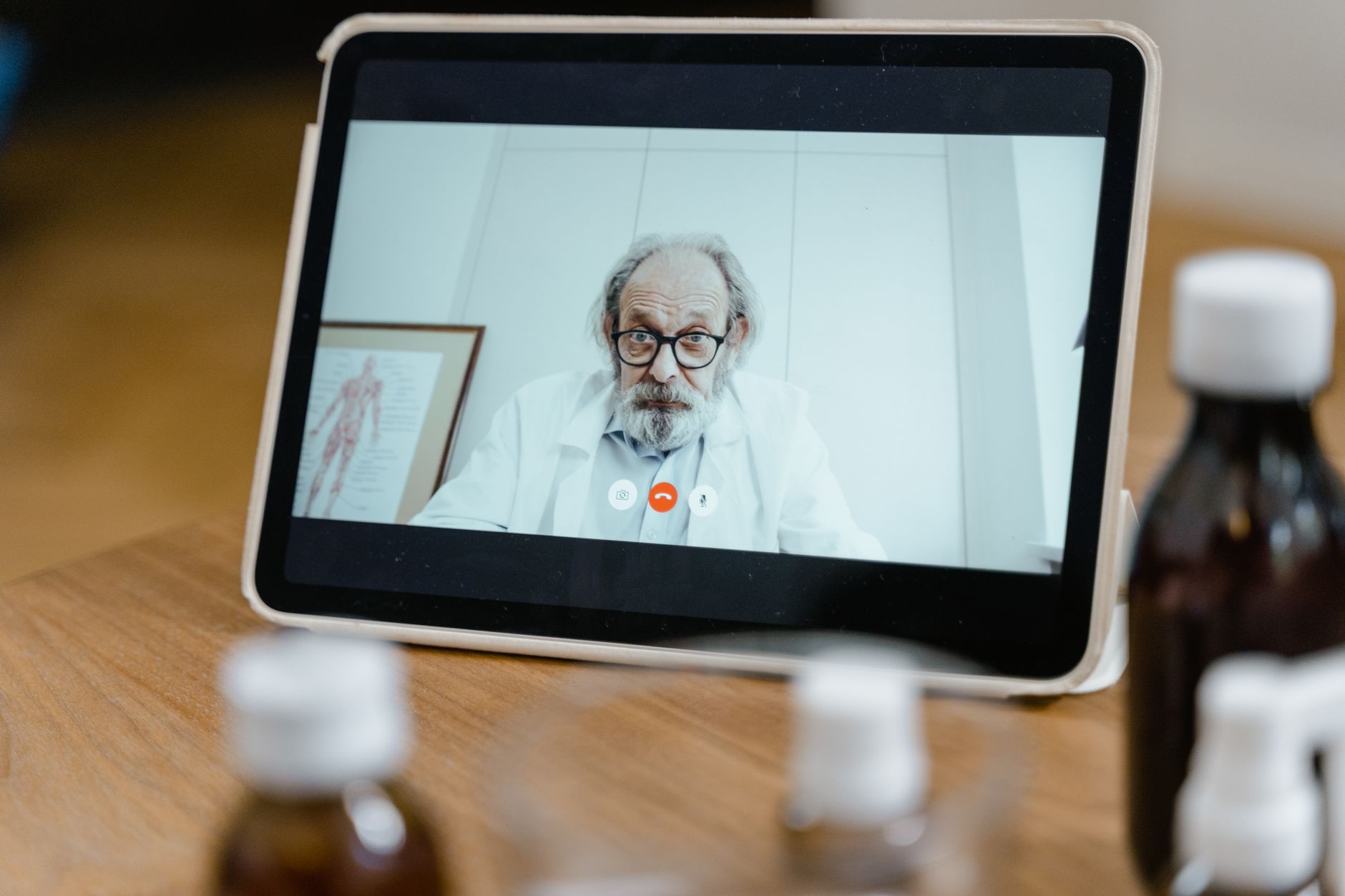
 Photo: Tessy Agbonome / Pexels
 Photo: www.kaboompics.com / Pexels
 Photo: cottonbro studio / Pexels
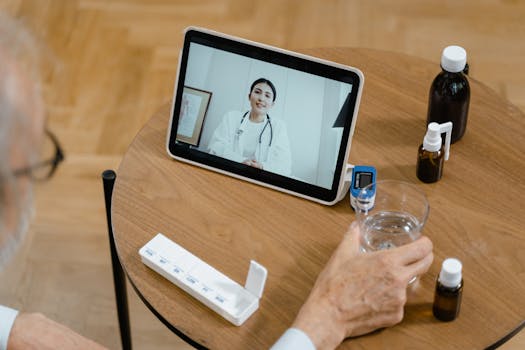 Photo: Tima Miroshnichenko / Pexels