What is Telemedicine Used For? Your Digital Health Guide
what is telemedicine used for

What is Telemedicine Used For? Your Digital Health Guide

Unlock the power of virtual care for convenient, accessible, and comprehensive health management from your home.

Explore Telehealth Now

Key Takeaways

  • ✓ Telemedicine encompasses a wide range of services, not just video calls.
  • ✓ It significantly improves access to specialists, especially in rural areas.
  • ✓ Many insurance plans, including Medicare and Medicaid, now cover telemedicine.
  • ✓ Data security and patient privacy are paramount in telemedicine platforms.

How It Works

1
Choose Your Service

Identify the type of care you need, whether it's a general consultation, specialist visit, or mental health support. Many platforms offer diverse options tailored to your health concerns.

2
Schedule & Connect

Book an appointment online, often with same-day availability. You'll typically connect with a healthcare provider via video, phone, or secure messaging from your computer or smartphone.

3
Receive Diagnosis & Treatment

During your virtual visit, the doctor will assess your symptoms, provide a diagnosis, and recommend a treatment plan. This can include prescriptions, referrals, or self-care advice.

4
Follow-Up & Ongoing Care

Many telemedicine platforms facilitate easy follow-up appointments and continuous monitoring. This ensures you receive consistent care and can track your progress effectively.

Understanding the Scope of Telehealth Services

Elderly male doctor in office, wearing glasses, ready for telemedicine session. Photo: Tima Miroshnichenko / Pexels
In an increasingly connected world, the question 'what is telemedicine used for?' is becoming central to how we approach healthcare. Telemedicine, often used interchangeably with telehealth, refers to the practice of providing healthcare services remotely using telecommunications technology. It’s far more than just a video call with a doctor; it encompasses a vast array of services designed to make healthcare more accessible, efficient, and patient-centric. This digital transformation is reshaping the medical landscape, offering solutions to long-standing challenges like geographical barriers, specialist shortages, and the inconvenience of traditional appointments. One of the primary uses of telemedicine is for routine medical consultations. Instead of taking time off work or arranging childcare for a minor ailment, patients can now consult with a general practitioner for conditions such as colds, flu, allergies, rashes, or urinary tract infections. These virtual visits allow doctors to assess symptoms, provide diagnoses, and prescribe medications, all without the need for an in-person appointment. This convenience is a significant driver of telemedicine's growing popularity, saving patients time and reducing exposure to other illnesses in waiting rooms. Beyond general practice, telemedicine is extensively used for specialist consultations. Accessing specialists, particularly in rural or underserved areas, can be a major hurdle. Telemedicine bridges this gap by allowing patients to connect with dermatologists, endocrinologists, cardiologists, and other specialists from their homes. For example, a patient with a suspicious mole can send photos to a dermatologist for an initial assessment, or someone with a chronic heart condition can have a follow-up with their cardiologist without traveling long distances. This expands the reach of specialized care, ensuring more people receive timely and expert medical advice. Another critical application lies in chronic disease management. Conditions like diabetes, hypertension, and asthma require ongoing monitoring and adjustments to treatment plans. Telemedicine facilitates this through remote patient monitoring (RPM), where devices collect vital health data (e.g., blood sugar levels, blood pressure) and transmit it securely to healthcare providers. Doctors can then review this data, identify trends, and intervene proactively, often preventing serious complications. This continuous oversight empowers patients to better manage their conditions and leads to improved health outcomes. The ability to track progress and receive immediate feedback without constant in-person visits significantly enhances the quality of life for individuals living with chronic illnesses. Learn more about chronic care management. This proactive approach helps in reducing hospitalizations and emergency room visits, making healthcare more sustainable and effective.

Expanding Access: Mental Health, Urgent Care, and Rehabilitation
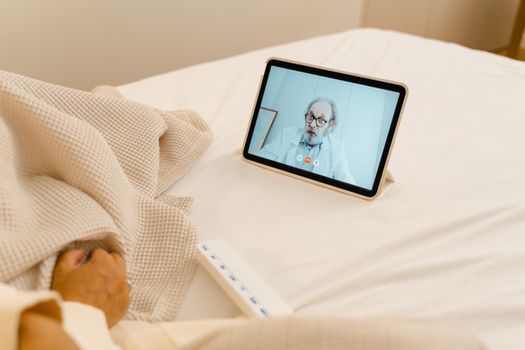
Patient in bed having a virtual consultation with a doctor via tablet. Photo: Tima Miroshnichenko / Pexels
The utility of telemedicine extends dramatically into areas that traditionally faced significant access barriers, notably mental health, urgent care, and rehabilitation services. Mental health support, in particular, has seen a revolutionary shift with the advent of telehealth. For many individuals, the stigma associated with seeking mental health care, coupled with a shortage of providers and geographical limitations, has been a major impediment. Telemedicine offers a discreet, comfortable, and convenient way to access therapists, psychiatrists, and counselors. Patients can engage in virtual therapy sessions, medication management appointments, and support groups from the privacy of their homes, fostering an environment conducive to open communication and healing. This expanded access is crucial for addressing the growing mental health crisis, making it easier for people to get the help they need without the added stress of travel or public visibility. Urgent care is another area where telemedicine proves invaluable. While not a substitute for emergency room visits for life-threatening conditions, virtual urgent care can handle a wide array of non-emergency issues that require prompt attention. This includes conditions like minor cuts, sprains, cold and flu symptoms, sinus infections, and eye infections. Instead of waiting hours in a physical urgent care clinic, patients can connect with a provider quickly, often within minutes, receive a diagnosis, and get prescriptions electronically. This not only saves time and reduces discomfort but also helps to alleviate the burden on emergency departments, allowing them to focus on more critical cases. The speed and efficiency of virtual urgent care make it an attractive option for immediate, non-life-threatening health concerns. Rehabilitation services, including physical therapy, occupational therapy, and speech therapy, are also effectively delivered through telemedicine. Patients recovering from injuries, surgeries, or neurological events often require consistent therapy to regain function. Tele-rehabilitation allows therapists to conduct virtual sessions, guiding patients through exercises, assessing their progress, and providing real-time feedback. This is particularly beneficial for patients with mobility issues or those residing in remote areas, ensuring continuity of care and adherence to treatment plans. The ability to demonstrate exercises and observe patient movements via video calls allows therapists to tailor programs effectively, promoting recovery and preventing setbacks. This innovative approach to rehabilitation ensures that patients can maintain their therapy schedule regardless of their location or physical limitations, leading to better long-term outcomes. Furthermore, telemedicine is increasingly utilized for pre- and post-operative care. Surgeons can conduct pre-operative consultations, explaining procedures and answering patient questions, reducing the need for multiple in-person visits. Post-operatively, virtual check-ups allow doctors to monitor recovery, assess wound healing, and address any concerns, ensuring a smooth recuperation process. This not only enhances patient convenience but also optimizes hospital resources and reduces the risk of hospital-acquired infections by minimizing unnecessary physical contact.

The Transformative Impact on Specialized Medical Fields
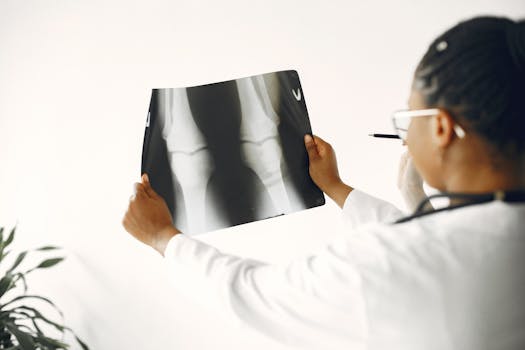
A doctor closely examining a patient's knee X-ray for orthopedic evaluation. Photo: Gustavo Fring / Pexels
The question of 'what is telemedicine used for?' extends deeply into highly specialized medical fields, fundamentally transforming how these critical services are delivered. One significant area is radiology and pathology, where telemedicine has enabled teleradiology and telepathology. Radiologists can interpret X-rays, MRIs, CT scans, and other imaging studies remotely, providing expert diagnoses to hospitals and clinics that may not have on-site specialists. This is particularly vital in rural settings or during off-hours, ensuring that patients receive timely and accurate interpretations regardless of location. Similarly, telepathology allows pathologists to analyze tissue samples and provide diagnoses from afar, accelerating diagnostic processes and facilitating access to subspecialty expertise. These applications significantly improve diagnostic turnaround times and ensure consistent quality of care across diverse geographical areas. Discover more about medical imaging advancements. Telemedicine also plays a crucial role in ophthalmology and dermatology. For ophthalmology, tele-ophthalmology allows specialists to review retinal images and conduct virtual eye exams, which is particularly useful for screening conditions like diabetic retinopathy or glaucoma in remote communities. This early detection can prevent severe vision loss. In dermatology, teledermatology enables patients to send images of skin conditions to dermatologists for assessment. This can be used for initial screenings, monitoring chronic skin diseases like eczema or psoriasis, and even for follow-up appointments after procedures. The visual nature of these specialties makes them particularly well-suited for telemedicine, improving efficiency and access to expert opinions without requiring a physical presence. Moreover, critical care and emergency medicine are benefiting from telemedicine through tele-ICU and tele-stroke programs. In a tele-ICU, intensivists and critical care nurses can remotely monitor multiple intensive care units, providing expert guidance to on-site staff, especially in smaller hospitals without dedicated intensivists. This ensures that critically ill patients receive high-level care around the clock. Tele-stroke programs allow neurologists to rapidly assess stroke patients in remote emergency rooms via video, helping local physicians make quick, informed decisions about administering clot-busting drugs (tPA), which are time-sensitive and crucial for patient outcomes. These applications demonstrate how telemedicine can literally save lives by bringing specialized expertise to the point of need, regardless of physical distance. Nutritional counseling and dietetics also leverage telemedicine effectively. Registered dietitians can conduct virtual consultations with patients to develop personalized meal plans, manage dietary restrictions for chronic conditions, or provide weight management support. This offers significant convenience for individuals who might struggle to attend in-person appointments due to busy schedules or mobility issues. The continuity of care provided through virtual sessions helps patients maintain healthy eating habits and achieve their nutritional goals more effectively. The personalized nature of these interactions, combined with the flexibility of virtual platforms, makes nutritional counseling highly accessible and impactful for a diverse patient population.

Maximizing Your Virtual Care: Tips and Best Practices
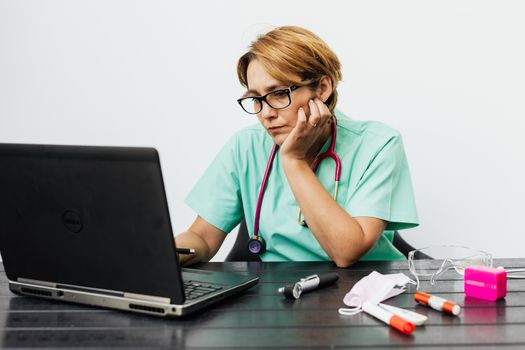
Focused nurse with eyeglasses working on a laptop surrounded by medical tools on a desk. Photo: www.kaboompics.com / Pexels
To truly benefit from 'what is telemedicine used for,' it's essential for patients to understand how to maximize their virtual care experience. While incredibly convenient, a successful telehealth appointment requires a bit of preparation and an understanding of best practices. **Tips for a Successful Telemedicine Appointment:** * **Choose the Right Environment:** Find a quiet, well-lit, and private space where you won't be interrupted. This ensures you can focus on your conversation with the doctor and discuss sensitive information comfortably. * **Test Your Technology:** Before your appointment, ensure your internet connection is stable, your device (computer, tablet, or smartphone) is fully charged, and your microphone and camera are working. Download any necessary apps or software in advance. * **Prepare Your Information:** Just like an in-person visit, have a list of your symptoms, their duration, any medications you're currently taking (including over-the-counter drugs and supplements), and your medical history ready. Be prepared to discuss allergies and any relevant family medical history. * **Write Down Questions:** Jot down any questions or concerns you have for the doctor beforehand. This helps ensure you cover everything important during your limited appointment time and don't forget crucial points. * **Be Specific About Symptoms:** Clearly and concisely describe your symptoms. The more detailed you are, the better the doctor can understand your condition and provide an accurate diagnosis. Use descriptive language about pain, discomfort, and other sensations. * **Understand Your Treatment Plan:** Don't hesitate to ask for clarification on your diagnosis, prescribed medications, or follow-up instructions. Make sure you understand how to take any new medications, potential side effects, and when you should expect to see improvement. * **Follow Up as Needed:** If you have further questions after your appointment or if your symptoms don't improve as expected, don't hesitate to contact your provider for a follow-up. Many platforms offer secure messaging for this purpose. By following these simple tips, patients can significantly enhance the effectiveness and convenience of their telemedicine visits, ensuring they receive the best possible care from their virtual healthcare providers.

Comparison

FeatureTelemedicineIn-Person VisitUrgent Care Clinic
ConvenienceHigh (from anywhere)Low (travel, parking)Medium (wait times)
AccessibilityExcellent (rural, mobility issues)Limited (geography, transport)Good (local availability)
Cost (Out-of-Pocket)Often lower, variable by insuranceVariable, typically higher co-paysModerate to high co-pays
Wait TimesShort, often same-dayLong, can be days/weeksModerate, often hours
Scope of ServicesBroad (GP, specialists, mental health)Comprehensive (physical exams, procedures)Limited (acute, non-emergency)
PrivacyExcellent (secure platforms)Good (private exam room)Good (private exam room)
Physical ExamLimited (visual, patient input)Full (hands-on assessment)Partial (basic physical)

What Readers Say

"I used telemedicine for a persistent cough and was so impressed. The doctor listened attentively, diagnosed me quickly, and sent a prescription to my pharmacy within minutes. It truly showed me what is telemedicine used for in a practical, time-saving way."

Sarah J. · Austin, TX

"Living in a rural area, getting to a specialist used to mean a full day of travel. Now, thanks to telemedicine, I can have my follow-up with my dermatologist from my living room. It's a game-changer for access to expert care."

David L. · Helena, MT

"My virtual therapy sessions have been incredibly helpful. It's so much easier to fit into my schedule, and I feel more comfortable discussing personal matters from home. Telemedicine has definitely improved my mental well-being."

Maria G. · Miami, FL

"While telemedicine is fantastic for many things, I did find it challenging when I needed a physical exam for a stomach issue. However, for my allergy medication refills and general questions, it's incredibly convenient and efficient."

Mark T. · Chicago, IL

"As a busy mom, getting to the doctor for my kids' minor illnesses was always a struggle. With telemedicine, I can get them checked out without leaving the house, saving so much time and stress. It's perfect for common pediatric issues."

Emily R. · Denver, CO

Frequently Asked Questions

What is telemedicine primarily used for in the US today?

Telemedicine in the US is primarily used for routine medical consultations for common illnesses (colds, flu), chronic disease management (diabetes, hypertension), mental health therapy and medication management, urgent care for non-emergency conditions, and specialist consultations, especially in underserved areas. It also covers remote patient monitoring and post-operative follow-ups, significantly improving access and convenience.

Is telemedicine secure and private?

Yes, reputable telemedicine platforms are designed with robust security measures to protect patient data and privacy. They are typically HIPAA-compliant, using encrypted connections and secure storage for electronic health records, ensuring that your personal health information remains confidential during virtual consultations and data transmission.

How do I get started with a telemedicine appointment?

To get started, you'll typically need to choose a telemedicine provider or platform (often through your insurance, employer, or a direct-to-consumer service). You'll then register, schedule an appointment online, and connect with a healthcare professional via video call or secure messaging using a smartphone, tablet, or computer. Ensure you have a stable internet connection and a private space.

Is telemedicine more expensive than traditional in-person visits?

Generally, telemedicine can be more cost-effective. Many insurance plans, including Medicare and Medicaid, now cover telemedicine services, often with lower co-pays than in-person visits. The cost can vary by provider and service, but it also saves patients money on travel, parking, and time off work, making it a valuable option.

How does telemedicine compare to an in-person doctor's visit?

Telemedicine excels in convenience, accessibility, and speed for conditions that don't require a physical exam or immediate hands-on intervention. In-person visits are essential for comprehensive physical exams, vaccinations, complex diagnostic procedures, and emergencies. Telemedicine complements traditional care, extending reach and efficiency rather than fully replacing it.

Who should consider using telemedicine services?

Anyone seeking convenient access to healthcare for non-emergency conditions, individuals in rural areas with limited access to specialists, those with chronic conditions requiring ongoing monitoring, people needing mental health support, and busy professionals or parents who benefit from flexible scheduling should consider telemedicine. It's suitable for a wide range of patient needs.

Are there any risks or limitations to using telemedicine?

While highly beneficial, telemedicine has limitations. It may not be suitable for life-threatening emergencies, conditions requiring immediate physical intervention (e.g., severe trauma), or diagnoses that rely heavily on physical examination. There's also a risk of misdiagnosis if insufficient information is provided, and technical glitches can sometimes disrupt appointments. Clear communication and appropriate triage are key.

What future trends can we expect in telemedicine?

Future trends in telemedicine include greater integration with AI for diagnostics and personalized treatment plans, expanded use of wearables and IoT devices for advanced remote patient monitoring, increased adoption of virtual reality (VR) for therapy and medical training, and a broader scope of services covering more complex medical conditions. We can also expect more seamless interoperability between different healthcare systems.

Understanding what is telemedicine used for empowers you to make informed decisions about your healthcare. Embrace the convenience, accessibility, and comprehensive care that virtual health solutions offer. Explore telemedicine options today to connect with quality medical professionals from the comfort of your home and take control of your well-being.

Topics: what is telemedicine used fortelehealth servicesonline doctor visitsvirtual care benefitsremote healthcare
Leo List
Brampton weed
Adultwork EstrelaBet Vai de Bet R7 Bet Betão Galera Bet Rainbet Bet9ja Shop SportyBet BetKing Sisal Loto Foot Hollywoodbets YesPlay Odibets RushBet Jugabet BetWarrior BetCity MSport betPawa Fortebet