What Is Telemedicine Used For? Your Digital Health Guide
what is telemedicine used for

What Is Telemedicine Used For? Your Digital Health Guide

Unlock the power of virtual care, bringing healthcare convenience and accessibility directly to you, wherever you are.

Explore Telemedicine Now

Key Takeaways

  • ✓ Telemedicine encompasses a wide range of services, from video consultations to remote monitoring.
  • ✓ It significantly improves access to specialists, especially in rural or underserved areas.
  • ✓ Many insurance plans, including Medicare and Medicaid, now cover telemedicine services.
  • ✓ The COVID-19 pandemic accelerated telemedicine adoption, proving its critical role in modern healthcare.

How It Works

1
Schedule Your Virtual Visit

Choose a telemedicine provider or your existing doctor's virtual service. Book an appointment online, often selecting your preferred date and time.

2
Prepare Your Device

Ensure you have a reliable internet connection and a device with a camera and microphone (smartphone, tablet, or computer). Test your equipment beforehand.

3
Connect with Your Provider

At your scheduled time, log into the secure platform. You'll connect with your doctor via video, phone, or secure messaging, discussing your health concerns.

4
Receive Diagnosis & Treatment

Your provider will assess your symptoms, offer a diagnosis, and recommend a treatment plan. This may include prescriptions, referrals, or further instructions.

Understanding the Scope of Telehealth Services

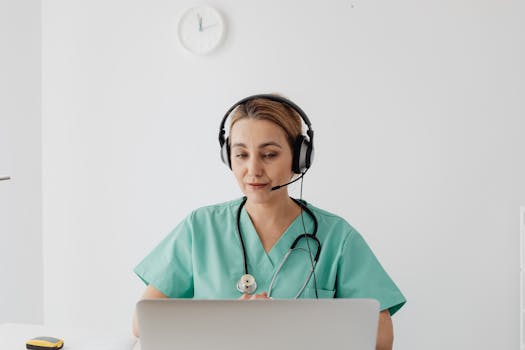
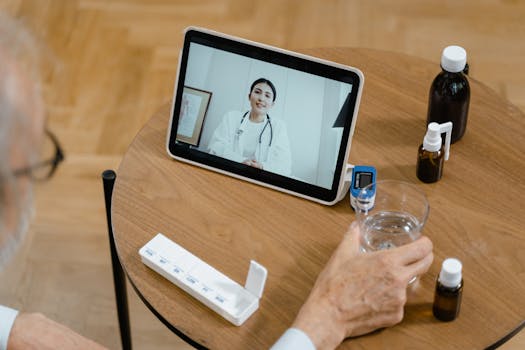
Telemedicine, often used interchangeably with telehealth, refers to the use of electronic information and telecommunications technologies to support long-distance clinical healthcare, patient and professional health education, public health, and health administration. While 'telehealth' is a broader term encompassing all these aspects, 'telemedicine' specifically focuses on the clinical services delivered remotely. The primary goal of understanding what is telemedicine used for is to recognize its vast potential in making healthcare more accessible, efficient, and patient-centric. It’s not just about a video call with your doctor; it's a comprehensive ecosystem designed to bridge geographical gaps and time constraints that often hinder traditional in-person care. From a patient's perspective, telemedicine offers unparalleled convenience. Imagine waking up with a sore throat, and instead of rearranging your schedule to drive to a clinic, waiting in a lobby, and potentially exposing yourself to other illnesses, you can simply log onto a secure platform from your home. Within minutes, you're speaking to a licensed physician who can assess your symptoms, provide a diagnosis, and even send a prescription to your local pharmacy. This immediate access can be crucial, especially for minor ailments that don't warrant an emergency room visit but still require timely medical attention. For individuals living in rural areas, where specialist physicians might be hundreds of miles away, telemedicine transforms the landscape of care, bringing expertise directly to their living rooms. This significantly reduces travel time, costs, and the need for time off work or school, making healthcare more equitable across different demographics and geographies. Beyond simple consultations, the scope of telemedicine extends to remote monitoring of chronic conditions. Devices that track blood pressure, glucose levels, heart rate, and even oxygen saturation can transmit data directly to healthcare providers. This continuous stream of information allows doctors to proactively adjust treatment plans, intervene before a crisis occurs, and empower patients to take a more active role in managing their health. For conditions like diabetes, hypertension, or congestive heart failure, this constant oversight can lead to better health outcomes and a higher quality of life. Furthermore, telemedicine plays a vital role in mental health services, offering discreet and convenient access to therapists and psychiatrists. The comfort of one's own home can reduce the stigma often associated with seeking mental health support, encouraging more individuals to get the help they need. Learn more about the benefits of remote care. Moreover, telemedicine facilitates inter-provider consultations, allowing general practitioners to quickly consult with specialists on complex cases without requiring the patient to travel. This collaborative approach enhances diagnostic accuracy and treatment planning. Educational resources are also a significant component; many telemedicine platforms offer patient education materials, symptom checkers, and health tips, empowering individuals with knowledge to make informed decisions about their well-being. The evolution of telemedicine is continuous, with new technologies and applications emerging regularly, further expanding its utility and integration into the fabric of modern healthcare.

Common Conditions and Services Addressed by Telemedicine

One of the most frequent questions people ask is, 'what is telemedicine used for in practical terms?' The answer is incredibly broad, encompassing a vast array of conditions and services that were once exclusively handled in person. For many, telemedicine has become the first point of contact for non-emergency medical concerns, offering a convenient and efficient alternative to traditional clinic visits. Let's delve into the specific areas where virtual care truly shines. **Acute, Non-Emergency Conditions:** Telemedicine is exceptionally well-suited for diagnosing and treating common, acute conditions that do not require a physical examination involving touch or specialized equipment. This includes ailments such as colds, flu, allergies, sinus infections, urinary tract infections (UTIs), skin rashes, pink eye, and sore throats. During a virtual consultation, the doctor can visually assess symptoms through video, ask detailed questions about your medical history and current discomfort, and often make an accurate diagnosis. If a prescription is needed, it can be sent electronically to your pharmacy, saving you a trip. This convenience is particularly valuable for busy professionals, parents with young children, or anyone with limited mobility. **Chronic Disease Management:** For individuals managing long-term health conditions, telemedicine offers significant advantages. Regular follow-up appointments for conditions like diabetes, hypertension, asthma, and thyroid disorders can often be conducted virtually. This allows physicians to monitor medication effectiveness, review self-reported data (e.g., blood sugar readings, blood pressure logs), discuss lifestyle adjustments, and answer any patient questions. Remote patient monitoring (RPM) devices further enhance this, transmitting vital signs and other health data directly to the care team, enabling proactive interventions and reducing the likelihood of complications. This continuous oversight can lead to better adherence to treatment plans and improved overall health outcomes. **Mental Health Services:** Perhaps one of the most impactful applications of telemedicine is in mental healthcare. Virtual therapy sessions, counseling, and psychiatric evaluations have become increasingly popular, offering a discreet and accessible way to receive support. The comfort of being in one's own environment can make it easier for individuals to open up and discuss sensitive topics. Telemedicine has significantly expanded access to mental health professionals, especially in areas with a shortage of providers, and has helped to reduce the stigma associated with seeking psychological help. From anxiety and depression to stress management and grief counseling, a wide range of mental health needs can be effectively addressed through tele-psychiatry and tele-counseling. **Specialty Consultations and Follow-ups:** While some specialty care requires in-person visits, many aspects can be handled remotely. Dermatologists can often diagnose skin conditions from high-resolution images or video. Neurologists can conduct follow-ups for stable conditions. Cardiologists can review remote EKG readings or discuss medication adjustments. Post-operative follow-ups, particularly after minor procedures, can also be done virtually, saving patients the discomfort and effort of traveling back to the clinic. This is especially beneficial for patients who have undergone surgery or have conditions that make travel difficult. Furthermore, genetic counseling, nutritional advice, and lactation consulting are other areas where telemedicine provides invaluable support, offering expert guidance without geographical barriers.

The Benefits and Limitations of Virtual Medical Care

Understanding what is telemedicine used for also requires a balanced view of its advantages and where it might fall short. The widespread adoption of virtual medical care has brought numerous benefits, transforming how many Americans access healthcare. However, it's crucial to recognize that telemedicine is a powerful tool, but not a universal solution, and its effectiveness depends heavily on the specific medical need and the patient's circumstances. A thoughtful approach involves leveraging its strengths while being mindful of its limitations. **Key Benefits of Telemedicine:** * **Increased Access to Care:** This is perhaps the most significant advantage. Telemedicine removes geographical barriers, allowing patients in rural or underserved areas to connect with specialists they might otherwise never see. It also provides access for individuals with limited mobility, chronic illnesses that make travel difficult, or those without reliable transportation. This democratizes healthcare, ensuring more people can receive timely and appropriate medical attention. * **Convenience and Time Savings:** Patients can consult with doctors from the comfort of their home or office, eliminating travel time, parking hassles, and lengthy waits in crowded waiting rooms. This saves valuable time and reduces the disruption to daily routines, making it easier to integrate healthcare into busy lives. For parents, it means not having to arrange childcare to attend an appointment. * **Cost Efficiency:** For both patients and healthcare systems, telemedicine can lead to cost savings. Patients save on travel expenses, lost wages from taking time off work, and sometimes even lower co-pays for virtual visits. For providers, it can reduce overhead costs associated with maintaining large physical facilities and staffing. It can also prevent unnecessary emergency room visits by providing accessible care for non-urgent issues. * **Continuity of Care:** Telemedicine supports ongoing management of chronic conditions and facilitates regular follow-ups, ensuring patients stay on track with their treatment plans. This continuous engagement can lead to better health outcomes and fewer complications. It also allows for easier communication between patients and their care teams, fostering a stronger patient-provider relationship. * **Reduced Exposure to Illness:** During flu season or public health crises, virtual visits minimize the risk of exposure to infectious diseases for both patients and healthcare workers. This was particularly evident during the COVID-19 pandemic, where telemedicine became a critical tool for safely delivering care. **Limitations and Considerations:** * **Inability for Physical Examination:** The most obvious limitation is the inability to perform a hands-on physical exam. Doctors cannot palpate, listen to heart/lung sounds with a stethoscope, or conduct certain diagnostic tests remotely. This means telemedicine is not suitable for conditions requiring immediate physical assessment, such as severe abdominal pain, deep wounds, or complex neurological issues. In such cases, an in-person visit or emergency care is essential. * **Technology Requirements:** Patients need a reliable internet connection and a device (smartphone, tablet, computer) with a camera and microphone. Those without access to these technologies, or who are uncomfortable using them, may face barriers to accessing virtual care. Digital literacy can also be a factor, particularly for older adults. * **Privacy and Security Concerns:** While telemedicine platforms are designed to be secure and HIPAA-compliant, some patients may still have concerns about the privacy of their health information transmitted electronically. Ensuring robust security measures and educating patients about them is crucial. * **Diagnostic Limitations:** For conditions where a definitive diagnosis relies on laboratory tests, imaging (X-rays, MRIs), or specialized in-person procedures, telemedicine can only go so far. It can facilitate initial assessments and referrals, but cannot replace the need for these physical diagnostic tools. Explore how technology is reshaping healthcare. * **Establishing Rapport:** While many providers successfully build rapport virtually, some patients prefer the personal connection of an in-person visit. For complex or sensitive issues, a face-to-face interaction can sometimes foster greater trust and understanding. Building a strong patient-provider relationship through virtual means requires intentional effort and excellent communication skills. In conclusion, telemedicine is a powerful complement to traditional healthcare, offering unparalleled convenience and access for a wide range of conditions. However, it's not a replacement for all in-person care, and discerning when to use each is key to optimizing health outcomes. Patients should always consult with their healthcare provider to determine if a virtual visit is appropriate for their specific needs.

Tips for a Successful Virtual Doctor Visit

To maximize the benefits of understanding what is telemedicine used for, and to ensure your virtual consultation is as effective as an in-person one, preparation is key. A little forethought can make a significant difference in the quality of care you receive and your overall experience. Here are some actionable tips to help you prepare for a successful virtual doctor visit: * **Choose a Quiet, Private Location:** Find a well-lit, quiet, and private space where you won't be interrupted. This ensures confidentiality and allows you to focus entirely on your conversation with the doctor. Avoid public spaces or areas with background noise. * **Test Your Technology Ahead of Time:** Ensure your internet connection is stable and your device's camera and microphone are working correctly. Charge your device or plug it in. If using a new platform, try logging in a few minutes early to troubleshoot any technical glitches. Having headphones can also improve audio clarity and privacy. * **Prepare a List of Symptoms and Questions:** Before your appointment, write down all your symptoms, when they started, how severe they are, and any factors that make them better or worse. Also, list any questions you have for the doctor regarding your condition, treatment options, or next steps. This helps ensure you cover all your concerns. * **Have Your Medical Information Handy:** Gather relevant medical history, including current medications (with dosages), allergies, and any recent test results or previous diagnoses. If you use a blood pressure cuff or glucose monitor at home, have your recent readings available. This comprehensive information helps the doctor make an accurate assessment. * **Be Ready to Show:** For conditions like rashes, cuts, or physical symptoms, be prepared to show the affected area to the camera if appropriate. Ensure the lighting is good, and you can clearly articulate what you're seeing or feeling. Your doctor might guide you on how to best position yourself or the camera. * **Take Notes During the Call:** Keep a pen and paper or a digital note-taking app nearby to jot down important information, instructions, or prescriptions from your doctor. This helps you remember key details and follow through on the recommended plan. * **Clarify Next Steps:** Before ending the call, ensure you understand the diagnosis (if applicable), the treatment plan, any prescribed medications, and when or if a follow-up is needed. Don't hesitate to ask for clarification if anything is unclear. Confirm how prescriptions will be sent and if any referrals are being made. * **Understand Billing and Insurance:** If you haven't already, confirm with your provider or insurance company how telemedicine visits are billed and what your out-of-pocket costs might be. This avoids any surprises later on. Most major insurance plans, including Medicare and Medicaid, now cover virtual visits, but coverage details can vary. By following these tips, you can ensure your telemedicine appointment is efficient, productive, and provides you with the best possible care from the comfort and convenience of your chosen location. Telemedicine is a powerful tool when used effectively, bridging the gap between patients and providers.

Comparison

FeatureTelemedicineIn-Person Clinic VisitEmergency Room
ConvenienceHigh (from home/work)Moderate (travel, waiting)Low (urgent, often long waits)
Access to SpecialistsExcellent (remote access)Good (geographical limits)Limited (for emergencies only)
Physical ExamLimited (visual only)ComprehensiveComprehensive
CostOften lower co-pay/feesStandard co-pay/feesHighest co-pay/fees
PrivacySecure platforms, private settingPrivate exam roomLess private, busy environment
Suitable ConditionsMinor ailments, chronic care, mental healthMost conditions, preventative careLife-threatening, severe injury/illness

What Readers Say

"I used telemedicine for a persistent sinus infection, and it was incredibly convenient. My doctor diagnosed me and sent a prescription to my pharmacy within an hour, all without leaving my office. It's amazing what is telemedicine used for now!"

Sarah J. · Austin, TX

"Managing my diabetes used to involve frequent clinic visits, but now with telemedicine, my doctor monitors my glucose remotely and we have quick video check-ins. It's made my life so much easier and my health has actually improved."

Mark T. · Denver, CO

"When my son developed a mysterious rash, I was able to get a pediatric dermatologist's opinion via telemedicine. They prescribed a cream, and the rash cleared up within days. It saved us a trip to urgent care and gave me peace of mind."

Emily R. · Miami, FL

"Telemedicine is fantastic for routine follow-ups and prescriptions. I did have one instance where I needed a blood test, which still required an in-person visit, but for most things, it's a game-changer for convenience."

David L. · Seattle, WA

"As someone with anxiety, finding a therapist I connect with and can see regularly has always been a challenge. Tele-therapy has opened up so many options for me, allowing me to get consistent support from home. It's truly life-changing what is telemedicine used for in mental health."

Maria G. · Phoenix, AZ

Frequently Asked Questions

What is telemedicine used for most frequently?

Telemedicine is most frequently used for routine check-ups, follow-up appointments for chronic conditions, diagnosis and treatment of minor acute illnesses (like colds, flu, allergies, UTIs), mental health counseling, and prescription refills. Its convenience makes it ideal for conditions that don't require a physical hands-on examination.

Is telemedicine as effective as an in-person visit?

For many conditions, particularly those not requiring a physical examination or immediate intervention, telemedicine can be just as effective as an in-person visit. Studies show high patient satisfaction and similar outcomes for appropriate conditions. However, for severe or complex issues, an in-person visit remains crucial.

How do I get a prescription through telemedicine?

During your virtual consultation, if your doctor determines a prescription is necessary, they can electronically send it directly to your preferred pharmacy. You can then pick it up at your convenience. Controlled substances or certain complex medications may still require an in-person visit.

Is telemedicine covered by insurance?

Yes, most major health insurance plans, including Medicare and Medicaid, now cover telemedicine services, especially since the COVID-19 pandemic. However, coverage details, co-pays, and deductibles can vary, so it's always best to check with your specific insurance provider beforehand.

How does telemedicine compare to urgent care clinics?

Telemedicine offers greater convenience for non-emergency issues, allowing care from home. Urgent care clinics are better for conditions requiring immediate in-person assessment, minor procedures (like stitches), or basic lab tests/X-rays. Telemedicine can often triage and help you decide if urgent care is truly needed.

Who should use telemedicine?

Telemedicine is ideal for individuals seeking convenient access to care for non-emergency conditions, those managing chronic diseases, people in rural areas with limited access to specialists, individuals with mobility issues, and anyone seeking mental health support. It's a great option for busy schedules.

Are my health records safe during a telemedicine visit?

Reputable telemedicine platforms are designed to be HIPAA-compliant, meaning they employ robust security measures to protect your personal health information. This includes encrypted video calls and secure data storage, ensuring your privacy is maintained to the same standards as in-person visits.

What future trends are expected in telemedicine?

Future trends in telemedicine include greater integration with AI for diagnostics and personalized care plans, expansion of remote patient monitoring to more conditions, increased use of virtual reality for therapy and medical training, and broader adoption of tele-specialties, making healthcare even more interconnected and accessible.

Now that you understand what is telemedicine used for, take the next step towards convenient and accessible healthcare. Explore virtual care options with your provider today and experience the future of medical consultations from the comfort of your home.

Topics: what is telemedicine used fortelehealth servicesonline doctor visitsremote healthcarevirtual medical care
Leo List

DK Escorts LU Escorts AT Escorts SE Escorts FI Escorts CH Escorts DE Escorts HR Escorts IE Escorts GR Escorts CZ Escorts NO Escorts BE Escorts FR Escorts SI Escorts IL Escorts NL Escorts PL Escorts HU Escorts ES Escorts IT Escorts PT Escorts SK Escorts RO Escorts ZA Escorts UY Escorts US Escorts UK Escorts NZ Escorts AU Escorts
Brampton weed
Adultwork EstrelaBet Vai de Bet R7 Bet Betão Galera Bet Rainbet Bet9ja Shop SportyBet BetKing Sisal Loto Foot Hollywoodbets YesPlay Odibets RushBet Jugabet BetWarrior BetCity MSport betPawa Fortebet